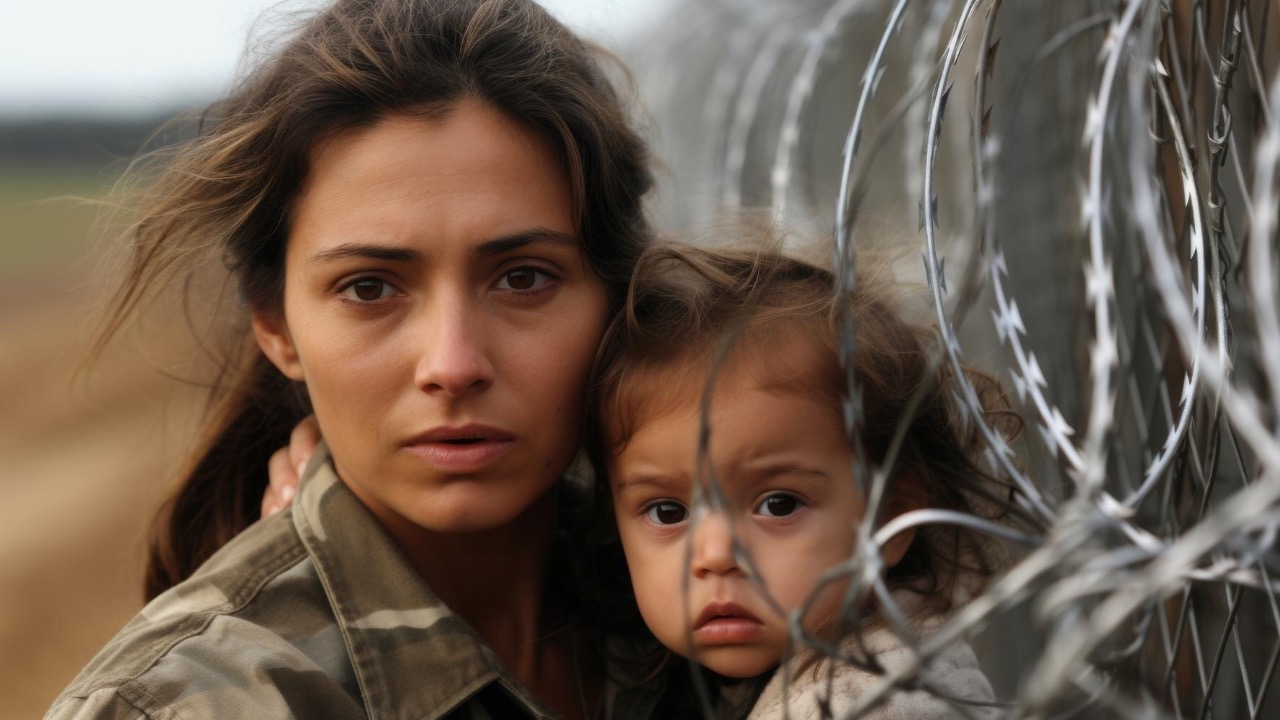
Migrant Family Sues U.S. After 6-Year-Old Dies Alone in Border Detention — New Details Emerge
The headline you shared points to a heartbreaking real event that unfolded at the southern border. An 8-year-old girl from Honduras named Anadith Danay Reyes Alvarez died in U.S. custody back in 2023 after her family crossed into Texas. Her parents filed a wrongful death lawsuit against the federal government just days ago, on April 10, 2026, in McAllen. That filing has brought fresh attention to what happened during her eight days in detention. Official reviews already called her death preventable, citing missed warnings about her health and repeated denials of hospital care. You look at cases like this and see how policy meets human reality in the starkest way possible.
How the Lawsuit Came About After Years of Waiting
The family waited nearly three years before taking this step in court. They first submitted an administrative claim last year that the government denied in October 2025. Now the lawsuit moves forward in federal court, seeking damages for the loss they endured without assigning a dollar figure upfront.
Her father, Rossel Reyes Martinez, put it plainly in a statement right before the filing. He said the suit honors his daughter so no other family faces the same agony. The parents live with the daily weight of what occurred, and the legal action aims to hold the system accountable for how it handled a vulnerable child in its care. Details emerging from the paperwork lay out the timeline and the gaps they say should never have existed.
The Little Girl at the Center of This Tragedy
Anadith carried a bright spirit even with serious medical needs. At eight years old she had already undergone heart surgery three years earlier for a congenital condition. Sickle cell anemia added another layer of risk that her family managed carefully back home in Honduras.
Her parents, Mabel Alvarez Benedicks and Rossel, decided the journey north offered a chance at stability and proper treatment. They crossed near Brownsville on May 9, 2023, expecting processing and help. Instead the next days tested everything they prepared for. Anadith’s conditions required close monitoring, yet the environment she entered left little room for that kind of attention.
The Perilous Journey That Brought Them Here
Families like theirs often travel for weeks or months facing dangers along the route. Once they reached U.S. soil the expectation shifts to orderly processing under Customs and Border Protection rules. The agency aims to move people through within 72 hours, but overcrowding that spring pushed many stays longer.
Anadith and her mother ended up at the Donna facility first, then transferred to Harlingen. Those locations became the setting for the critical days ahead. You hear accounts from border areas and realize how quickly routine intake can turn complicated when health factors enter the picture. The family had documents detailing her needs, but those papers did not receive the review they required.
Health Problems That Made Her Especially Vulnerable
Her heart condition and sickle cell anemia meant even a common illness could escalate fast. Doctors back home had stressed the importance of quick intervention for fever or pain. The family carried proof of her history precisely for situations like this.
Yet inside the facilities staff faced a surge of arrivals. Medical checks happened, but the system did not connect the dots on her specific risks. Symptoms started mild enough that initial responses stayed basic. That approach missed the window where her conditions demanded more aggressive steps. The mismatch between her needs and the care provided set the stage for what followed.
What Unfolded During Those Eight Days in Custody
Over the week-plus in detention Anadith developed flu-like symptoms that grew severe. High fever hit 104.9 degrees. She dealt with nausea, breathing trouble, headaches, and bone pain so intense she stopped walking. Eating became impossible because of a sore throat.
Facility staff offered saline, showers, and fever reducers. Her mother watched the decline hour by hour and kept pushing for outside medical help. The eight-day stretch stretched far beyond standard limits because of how crowded the sector had become. Those conditions left less margin for individualized attention, especially for a child whose body could not handle delays.
A Mother’s Repeated Calls for Urgent Care
Mabel Alvarez Benedicks stayed right beside her daughter the entire time. She showed the medical records again and again, explaining the heart history and sickle cell risks. Each time the response stayed the same. Officials described the pain as normal growing issues and kept treatment inside the station.
Requests for an ambulance or hospital transfer met repeated pushback. The mother described watching her child weaken while feeling powerless to force faster action. That back-and-forth continued until the situation left no choice. You can picture the exhaustion and fear in those conversations, where a parent fights for the one thing that might have changed the outcome.
The Devastating End No One Should Have to Witness
On May 17, 2023, Anadith’s body went limp while her mother held her. Blood appeared at her mouth and she lost consciousness right there in the Harlingen station. Only then did agents call for an ambulance. Paramedics found no vital signs by the time they reached the hospital. She was pronounced dead on arrival.
The family had crossed the border hoping for safety and opportunity. Instead the final moments played out under federal watch. Her mother has spoken since about the shock of seeing her daughter slip away despite every alert she tried to raise. Those details stay with anyone who reads the accounts, highlighting how quickly a medical emergency can close in when support falls short.
Findings That Point to Serious Lapses in Care
Independent reviews and internal CBP checks later confirmed what the family suspected. A court-appointed monitor described the death as clearly preventable after a series of staff and contractor failures. Documents offered by the mother were not properly reviewed. Monitoring of her deteriorating condition stayed inadequate.
The agency itself acknowledged gaps in how medical needs were handled during that period of high volume. An earlier investigation removed the chief medical officer and prompted policy reviews. The lawsuit now builds directly on those findings, arguing the lapses rose to the level of negligence. New paperwork from the filing adds context to how those breakdowns affected one specific child.
The Family’s Push for Justice in Court Now
With the lawsuit active the parents hope to secure answers and prevent repeats. They do not seek publicity for its own sake. Their focus remains on the memory of their daughter and the changes that could protect others. Mabel continues regular therapy to cope with the grief that still disrupts sleep and daily life.
Rossel’s public statement captured their shared resolve. The legal process will unfold in the months ahead, likely drawing more scrutiny to detention medical protocols. You see families turn to courts when other avenues close, and this case follows that pattern exactly. The filing keeps the conversation alive at a time when border numbers and oversight stay in the spotlight.

Asher was raised in the woods and on the water, and it shows. He’s logged more hours behind a rifle and under a heavy pack than most men twice his age.