JD Vance confirms Iran to receive $300bn in war damages under Trump deal
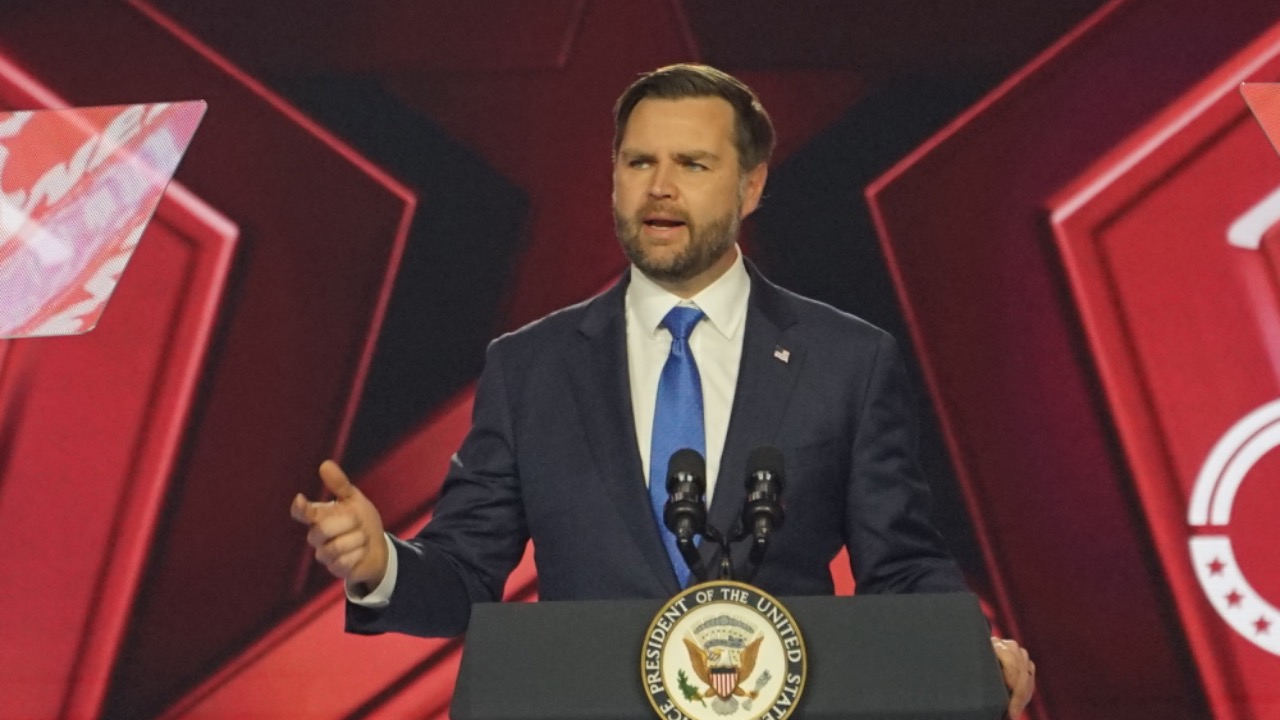
Vice President JD Vance addressed reports of a substantial reconstruction package for Iran as part of ongoing negotiations to formalize a peace agreement ending months of conflict. The discussions, which involve mediators from several countries, center on a memorandum of understanding that could reshape security dynamics in the Middle East. While details remain subject to final approval, the potential scale of economic support has drawn significant attention amid efforts to stabilize the region after widespread disruption.
The framework emerges from a period of intense military action that began earlier in the year, leading to heavy losses on multiple sides and global economic ripples, particularly in energy markets. U.S. officials have emphasized conditions attached to any benefits, while Iranian sources have highlighted expectations for rebuilding assistance.
Background of the U.S.-Iran Negotiations
Talks gained momentum following a ceasefire earlier this spring, with both sides seeking ways to prevent further escalation. The conflict had disrupted shipping through key waterways and strained international relations across the Gulf. Mediators played a central role in bridging gaps, focusing on immediate steps like reopening maritime routes and addressing longstanding security concerns.
Progress has been incremental, with working groups tackling technical issues such as verification mechanisms. Officials from the Trump administration have described the process as complex but necessary to secure long-term stability. Iranian representatives have pushed for commitments that would aid recovery from damage sustained during the fighting.
Vance’s Position on the Reconstruction Fund
In recent interviews, Vance acknowledged the possibility of Iran gaining access to around $300 billion in a reconstruction fund, provided the country meets its obligations under the agreement. He clarified that this would not involve direct transfers of U.S. taxpayer funds but rather a broader international effort tied to compliance.
Vance stressed that economic benefits would flow only after verifiable actions, such as steps related to Iran’s nuclear program. This stance aims to counter narratives suggesting unconditional payouts, framing the arrangement as performance-based rather than a straightforward compensation package. Critics have questioned the framing, while supporters see it as pragmatic diplomacy.
Key Elements of the Proposed Agreement
The draft memorandum reportedly includes provisions for a 60-day ceasefire extension, the reopening of the Strait of Hormuz to commercial traffic, and the lifting of the U.S. naval blockade on Iranian ports. Additional points address sanctions relief phased over time and limits on Iran’s nuclear activities.
Negotiators continue to refine language around enrichment levels and oversight. The deal also touches on broader regional de-escalation, including reduced support for proxy groups. Both Washington and Tehran have signaled interest in finalizing terms soon, though sticking points persist.
Reactions from U.S. Allies and Domestic Critics
Lawmakers like Senator Lindsey Graham have expressed reservations about large-scale funding for Iran while its current leadership remains in place. Some view the reconstruction concept as overly concessional given the recent hostilities.
International partners have mixed responses, with some Gulf states wary of empowering Iran economically. Energy markets reacted positively to news of potential stability, with oil prices easing. Analysts note that successful implementation could ease global supply concerns but warn of risks if commitments falter.
Potential Impact on Regional Stability
A finalized deal could mark a turning point after the intense fighting that displaced millions and caused significant infrastructure damage. Reopened shipping lanes would help restore energy flows critical to the world economy.
Longer-term questions remain about Iran’s nuclear ambitions and internal political shifts following leadership changes. The agreement’s success hinges on enforcement and mutual trust, areas where past efforts have often fallen short. Observers will watch closely as the signing date approaches.
This piece draws on verified developments up to the present. Further updates may adjust the picture as talks conclude.

Asher was raised in the woods and on the water, and it shows. He’s logged more hours behind a rifle and under a heavy pack than most men twice his age.