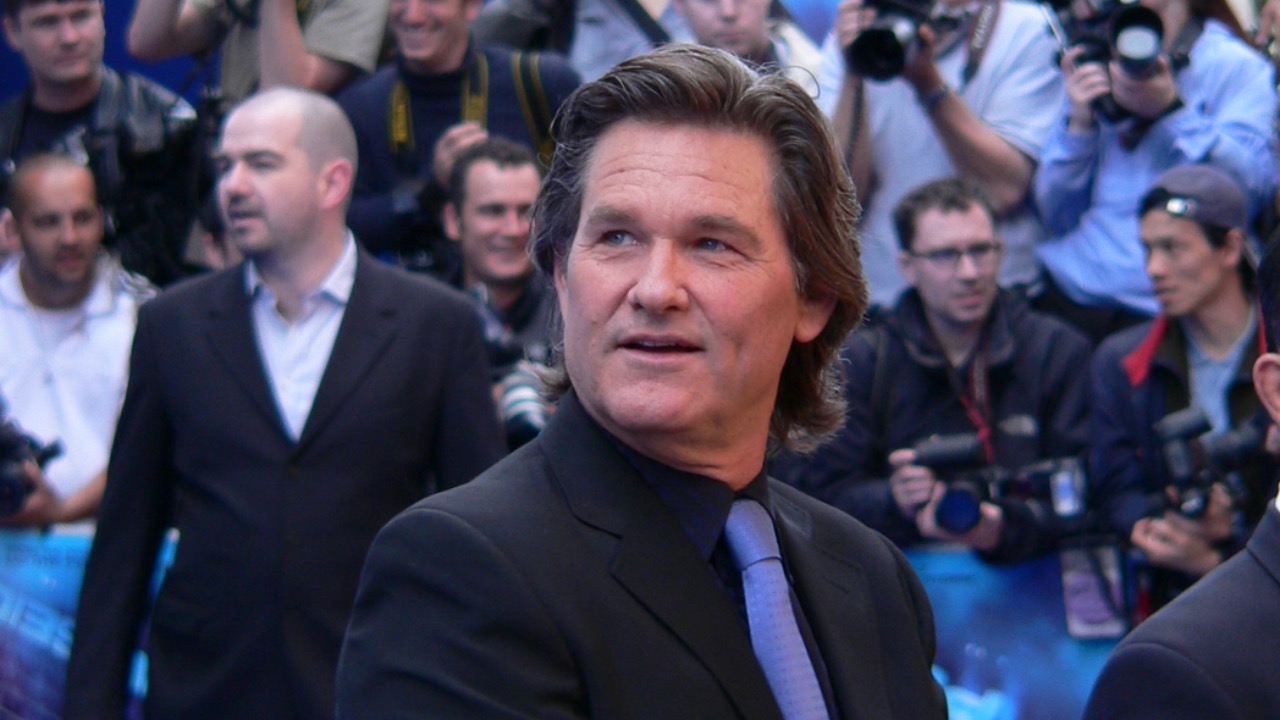
Kurt Russell stands firm on traditional hunting: “I make no apologies”
Kurt Russell is not backing away from a lifestyle choice that puts him at odds with a large segment of his audience. The veteran actor has made clear that he hunts and kills animals for food, considers that practice honorable when done responsibly, and says he makes no apologies for it. His stance has ignited fresh debate about celebrity influence, ethical hunting, and what “respect” for animals looks like in an era of industrial farming and viral outrage.
In a series of recent interviews, Russell has described hunting as part of his upbringing, a way of life rooted in wilderness skills rather than a hobby built on spectacle. He insists there is “no pleasure in the taking of a life” and frames each animal he shoots as “gonna be your dinner meal,” a stark contrast with the sanitized distance many people have from the meat they buy at the supermarket. That contrast, and his refusal to soften his language, is exactly what has made his comments so polarizing.
From Hollywood soundstage to hunting ground
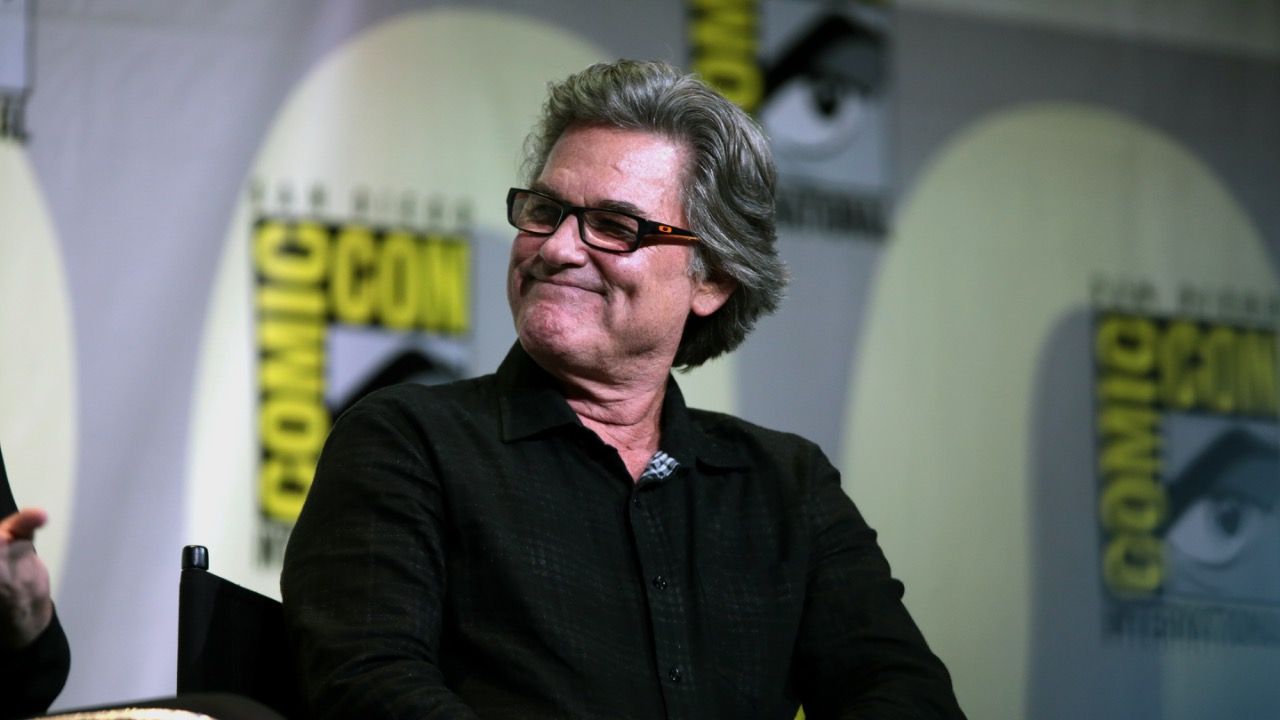
Kurt Russell has spent decades as a familiar face in American film, from early Disney projects to modern action franchises, yet he has always cultivated an image that leans closer to ranch country than red carpet. Biographical profiles describe how he and Goldie Hawn built a family life that included time in places like Vancouver, British Columbia, and Snowmass Village in Colora, settings that fit the wilderness persona he now brings into public conversations about hunting.
Russell and Goldie Hawn have a son, Wyatt Russell, who has followed his parents into acting and professional sports. References to Wyatt Russell and the family’s homes in Vancouver, British Columbia and Snowmass Village in Colora often appear alongside descriptions of Kurt’s affinity for the outdoors, suggesting that the family’s geography has long been intertwined with mountains, forests, and the kind of terrain where hunting is part of local culture rather than a political statement. Those details help explain why Russell presents his views less as a new provocation and more as a continuation of how he was raised.
In public conversations, Russell frequently places himself in a lineage of people who learned to live with the land. That framing sets up his current remarks about hunting as an extension of a wilderness identity, not a late-career rebrand. To his supporters, that background lends authenticity. To critics, it does not erase the discomfort of hearing a Hollywood star talk bluntly about killing animals.
“I make no apologies”: how Russell defends his hunting
Russell’s latest comments arrived in a cluster of interviews where he addressed his hunting habits head on. In one widely circulated conversation, he was asked directly how he feels about killing animals. He responded, “Well, I thank them for their service,” a line that he delivered without irony. He then explained that for him there is “no pleasure in the taking of a life,” but that he still believes there is “great pleasure and honor” in hunting animals for food. That pairing of gratitude and gravity is central to his argument.
When pressed on whether the backlash bothers him, Russell has been explicit. He has said, “I make no apologies,” and has repeated that he will not apologize for a traditional hunting style that he believes is grounded in respect. In one account of his remarks, he describes how he was raised to understand that if an animal is “gonna be your dinner meal,” then the hunter has a responsibility to use the meat and not waste what has been taken. That language appears in coverage that quotes him saying he “won’t apologise” for a lifestyle choice some viewers consider controversial, a stance summarized in reports that Kurt Russell “makes no apologies” for his approach.
One detailed summary of his comments notes that Kurt Russell Defends Hunting and Killing Animals for Food and attaches his quote “I Make No Apologies” to that defense. Another cites him emphasizing that there is “no pleasure in the taking of a life” even as he stands by the act of hunting itself. In each version, the pattern is consistent: he acknowledges the weight of killing, insists that the animal’s life must be honored through responsible use of the meat, and refuses to distance himself from the practice to appease critics.
Russell’s language is also deliberately traditional. He speaks of “game” rather than generic “animals,” and he describes hunting as a skill that ties people to the land. In one older interview, he summarized his identity in a simple phrase: “I hunt game.” That same conversation linked his hunting to his broader support for gun rights, but in his more recent remarks he has tried to keep the focus on food and respect rather than politics.
The Aspen conversation and a life built around the wilderness
The most detailed recent description of Russell’s stance comes from coverage of an appearance in Aspen, Colorado, where he spoke about what one report called his traditional hunting lifestyle. In that account, the veteran actor is quoted as saying there is “great pleasure and honor” in hunting animals for food, but he stresses again that this pleasure is not in the killing itself. Instead, he frames it as satisfaction in knowing how to provide for oneself and one’s family in a direct way.
One report headlined Kurt Russell Defends Traditional Hunting Lifestyle describes how he positioned his experience as increasingly distant from the daily lives of most people. The report notes that the veteran actor says there is “great pleasure and honor” in hunting animals for food, and that this way of living is outside the experience of most people today. Another version of that Aspen coverage, which includes a “Got story updates? Submit your updates” prompt, repeats that he sees meaning in hunting animals for food and suggests that his wilderness roots are part of what sets him apart inside the entertainment industry.
In Aspen, Russell’s comments were framed as part of a broader conversation about work, family, and the difference between Hollywood life and time in the mountains. He emphasized that, for him, hunting is not a weekend novelty but part of a longer story that includes learning to track, handle firearms safely, and process meat. The Aspen setting itself, a city that blends luxury tourism with deep outdoor culture, served as a fitting backdrop for an actor who has long tried to straddle those worlds.
That Aspen coverage also connects to a wider ecosystem of local engagement. Links from the story point readers to a Facebook page for National Today and to accounts on platforms such as X.com, where updates from Aspen and other communities circulate quickly. Forms tied to the Aspen report invite people to “Update Existing Story” or “Upload Story Photos” related to Kurt Russell Defends Traditional Hunting Lifestyle, suggesting that his remarks have become part of a live conversation in that region rather than a one-day headline that fades.
“Thank them for their service”: Russell’s moral vocabulary
Russell’s choice of words when he describes animals is one of the most striking aspects of his defense. When asked if he feels bad about killing animals, he replied, “Well, I thank them for their service.” That phrase, most often used for military or first responders, is jarring in the context of hunting. It signals that he sees the animal as having given something of value and that the hunter owes a kind of ritual respect in return.
In the same exchange, he added that “by the way, there’s no pleasure in the taking of a life.” By the end of that conversation he had repeated that he makes no apologies, tying his moral vocabulary to a firm refusal to recant. Coverage of that interview, which appears in a Yahoo Entertainment link that has been widely shared, highlights his insistence that the animal’s death is not entertainment but a serious moment that must be matched with gratitude and full use of the meat.
Russell’s language contrasts sharply with images of trophy hunting that have angered the public in recent years, such as photos of exotic animals killed for sport. He does not talk about antlers on a wall or social media bragging rights. Instead, he talks about dinner. He frames each hunt as a transaction in which the animal becomes food, and the hunter’s obligation is to recognize that cost. Critics argue that no amount of gratitude changes the fact that the animal is dead. Supporters counter that his rhetoric at least acknowledges the gravity of the act, which is more than can be said for many consumers who buy meat without ever thinking about slaughterhouses.
In another account of his remarks, Russell is described as saying that knowledge of where food comes from can be “a bit upsetting” for people who have never seen an animal killed. That observation helps explain why his comments have generated such strong reactions. For many viewers, the idea of thanking an animal for its service while also killing it is a contradiction. For Russell, it is precisely that tension that defines ethical hunting.
Family ties: Wyatt Russell and a shared wilderness ethic
Russell’s comments about hunting do not exist in a vacuum. They are part of a larger family narrative that includes his partner Goldie Hawn and their son Wyatt Russell. Wyatt Russell, born July 10, 1986, has his own public profile as an actor and former professional hockey player. The family’s homes in Vancouver, British Columbia and Snowmass Village in Colora appear in biographical entries that also mention Kurt’s libertarian leanings and skepticism about gun control as a tool against terrorism.
In some recent coverage, Kurt Russell and his son have appeared together to talk about what they learned working side by side, including in outdoor settings. One report that mentions Kurt Russell and his son sharing what they learned also references COUNTRY STAR RILEY GREEN, who contrasted fame with more grounded “reality.” In that context, Russell’s hunting lifestyle is presented as part of a broader push to stay rooted in something tangible, such as wilderness skills, rather than drifting entirely into celebrity abstraction.
Although the sources do not detail specific hunts with Wyatt Russell, the repeated pairing of father and son in stories about work, wilderness, and authenticity suggests that Kurt sees hunting not just as personal sustenance but as a tradition he wants to pass down. That generational dimension adds another layer to the debate. Critics worry about normalizing killing animals for sport in younger generations. Russell frames it as teaching responsibility, safety, and respect for food sources.
Gun politics, “The View,” and a long record of 2A support
Russell’s defense of hunting is easier to understand when placed alongside his long record of support for gun rights. In a widely shared clip from Dec that circulated on Facebook, he appeared on The View and was asked about gun control. The segment, titled Kurt Russell on gun control, captured him arguing that gun control laws would not deter terrorists. That stance drew significant attention and helped cement his public image as a libertarian voice inside Hollywood.
Later that same month, another report described how Kurt Russell Triples Down On 2A Support. It noted that following recent pro gun statements in an interview and on The View, actor Kurt Rus continued to defend the Second Amendment. The piece quoted him saying, “I hunt game,” a straightforward declaration that tied his political position to his personal lifestyle. His point was that firearms are not just abstract symbols of rights, but tools he uses in the field.
Those earlier comments now form a backdrop for his current remarks about hunting. When he says he makes no apologies for killing animals for food, he is speaking as someone who has already weathered controversy over gun politics. His critics see a consistent pattern: a man who resists regulation and embraces a rugged individualist identity. His supporters see a rare Hollywood figure who does not retreat when confronted with backlash.
Russell’s Wikipedia entry explicitly labels him a libertarian and notes that he has argued gun control will not reduce terrorism. That ideological stance informs how he talks about personal responsibility and the role of the state. In his view, ethical hunting is a matter of individual conscience and skill, not something that should be micromanaged by distant authorities. That argument resonates strongly in some parts of the United States and clashes with urban sensibilities in others.
“Controversial lifestyle choice”: how the backlash has formed
As soon as Russell’s latest comments began circulating, critics framed his hunting as a “controversial lifestyle choice.” One syndicated report, attributed to Bang Showbiz March, used that phrase while recounting his insistence that he “won’t apologise” for killing animals that are “gonna be your dinner meal.” That same piece, which appears on a site that syndicates entertainment content, repeats that Kurt Russell “makes no apologies” and highlights the disconnect between his stance and the expectations some fans have of their favorite actors.
Another summary of his remarks, which carries the label Key Points, lists Kurt Russell’s defense of hunting for food, his claim that he was raised with respect for animals, and his quote that “There’s no pleasure in the taking of a life, but I make no apologies.” That bullet-point treatment underlines how his stance is being digested into shareable talking points, each of which can be praised or condemned in isolation on social media.
On platforms like Twitter, Facebook, and Pinterest, links to the story about how Kurt Russell “makes no apologies” have been shared through widgets that invite users to tweet, pin, or post the article. One URL, for example, leads to a Twitter intent page that preloads the text “Kurt Russell ‘makes no apologies’ for controversial lifestyle choice” alongside a link to the story. Another creates a Pinterest button tied to an article image. These tools make it easy for criticism or support to spread quickly, often stripped of the context that Russell insists on when he speaks at length.
The backlash has focused on several themes. Animal rights advocates argue that killing animals for food is unnecessary given the availability of plant-based diets and modern agriculture. Some fans express disappointment that an actor they admired for his roles in films is now associated with graphic talk about killing. Others question his use of phrases like “thank them for their service,” which they see as trivializing both military service and animal suffering.
Supporters, rural culture, and the ethics of eating meat
At the same time, Russell has found vocal support among hunters, rural residents, and people who see a double standard in how society treats different forms of animal killing. Supporters point out that industrial meat production involves large scale slaughter that is often hidden from view, while a hunter like Russell at least confronts the reality of killing directly. They argue that if people are comfortable buying packaged chicken or beef, they should not single out a hunter who eats what he kills.
Some of that support surfaces in comment sections and social media threads linked from the original stories. A Facebook share link for the article about Kurt Russell “makes no apologies” invites users to post the story on their own timelines, where friends can weigh in. A LinkedIn share link frames the same piece as a topic for professional discussion, using the title “Kurt Russell ‘makes no apologies’ for controversial lifestyle choice” and linking back to the original article. These channels have produced a mix of praise and criticism, but among hunters and rural readers the praise often focuses on his emphasis on food rather than trophies.
Ethically, Russell’s defense aligns with a long-standing argument in favor of subsistence or traditional hunting. That argument holds that killing an animal for food, when done quickly and with minimal suffering, can be more humane than buying meat from industrial systems that keep animals in confined conditions. Russell’s comments about “no pleasure in the taking of a life” and his insistence on using the meat echo that line of thinking.
Critics counter that the availability of alternatives weakens the subsistence argument, especially for a wealthy actor who can easily afford other food. They also question whether his hunts are always strictly about food or whether elements of sport and recreation are involved. The sources available do not provide detailed logs of his hunting practices, so those questions remain matters of interpretation. Unverified based on available sources.
Podcast reflections and a career of speaking his mind
Russell’s recent remarks on hunting have also intersected with conversations about his film career. One report notes that Kurt Russell regrets how one of his best western movies handled certain themes, and that in the same period he defended his love for hunting during a podcast appearance. In that podcast, he reportedly reiterated that he sees hunting as part of who he is, not a phase or a publicity stunt.
That willingness to speak bluntly has marked other moments in his career. When he appeared on The View and argued that gun control would not reduce terrorism, he did so knowing that the audience might disagree sharply. When he told an interviewer “I hunt game,” he did not soften the phrase for urban sensibilities. His current line, “I make no apologies,” fits that pattern.

Leo’s been tracking game and tuning gear since he could stand upright. He’s sharp, driven, and knows how to keep things running when conditions turn.