Rifles hunters buy reluctantly — then never sell
Some rifles walk into a hunter’s life almost by accident, bought on sale or traded in a hurry, and then quietly prove themselves so well that they never leave the rack again. The pattern shows up in campfire stories and online threads alike: a gun someone picked up reluctantly becomes the one rifle they refuse to sell, even when money gets tight or newer gear comes along. When you look closely at those stories, you start to see the same themes repeat, from family history to hard-earned confidence in the field.
I have watched hunters kick themselves for letting certain rifles go, and I have watched others hang on to plain, unfashionable guns that simply work every time. The rifles that stick are not always pretty or expensive, but they tend to share a few traits: they shoot straight, they carry memories, and they hold value in ways that do not show up on a spec sheet.
Why “regret rifles” matter more than the latest catalog star
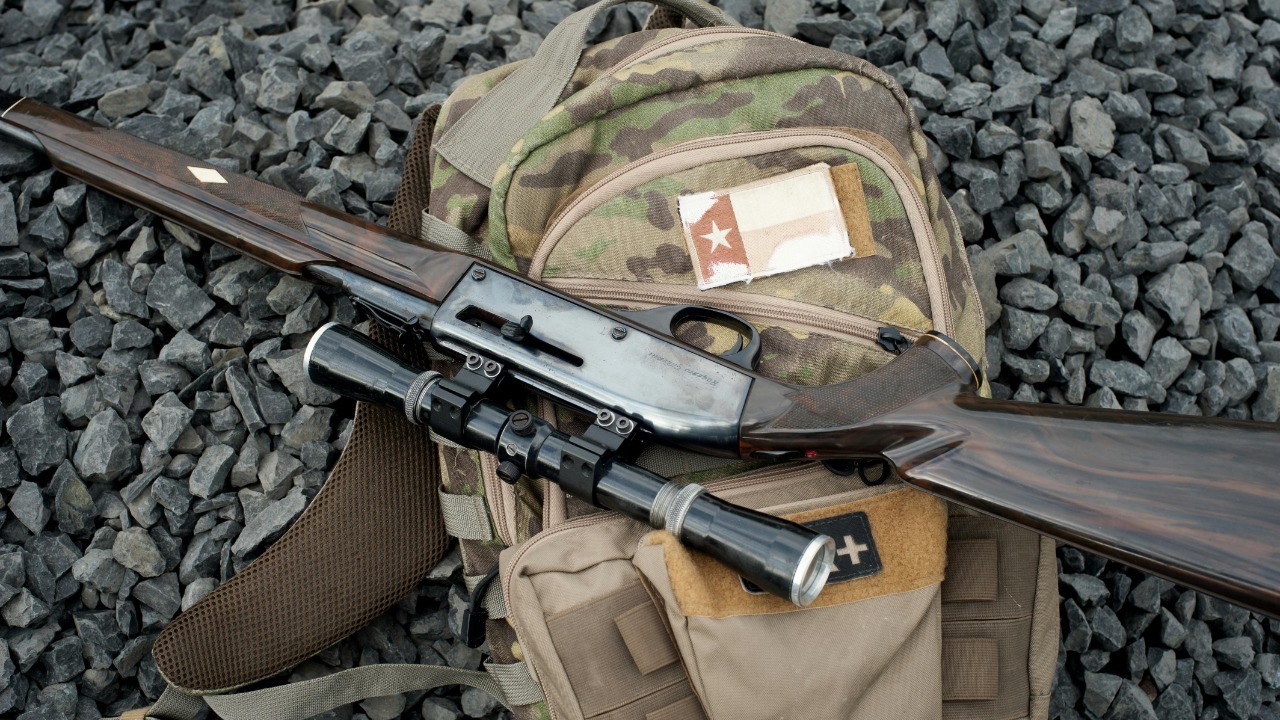
Every hunter I know can name at least one gun they wish they had back, and that regret shapes how they look at the rifles still in their safes. One widely shared roundup of rifles hunters miss the most opens with the blunt line that Every hunter has at least one rifle they regret selling, and that tracks with what I hear in deer camps from Maine to Montana. Maybe it was a hand-me-down that connected them to a grandfather, maybe it was a budget rifle that somehow shot like a custom, but once it is gone, the hole it leaves is bigger than the dollar value.
Those stories matter because they quietly influence buying decisions. When a hunter has already lived through selling a favorite rifle and feeling that sting, they get a lot more cautious about what leaves the safe. I see people hesitate over the trade counter, remembering the one that got away, and that hesitation is often what saves a plain old .30-06 or .270 from being swapped for the latest short magnum. The rifles that survive those moments of temptation, the ones a hunter cannot bring themselves to part with, are the rifles that define a career in the woods.
The plain rifles that earn permanent spots in the safe
Some of the most beloved rifles start life as store-brand afterthoughts. In one candid interview, a veteran shooter described the best shooting and most reliable rifle he ever owned as a plain Jane Ted Williams rifle sold by Sears, chambered in .30-06 with iron sights. That is about as unglamorous as it gets, yet he ranked it above fancier brands he had owned, including a Remington model that should have outclassed it on paper. When a rifle like that feeds, fires, and hits where it is pointed year after year, the owner stops caring what the rollmark says.
I have seen the same thing with beat-up bolt guns that ride in truck racks and get loaned to new hunters. They might have plastic stocks and scuffed bluing, but they print tight groups and drop deer cleanly. Once a rifle proves it will not quit in the rain, in the cold, or after a season of neglect, it becomes part of the household. Those are the guns that never make it to the classifieds, because the owner knows they would spend twice as much trying to replace what that “cheap” rifle actually does for them.
Trades made in haste, and the rifles that haunt you
On the flip side, some rifles leave the safe for reasons that have nothing to do with performance. One hunter described how Today he traded a Savage 116 FXP3, a stainless synthetic rifle that repeatedly shot sub-MOA groups with multiple handloads, for a stainless Ruger 10/22 with a threaded barrel. On paper, that is a fair trade between two useful guns, but anyone who has ever had a truly accurate centerfire knows how rare it is to find one that shoots almost anything well. Letting a rifle like that go often becomes a long-term regret.
Another hunter on a North Carolina forum admitted that the gun he misses most is a JM Marlin 336 in 30/30, a barely shot “safe queen” he sold when he was 18 and needed gas money. He joked that he regretted selling “Every gun ive ever sold lol,” but singled that lever gun out as the worst mistake, posting under the handle Eight Pointer. Those kinds of stories are why I tell younger hunters to think hard before they trade away a rifle that shoots well, especially for short-term cash or a passing urge for something new.
Family rifles that are never really “yours” to sell
Some rifles are effectively off the market the moment they enter a family. One father described how his son handed him a Browning 7 mag Safari rifle and said happy Father’s Day. That gun is more than a 7 mm magnum with nice wood, it is a physical reminder of a moment between a father and his grown child. Selling it would feel like pawning a family photo album. I have seen similar bonds form around old .22s that taught three generations to shoot, or around a battered pump gun that has been in every family deer camp picture for decades.
Another hunter recalled how his dad taught him a lesson when he handed him a Smith & Wesson, a moment that stuck with him long after his father had passed. The man noted that his dad “passed long ago, but the gun remains a prized possession,” and that line captures why heirloom rifles rarely hit the market. When a firearm carries a parent’s handwriting on the stock, or the memory of a first deer together, it stops being a tool and becomes part of the family story. You might thin the herd of other rifles, but those heirlooms stay put.
Old military and classic rifles that quietly climb in value
Beyond sentiment, some rifles become keepers because the market keeps rewarding patience. Recent pricing data on Collectible Military Gun shows that M1 Garands, K98 rifles, and combat shotguns have all seen their values rise dramatically. Hunters who held on to those rifles, sometimes bought cheaply when surplus was plentiful, now find themselves sitting on serious equity. The same report notes that certain classic sporting rifles have moved from “shooter” status into the collector category, and that shift makes owners think twice before letting them go.
For many, the decision to keep an old service rifle or a walnut-stocked bolt gun is a mix of nostalgia and math. They remember a time when those guns were stacked in barrels at hardware stores, and they see current prices that would have seemed crazy back then. When someone like Lon explains how values have climbed, it reinforces what many hunters already feel in their gut: selling a classic rifle today might mean paying a painful premium to replace it tomorrow, if you can replace it at all.
Rifles that hold their value, and why that changes your mindset
Some guns are hard to sell simply because they are such safe places to park money. Analysts who track which firearms preserve value best point out that certain brands and configurations consistently bring strong prices on the secondary market, even after years of use. A recent breakdown of which guns hold their value highlights how quality manufacturing, limited production runs, and strong brand loyalty all play into long-term pricing. When a hunter knows a rifle is likely to be worth as much or more in ten years, the urge to cash out fades.
That financial stability changes how a rifle feels in the safe. Instead of being a depreciating toy, it becomes a kind of savings account that you can also take into the woods. I have talked to hunters who keep a short list of “never sell” rifles based partly on that logic: a pre-64 bolt gun, a high-grade lever action, a well-known European brand. They may rotate through cheaper rifles for experiments or specific hunts, but those core guns stay put because they anchor both their hunting kit and their long-term value.
Custom builds, high-end rigs, and the rifles that become projects
There is another category of rifle that rarely leaves its owner, and that is the gun someone has poured time and money into customizing. On one Canadian forum, a seasoned shooter summed up the appeal of high-end factory rifles versus custom builds by saying that All he would add to the debate is that the journey of building and tuning a rifle can be as much fun as the final destination. Once you have trued an action, bedded a stock, and worked up a perfect handload, that rifle feels like a personal project, not a commodity.
One predator hunter described buying a FN Mauser in 6AI from a friend, only to find out the barrel was toast. Instead of flipping it, he went cheap and bought an ER Shaw barrel and chambered it properly. After the work, the rifle shot so well that he said someone would have to offer him “something crazy stupid nice” to pry it away. That is a common pattern: once a rifle has been rebuilt to fit a shooter’s shoulder and style, it stops being a candidate for sale and becomes part of their identity on the range and in the field.
The “never again” list: rifles sold once, then guarded for life
Some hunters learn the hard way which rifles they should have kept, then spend years trying to rebuild that lost lineup. One shooter on a precision forum listed a Remington Varmint wood stocked 700 BDL in .222 in Mint condition, along with a American Made Weatherby .22 and another American Made rifle that he let go. He later watched similar examples bring bidding wars online, with buyers on GB fighting over them. After seeing that, he vowed not to repeat the mistake with the rifles he still owned.
Another shooter recalled being 20 years old in 1974 when he bought his first Weatherby rifle in .300 WM, a gun he described as “special” for reasons that went beyond the cartridge. He eventually sold it, then spent years regretting the decision, summing it up with a simple line: “But I was a kid!” That kind of hindsight is powerful. Once a hunter has lived through selling a rifle that meant something, they tend to build a mental “never again” list, and any rifle that makes that list is effectively off the market for good.
Performance, confidence, and the rifles that make you a better hunter
Underneath all the nostalgia and market talk, the rifles that never get sold usually share one core trait: they help their owners hunt better. Guides who coach new hunters often point out that good equipment is expensive, and that But it seems that all of the weapons serious hunters rely on have that in common. A rifle that fits well, carries comfortably, and hits where you aim builds confidence, and confidence leads to better shot selection and cleaner kills. Once a hunter finds a rifle that does that for them, they are reluctant to give it up, even if it is not the newest model on the rack.
Lists of “essential” firearms for serious shooters often include classic bolt guns, lever actions, and semi-autos that have proven themselves over decades. One rundown of essential firearms notes that these rifles earn their place through remarkable features, storied pasts, and unique characteristics that make them hard to replace. When a hunter has carried the same rifle through a string of successful seasons, that history becomes part of their decision making. They know exactly how it will recoil from a rushed field position, how the safety feels with gloves on, and where the bullet will land at practical ranges. That familiarity is worth more than whatever trade-in value the rifle might bring.

Leo’s been tracking game and tuning gear since he could stand upright. He’s sharp, driven, and knows how to keep things running when conditions turn.