Mitch McConnell Accuses Pentagon of Sitting on $400m Ukraine Aid as Kyiv Battles On
You follow Washington debates on foreign aid long enough to notice patterns. Congress passes funding after tough negotiations, the executive branch signs it, and then implementation hits snags that no one quite explains. Right now, former Senate Republican leader Mitch McConnell has stepped forward to call out one such delay. In a recent opinion piece, he highlighted roughly $400 million in military assistance for Ukraine that lawmakers authorized months ago and fully funded for fiscal 2026. The money sits at the Pentagon, he says, while Ukrainian forces continue to face Russian advances. McConnell, who chairs the Senate Defense Appropriations Subcommittee, points to a lack of clear answers from defense officials when senators ask for updates.
This situation arrives at a moment when Ukraine’s defense absorbs daily pressure along multiple fronts. McConnell frames the aid not as charity but as a practical investment in checking Russian aggression that could otherwise test American interests elsewhere. His public criticism underscores ongoing tensions inside the administration over how quickly to move approved weapons and support.
Congress Moves Forward with Funding
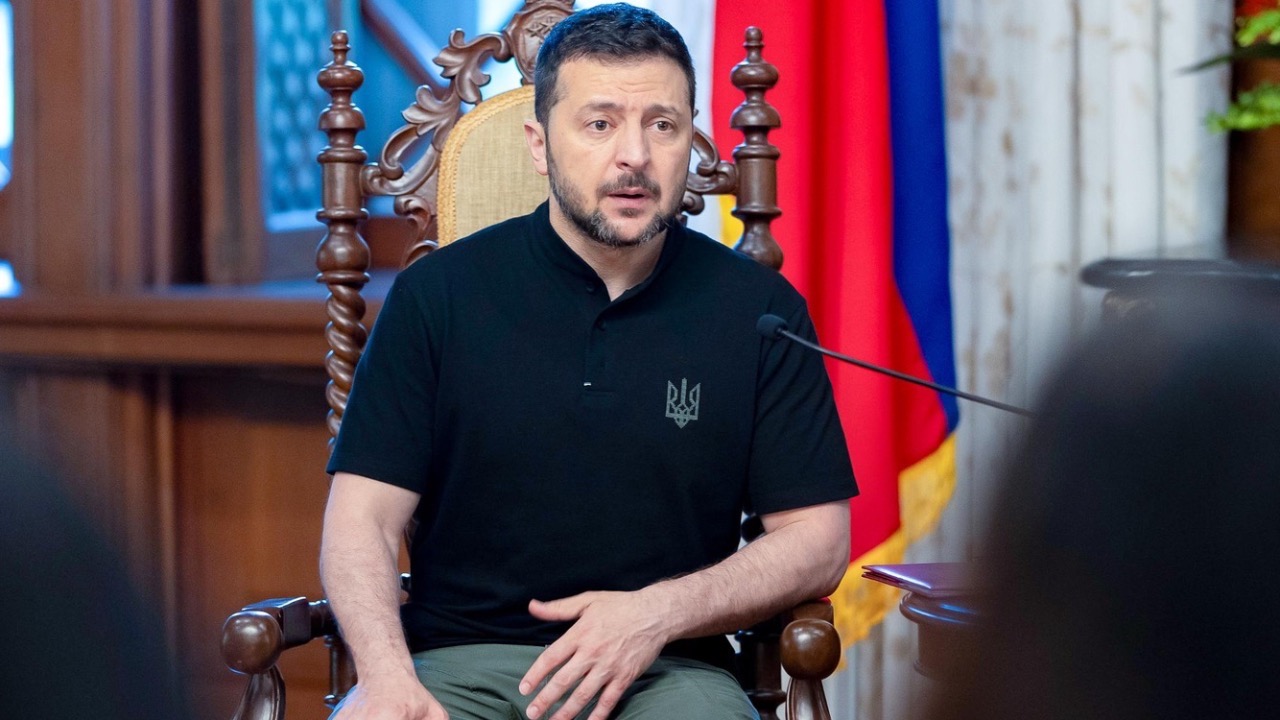
Lawmakers from both parties worked through the appropriations process last year to set aside resources specifically for the Ukraine Security Assistance Initiative. Republican majorities on the armed services committees backed $400 million annually for two years, and appropriators followed through with the money in the fiscal 2026 cycle. The goal centered on helping Kyiv obtain needed military capabilities without creating new long-term U.S. obligations.
You see this approach reflected in how previous packages operated. Funds allow the Pentagon to draw from existing stocks or order replacements while training partners on systems. McConnell notes that the process enjoyed broad support at the time. Yet months later the obligation of those dollars has not moved at the expected pace, prompting his direct questions to defense leadership.
McConnell Takes a Strong Stance
As chair of the key defense spending panel, McConnell has long tracked these accounts closely. His recent comments single out the policy office at the Pentagon, led by Undersecretary Elbridge Colby, for what he describes as stonewalling inquiries from Senate appropriators. He argues the holdup contradicts the clear direction Congress provided when it passed and the president signed the legislation.
McConnell draws on decades of experience shaping national security policy. He emphasizes that delays send mixed signals at a time when allies watch U.S. reliability. His intervention keeps the issue visible even as other global developments compete for attention in Washington and Kyiv.
Ukraine Faces Ongoing Pressure
Kyiv’s military contends with Russian forces pressing in the east and using drones and missiles against infrastructure. Ukrainian officials have repeatedly stressed the difference timely ammunition and air defense systems can make in holding defensive lines and protecting civilians. The $400 million in question forms part of a larger pattern of incremental U.S. support that supplements European contributions.
You look at battlefield reports and notice how small shifts in supply can affect momentum. Ukrainian troops have adapted with innovative drone tactics and Western equipment, but sustained fighting drains stocks quickly. McConnell’s push highlights the human stakes behind bureaucratic timelines.
Questions About Pentagon Decision-Making
The Defense Department has not publicly detailed reasons for the pace of this particular package. McConnell reports that attempts by Senate staff to obtain explanations from policy officials met limited response. This friction raises standard oversight issues about how executive agencies execute congressional intent on security assistance.
Broader conversations inside the Pentagon involve competing global priorities, including operations elsewhere. Lawmakers like McConnell want assurance that approved Ukraine funding receives the attention Congress intended rather than indefinite review. Transparency on timelines would help resolve uncertainty.
Security Benefits for the United States
Supporters of the aid point to lessons the U.S. military gains by observing Ukrainian operations against Russian equipment. Data on drone warfare, electronic jamming, and combined arms tactics inform American training and procurement. McConnell describes the relationship as mutual: helping Ukraine resist invasion also sharpens U.S. capabilities for potential future conflicts.
You consider long-term strategy and see why many in Congress view consistent support as prudent. A Russia that faces fewer costs in Ukraine might pursue more assertive moves toward NATO borders. The authorized funds aim to raise those costs without direct American combat involvement.
Tensions Inside the Administration
Differences over Ukraine policy have surfaced at various levels since the current administration took office. McConnell’s critique targets what he sees as excessive caution from certain Pentagon civilians. He contrasts this with earlier congressional action that reflected wide agreement on providing the tools for Ukrainian self-defense.
These internal debates mirror larger Washington discussions about America’s role abroad. McConnell continues advocating for the approach he helped build over years, arguing that strategic patience with allies yields better outcomes than abrupt shifts.
What Comes Next for the Aid
Senate appropriators and defense officials will likely continue exchanges on the $400 million. McConnell’s public letter puts pressure on the Pentagon to explain its timeline or adjust course. Ukrainian needs remain urgent, and lawmakers expect the funds Congress approved to reach their intended purpose.
You watch these developments knowing how aid pipelines work in practice. Once obligated, deliveries can accelerate. The coming weeks may clarify whether the current pause reflects routine review or a deeper policy choice.

Asher was raised in the woods and on the water, and it shows. He’s logged more hours behind a rifle and under a heavy pack than most men twice his age.