Why strength matters more than most tactical upgrades
For anyone who carries a weapon, wears a badge, or steps onto a mat, the temptation to chase new gadgets and clever tactics is constant. Yet across combat sports, law enforcement, and military work, the factor that most reliably changes outcomes is not the latest upgrade but raw, well-trained strength. When the load is heavy, the heart rate is spiking, and the plan is falling apart, the stronger athlete usually dictates what happens next.
Strength does more than move weight. It lowers the cost of every task, protects joints and connective tissue, and gives tactical professionals and fighters a bigger margin for error when technique or planning breaks down. Many coaches now argue that building serious strength belongs ahead of almost any tactical or technical upgrade on the priority list.
Strength as the base layer of tactical performance
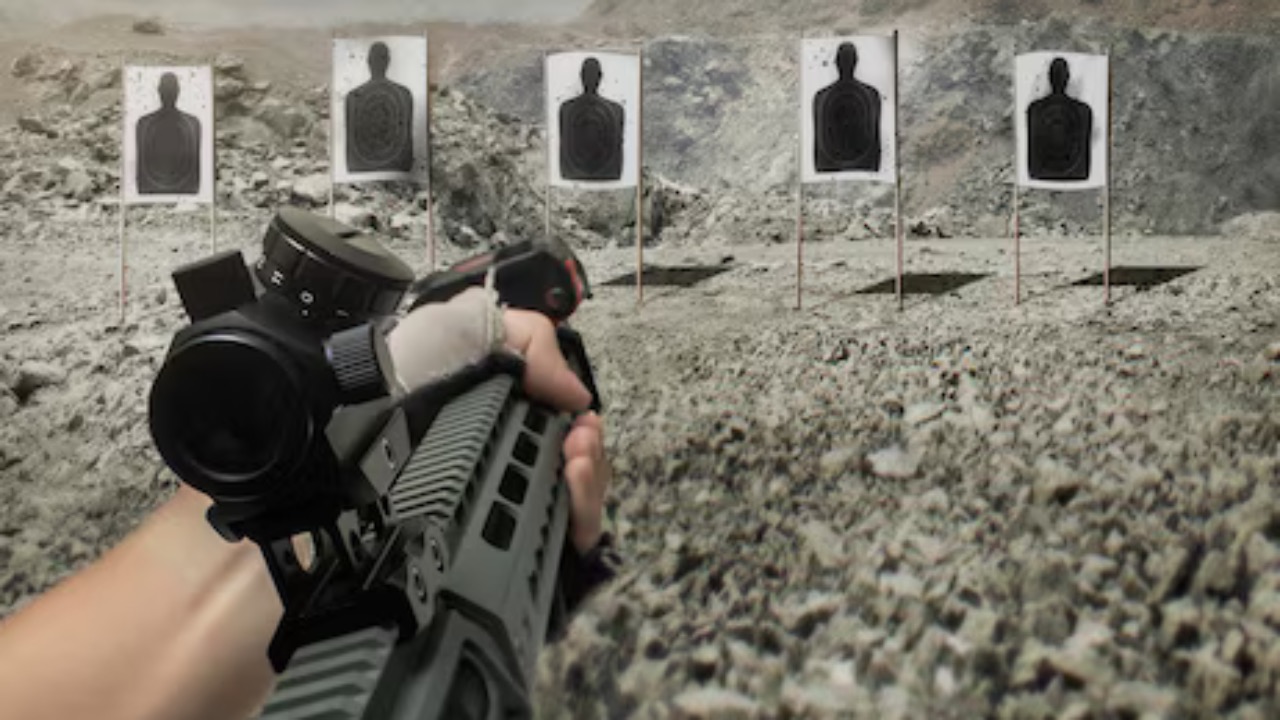
For tactical professionals, strength is not a cosmetic goal; it is the physical infrastructure that makes all other skills usable under stress. Guidance on Building Strength for describes how structured lifting prepares law enforcement and military personnel to drag casualties, fight for weapons, and stay functional in body armor, while also reducing the risk of injury during physically demanding operations. Without that base, even simple tasks like climbing stairs with a breaching kit or stabilizing a rifle after a sprint can push an operator into the red zone where decision-making and fine motor skills fall apart.
Research on tactical preparation also links strength work to better conditioning rather than treating the two as separate silos. Military-focused material on Training Enhances Aerobic notes that proper strength and conditioning, including high-intensity interval training, improves aerobic resilience so that long movements, repeated sprints, and load carriage become less taxing. In other words, a stronger soldier or officer does not just hit harder or lift more; that person burns less energy for each submaximal effort and arrives at the moment of decision less depleted and more capable of using whatever tactics the mission requires.
The “strength buffer” and why gear cannot replace it
Coaches who work daily with soldiers, firefighters, and mountain guides increasingly talk about a “buffer” created by higher strength levels. In an analysis labeled Early, one tactical coach explains that he initially relied on general fitness and work capacity, only to see athletes break down when real-world impacts, awkward loads, and fatigue stacked up. As he pushed their max strength higher, the same tasks represented a smaller percentage of their capacity, so landings, rucks, and awkward carries produced less joint stress and fewer injuries. That strength buffer is what keeps a 60 kilogram firefighter from being overwhelmed when a partner goes limp on the stairwell or a breacher has to hold a ram at shoulder height longer than planned.
No amount of new equipment can create that margin on its own. Even high-quality Tactical Vests, which they describe as using ceramic plates that can withstand high caliber rounds, simply add weight and bulk that the body must support. New Tactical Gear often arrives with cons that include a higher price tag and designs that are sometimes Overbuilt or gimmicky, which can make movement harder instead of easier. Without underlying strength, an operator can end up slower, less stable, and more fatigued, even while technically “upgrading” gear.
Relative strength beats minor tactical tweaks
Among coaches who specialize in tactical athletes, the concept of relative strength, how strong someone is compared with body weight, has become a key standard. A detailed explanation on Defining Relative Strength argues that despite what shirtless tactical influencers model, operators are not powerlifters and do not need extreme one-rep max numbers. Instead, they need enough strength to move their own body and occupational loads repeatedly, climb, sprint, and fight without each action representing a near maximal effort. When relative strength is high, every tactical drill, from room clearing to ladder work, becomes less expensive in energy and easier to execute cleanly.
Endurance-focused research points in the same direction. Guidance for distance runners and cyclists notes that Endurancesports often involve prolonged submaximal effort, yet greater maximal strength reduces the relative intensity of those efforts and preserves the ability to produce force when it matters most. Tactical work is simply an applied version of that logic, with stairwells, ladders, and casualty drags replacing hills and sprints. A strong operator can carry a partner or haul a hose line while still having mental bandwidth to process information, whereas a weaker peer might be fully consumed by the physical demand and unable to apply any tactical nuance at all.
Combat sports: when strength overwhelms clean tactics
Combat sports provide a blunt demonstration of how strength can override tidy technical plans. In Brazilian Jiu Jitsu, a widely shared breakdown on BJJ argues that for beginners, strength is more important than technique, and that early success often comes from simply being hard to move or control while basic positions are still being learned. A separate analysis by Scott Shetler notes that one of the persistent misconceptions among Brazilian Jiu Jitsu competitors is that technique alone is enough, yet when strength levels are increased, athletes become more resilient and harder to submit, which in turn gives them more time to apply their technical knowledge in live rolls.
Striking sports tell a similar story. Coaching material on Why Strength Matters in Striking explains that more power in every strike comes directly from higher force production, and that strength gives a fighter more impact behind every strike, provided that explosive eccentric phases are controlled. Without that physical capacity, even perfect technique produces limited damage. When two fighters with similar skill levels meet, the one who has built more contractile tissue and can recruit it quickly, as described in research on athletic hypertrophy that notes without muscle there is nothing to move heavy loads and more tissue means more force, usually dictates the pace and outcome of exchanges.
Real fights, weapons and the limits of tactics
Outside regulated sports, the discussion around strength sometimes leans on the idea that weapons erase physical advantages. A widely read thread on armed combat, hosted on Jan, includes the observation that weapons definitely mitigate the advantages of size and power somewhat, especially when both parties have the skill to control blades or impact tools. Yet even that community concedes that assuming both parties have the strength to effectively control their weapon, the stronger fighter can impose grips, resist disarms, and drive the clinch in ways that pure technique cannot fully counter.
For law enforcement and military personnel, the stakes are higher than points on a scorecard. Material on tactical conditioning stresses that physical fitness not only creates a foundation for task performance, it also builds two key qualities described under Physical Fitness and: confidence under stress and the ability to handle more complex and difficult things. When an officer or soldier knows they can overpower resistance, control a suspect, or move a wounded teammate, they are less likely to panic or resort to desperate tactics. Strength in this context becomes a de-escalation tool as much as a fighting asset.

Leo’s been tracking game and tuning gear since he could stand upright. He’s sharp, driven, and knows how to keep things running when conditions turn.