New Federal Gun Legislation Faces Court Challenges Across Multiple States
You’ve probably noticed how fast gun laws are changing—and how often those changes end up in court. What passes in Washington doesn’t sit quietly for long. States push back, advocacy groups file suits, and federal judges step in to sort out what sticks.
Right now, the pattern is familiar. New federal legislation rolls out with broad goals, but the details get tested almost immediately. If you’re paying attention, you’re seeing a tug-of-war play out across multiple states, with real consequences for how laws are enforced on the ground. Here’s where those fights are taking shape and what they mean for you.
States Are Moving Quickly to Challenge Federal Authority
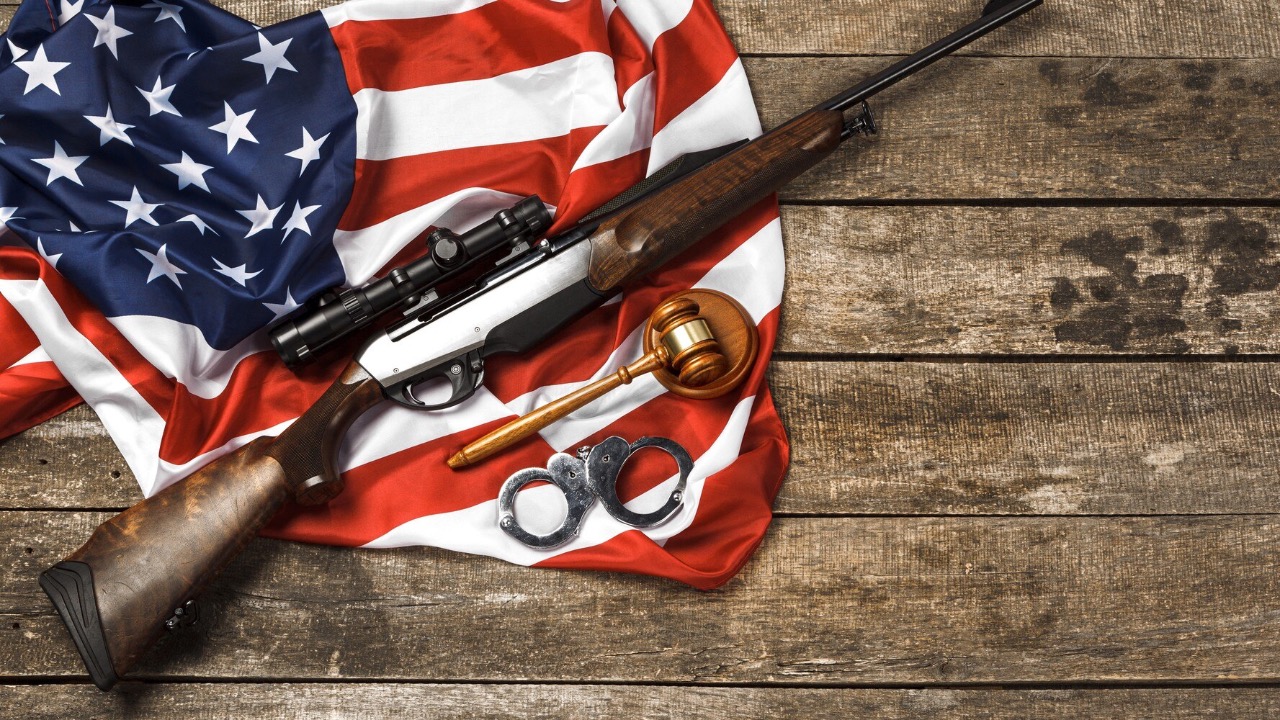
When new federal gun laws are passed, several states often respond within weeks by filing lawsuits. These challenges usually argue that the federal government has overstepped its constitutional authority or infringed on rights protected under the Second Amendment to the United States Constitution.
You’re seeing a coordinated approach in some regions, where attorneys general from multiple states join forces. That kind of alignment carries weight in federal court. It signals that the issue isn’t isolated, and it increases the odds of injunctions that can pause enforcement while the legal process plays out.
Federal Courts Are Issuing Conflicting Rulings
One of the more frustrating parts of this process is inconsistency. A federal district court in one state might block a portion of a law, while another court allows it to stand somewhere else.
That leaves you with a patchwork of enforcement. Depending on where you are, the same rule might apply—or it might not. These splits often push cases up the ladder toward appellate courts, and sometimes all the way to the Supreme Court of the United States. Until then, confusion tends to linger.
Injunctions Are Slowing Down Enforcement
A big tool in these legal fights is the preliminary injunction. When a judge grants one, it can temporarily stop a law from being enforced while the case is argued.
For you, that means laws don’t always take effect when they’re supposed to. Agencies may prepare for enforcement, only to hit pause. That back-and-forth can stretch for months or longer. It’s not unusual to see rules announced, blocked, reinstated, and challenged again—all before a final decision is reached.
Legal Arguments Often Focus on Recent Court Precedents
Recent rulings have reshaped how courts evaluate gun laws. Judges are now looking closely at historical context when deciding whether modern regulations hold up under constitutional scrutiny.
That shift has changed the tone of these cases. Instead of focusing only on public safety arguments, courts are weighing whether similar restrictions existed in earlier periods of American history. It’s a narrower lens, and it’s influencing how both sides build their arguments.
Enforcement Varies Widely on the Ground
Even when federal laws are in place, enforcement can look different depending on the state. Some jurisdictions actively support federal efforts, while others take a more hands-off approach.
That variation affects how laws impact you day to day. In one state, enforcement may be strict and visible. In another, it might be limited or challenged at the local level. The result is uneven application, which adds another layer of uncertainty for gun owners trying to stay compliant.
Advocacy Groups Are Driving Much of the Litigation
A lot of these court challenges are being pushed by national and regional advocacy groups. They file lawsuits, fund legal teams, and coordinate strategy across multiple states.
Their involvement keeps cases moving and ensures that challenges don’t stall out early. It also means these fights are well-resourced and persistent. When one case is decided, another often follows, sometimes targeting a different part of the same law.
The Timeline for Final Decisions Can Stretch for Years
If you’re waiting for clear answers, you’ll need patience. These cases rarely wrap up quickly. Appeals, rehearings, and procedural delays can stretch things out.
Even when a higher court issues a ruling, it doesn’t always end the debate. Lawmakers may revise legislation to address the court’s concerns, which can trigger a new round of challenges. It’s a cycle that keeps the issue active and unsettled for longer than most people expect.
What It Means for Gun Owners Right Now
In practical terms, you’re dealing with uncertainty. Laws may change, pause, or shift depending on where you live and how courts rule.
The best move is staying informed and paying attention to updates from reliable sources. This isn’t a static situation. What’s legal today could look different down the road, especially as cases move through the courts. For now, the landscape remains in motion, shaped as much by judges as by lawmakers.

Asher was raised in the woods and on the water, and it shows. He’s logged more hours behind a rifle and under a heavy pack than most men twice his age.