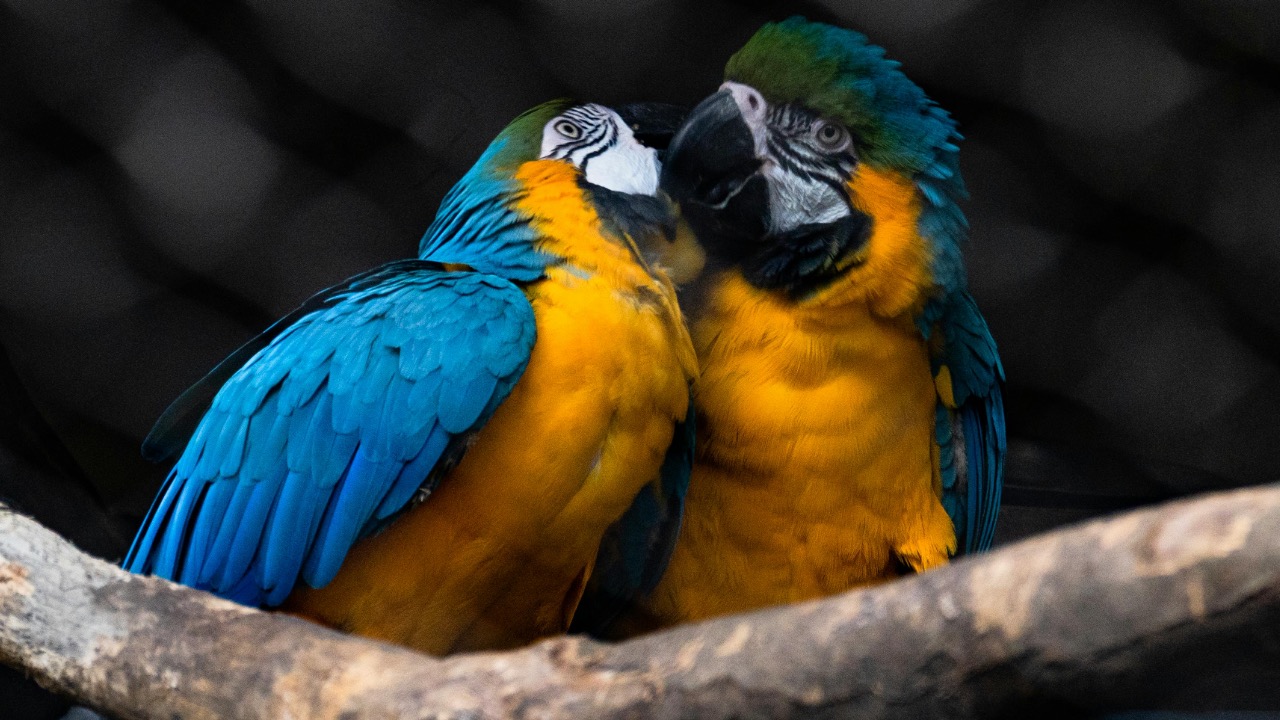
Blue-and-Yellow Macaws Return to Rio de Janeiro After Two Centuries
If you’ve spent time in the tropics, you know the sound of a macaw carries long before you ever see it. It’s sharp, loud, and hard to mistake. For nearly two centuries, that sound was missing from the skies over Rio de Janeiro.
Now it’s back. The return of the blue-and-yellow macaw isn’t some accident or lucky break—it’s the result of years of work, patience, and a willingness to fix what was lost. You’re watching a piece of Brazil’s natural history get stitched back together, one bird at a time.
They Disappeared Long Before Most People Realized
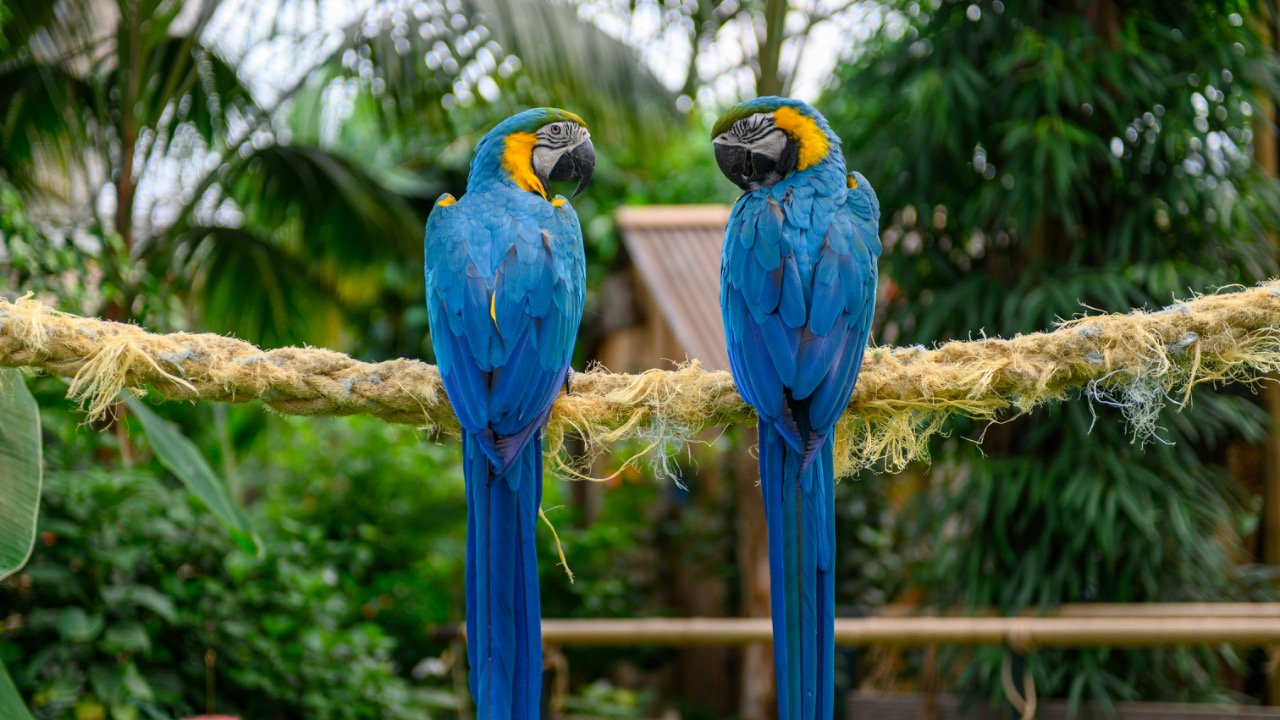
The blue-and-yellow macaw, known scientifically as Ara ararauna, once ranged across large parts of Brazil, including the forests around Rio. Early accounts describe them moving in pairs or small groups, feeding along rivers and forest edges.
By the early 1800s, they were gone from the region. Habitat loss hit first as forests were cleared for agriculture and development. On top of that, trapping for the pet trade took a steady toll. It wasn’t one event—it was a slow removal until the birds simply stopped showing up. By the time people noticed, they were already part of the past.
Habitat Loss Was the Main Driver
You don’t lose a bird like this without losing the ground it depends on. Around Rio, the Atlantic Forest took a beating over the last two centuries. What was once a continuous stretch of dense forest got carved into fragments.
Macaws need space—large trees for nesting, reliable food sources, and room to move. When forests shrink and break apart, those needs aren’t met. Even if a few birds hang on, they can’t sustain a population. That’s what happened here. The land changed faster than the birds could adapt, and eventually, they disappeared.
Reintroduction Took Years of Planning
Bringing them back wasn’t as simple as opening a cage. Conservation groups spent years planning releases, studying habitat, and making sure the birds had a real shot at survival.
Programs tied to institutions like Refauna Project worked to raise and prepare macaws for life in the wild. That meant conditioning them to recognize food, avoid threats, and stay with a group. You’re not releasing pets—you’re rebuilding a wild population. Every bird turned loose had to be ready for that reality.
Released Birds Had to Learn Fast
Once those macaws hit the air, the clock started. Survival depended on how quickly they adapted to a landscape that had changed dramatically since their species last lived there.
They had to find natural food, locate safe roosts, and navigate predators. Some birds struggled early, which isn’t surprising. But others figured it out. Over time, small groups began to establish patterns—feeding routes, nesting areas, and daily movement. That’s when you know a reintroduction is starting to work, when the birds stop acting like releases and start acting wild.
Urban Edges Are Part of the New Reality
Modern Rio isn’t the same place those birds left behind. Forest patches sit next to roads, neighborhoods, and open urban space. The macaws are learning to live along those edges.
You’ll hear reports of birds flying over developed areas or feeding near human activity. That can be a double-edged sword. On one hand, it shows adaptability. On the other, it exposes them to new risks—power lines, illegal capture, and disturbance. Living close to people wasn’t part of the old equation, but now it’s part of staying alive.
Breeding in the Wild Is the Real Test
Seeing birds in the sky is one thing. Seeing them raise young is another. Successful nesting is what turns a release into a population.
Early signs of breeding have been encouraging. When macaws pair off and start using nest cavities, it shows they’re settling in. Raising chicks brings its own challenges—food supply, predators, and weather all come into play. But if those young birds survive and stick around, you’re looking at the beginning of a self-sustaining group.
Protection Still Matters Going Forward
You can’t walk away once the birds are back. The same pressures that wiped them out haven’t disappeared. Habitat loss, illegal trade, and human expansion are still part of the picture.
Ongoing monitoring and protection are key. Conservationists keep tracking movements, checking nests, and working to protect critical habitat. Without that follow-through, gains can slip away faster than you’d expect. Reintroduction is only the first step—keeping them there is the long game.
It’s a Rare Win, but Not a Guaranteed One
You don’t see stories like this often. Bringing back a large, wide-ranging bird after two centuries is no small thing. It shows what’s possible when effort lines up with the right conditions.
But nothing about it is guaranteed. Populations can stall, setbacks happen, and pressure never fully goes away. What you’re seeing now is progress, not a finished job. The macaws are back in the air over Rio de Janeiro, and that matters—but keeping them there will take the same kind of steady work that brought them home.

Asher was raised in the woods and on the water, and it shows. He’s logged more hours behind a rifle and under a heavy pack than most men twice his age.