New Study Shows Shifting Migration Routes Are Changing Where Hunters Find Big Game
A growing body of wildlife research is showing that big game animals like deer, elk, and pronghorn are not using the same migration routes they relied on decades ago. New tracking data from GPS-collared herds suggests that seasonal movement patterns are shifting in response to changing weather, human development, and habitat pressure across the western United States.
Researchers have been mapping these movements for years, but newer studies are starting to show a more noticeable trend: migration routes are not fixed. Instead, many herds are adjusting where they travel, where they winter, and where they spend summers. That shift is starting to affect how hunters plan seasons, scout areas, and locate animals in the field.
GPS tracking is reshaping what scientists know about migration
Modern wildlife studies rely heavily on GPS collars that track animals across entire seasons. This has allowed scientists to build detailed maps of migration corridors and seasonal ranges that weren’t visible before. Large-scale projects across the West have already documented hundreds of distinct migration routes for mule deer, elk, and pronghorn.
These tracking systems have shown that migration is not just about instinct or weather alone. Animals often return to learned routes, but those routes can change when landscapes are altered by fences, roads, energy development, or drought conditions. Over time, those pressures can slowly shift entire herd movements into new areas.
Climate and land use are driving route changes
One of the biggest factors behind changing migration patterns is climate. Warmer winters and earlier springs are affecting when vegetation grows, which directly impacts where animals choose to move for food. In some regions, herds are adjusting elevation ranges or shifting timing to match new seasonal conditions.
Human development is also playing a major role. Roads, subdivisions, and industrial activity can block or redirect traditional migration paths. Research has shown that barriers like fencing and traffic corridors can force animals into narrower routes or completely different areas, especially during long seasonal migrations.
What this means for hunters in the field
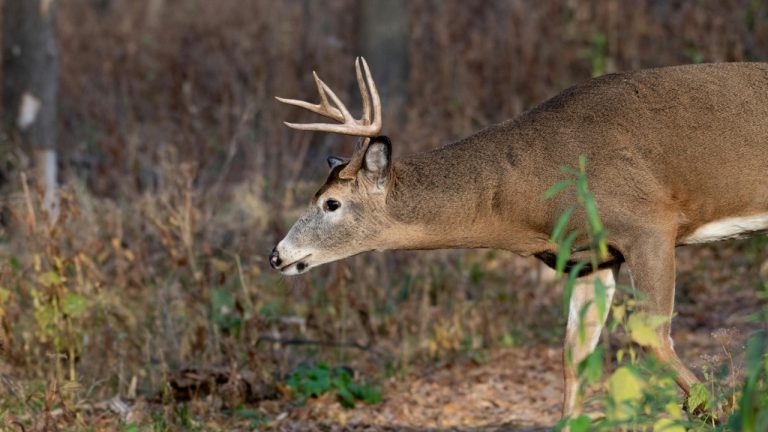
For hunters, these changes are starting to show up as differences in where big game is actually found compared to older expectations. Areas that used to reliably hold deer or elk during certain parts of the season may now see fewer animals, while new zones may become more active than before.
This doesn’t mean traditional hunting areas are disappearing, but it does mean relying on outdated knowledge can be less effective. Hunters who adjust to newer movement patterns, weather shifts, and updated herd data are more likely to find consistent success than those who depend only on past experience.
Wildlife agencies are adjusting management strategies
State wildlife agencies are also reacting to these shifts by updating management zones and hunting boundaries. Some regions are moving toward herd-based management instead of fixed geographic units, using migration data to better match how animals actually move throughout the year.
This approach is designed to make regulations more aligned with real animal behavior. Instead of assuming herds stay within static boundaries, managers are increasingly using migration science to set seasons, tag allocations, and conservation priorities.
Why migration shifts are expected to continue
Most researchers agree that these changes are not temporary. As long as climate patterns continue to shift and human development expands, wildlife movement will keep adapting. Some herds may stabilize in new routes, while others may continue to adjust over time.
For hunters and wildlife managers alike, the key takeaway is that migration is dynamic, not fixed. Understanding that movement is changing is becoming just as important as knowing where animals traditionally used to be.

Leo’s been tracking game and tuning gear since he could stand upright. He’s sharp, driven, and knows how to keep things running when conditions turn.