Nine Malnourished Cows Escape Dairy Farm Hell—Rare Cruelty Victory Sees Them Safe at Sanctuary Forever
Nine malnourished cows who slipped out of a failing dairy operation have gone from skeletal neglect to permanent safety at a sanctuary, in a rare outcome where authorities, advocates, and caregivers all pulled in the same direction. Their story shows how farmed animals usually treated as interchangeable units of production can, with enough pressure and coordination, be recognized as victims of cruelty and granted a life that finally matches the law’s promise of protection.
The rescue, centered on a group of cows once left to deteriorate in a remote pasture, has become a touchstone for animal welfare groups who argue that what happened for these nine should not be the exception. It is a case that exposes how neglect can hide in plain sight on industrial farms, while also demonstrating that when people act, even the most forgotten animals can be moved from starvation to sanctuary.
From forgotten pasture to emergency call
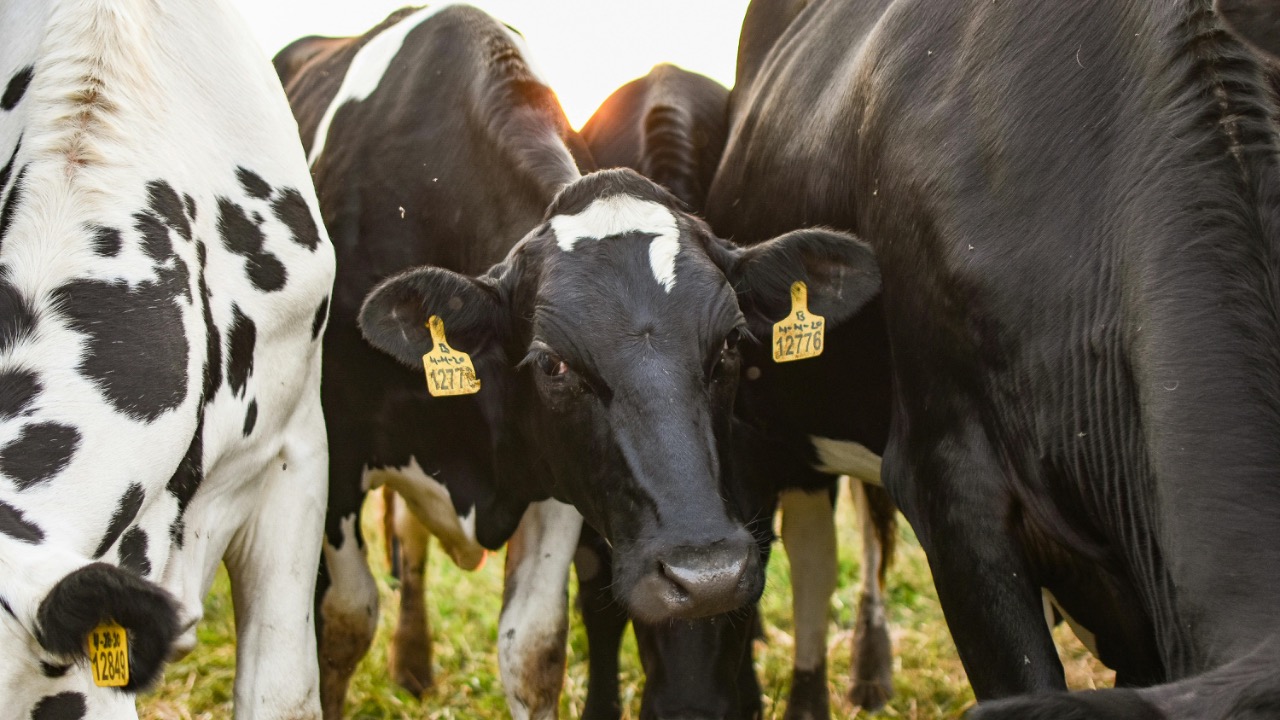
The nine cows were discovered in a neglected corner of a dairy property where routine care had collapsed and basic needs were not being met. According to detailed accounts of the rescue, they were found severely underweight, with visible ribs and hips, and with little access to adequate food or clean water. Some had overgrown hooves and untreated health problems that signaled long-term disregard rather than a brief lapse in care, conditions described by animal advocates as a textbook case of cruelty and neglect.
The situation came to light when local observers raised alarms about the state of the herd and contacted authorities along with farm animal advocates. That call triggered a multi-agency response that brought together law enforcement, veterinarians, and sanctuary staff who specialize in large animals. Inspectors documented the cows’ condition and the state of the property, and those findings helped build the case that these were not routine management issues but serious welfare violations that demanded immediate intervention.
As the investigation unfolded, it became clear that the nine cows were living in what rescuers later described as “dairy farm hell,” a place where animals were left to fend for themselves in a system that had effectively abandoned them. Their removal from that environment was not simply an act of charity. It was framed as enforcement of existing cruelty statutes that, on paper, apply to cows in industrial agriculture just as they do to dogs or cats in a private home.
A rare cruelty victory inside industrial agriculture
Animal protection groups often point out that prosecutions for cruelty involving farmed animals are relatively rare, even when conditions are severe. In this case, advocates describe the outcome as a rare victory because officials were willing to treat the suffering of production animals as a matter of law enforcement rather than an internal farm management issue. The case moved beyond quiet warnings and into formal action that resulted in the cows being permanently removed from the property.
According to the detailed rescue narrative published by Farm Sanctuary, the intervention did not stop at seizing the animals. Authorities worked with advocates to ensure that the cows would not be auctioned off or returned to another exploitative operation, but instead transferred to long-term sanctuary care. That decision is what sets this case apart. In many cruelty investigations involving farmed animals, seized individuals are sent back into the same system that harmed them, often through livestock auctions where their histories vanish the moment the bidding starts.
Here, the nine cows were treated as individual victims whose ongoing safety mattered. Advocates involved in the case have described this as a model for how cruelty laws can be applied consistently to all species, regardless of their economic role. The case also shows that when law enforcement, prosecutors, and sanctuaries coordinate from the outset, they can secure outcomes that prioritize the animals’ long-term welfare rather than only short-term removal from immediate harm.
Inside the rescue: a coordinated operation
The rescue itself unfolded as a complex, carefully staged operation. The cows were in poor physical shape, and many were not accustomed to gentle handling, which meant that loading them onto trailers required both technical skill and patience. Sanctuary staff and veterinarians worked side by side to assess which animals were stable enough to travel and which needed on-site treatment before they could be moved.
Teams arranged specialized livestock trailers, portable fencing, and emergency medical supplies to stabilize the cows during transport. Each animal was given an initial health check, including body condition scoring and evaluation for dehydration, infections, and hoof problems. The goal was to avoid compounding their trauma with rough handling or rushed procedures. Rescuers described a scene where, despite the urgency, every movement was deliberate and calm so the cows would not panic.
Once the cows were safely loaded, the convoy headed toward sanctuary grounds that had been prepared in advance with quarantine paddocks and soft bedding. Staff had already set up secure fencing, shade structures, and access to clean water to receive the new arrivals. The planning paid off. The cows arrived to find a space designed for recovery, not production, and the transition from a barren pasture to a sanctuary field marked the first tangible step in their new lives.
The road to Longleaf Animal Sanctuary
The nine cows are now permanently safe at Longleaf Animal Sanctuary, a facility described in rescue accounts as their final home. Their transfer to Longleaf was arranged as part of the legal resolution of the cruelty case, which ensured that ownership was fully transferred and that the animals could never again be claimed as farm property. That legal clarity is critical for sanctuaries, which need assurance that rescued animals will not be pulled back into the system through future disputes.
Longleaf Animal Sanctuary is profiled in mapping data that highlights its role as a dedicated refuge for farmed animals in its region. The facility, identified in one dataset as Longleaf Animal Sanctuary, provides large pastures, individualized veterinary care, and long-term behavioral support for animals who have survived neglect or industrial use. For the nine cows, this means they will never again be forced into milk production or sold at auction.
According to detailed reporting on their story, the cows’ arrival at Longleaf was not a simple drop-off. Sanctuary staff spent days preparing pasture rotations, shelter access, and feeding plans tailored to animals recovering from severe malnutrition. Because refeeding starved animals too quickly can cause organ failure, the team developed gradual nutrition protocols that allowed the cows to gain weight safely while monitoring their blood chemistry and behavior.
The decision to place them at Longleaf was also shaped by capacity and specialization. Not every sanctuary can absorb nine large ruminants at once, especially when they require intensive medical care. Longleaf’s infrastructure and partnerships with veterinary professionals made it one of the few facilities able to commit to lifelong care for the entire group rather than splitting them across multiple locations.
Healing from malnutrition and trauma
Life at Longleaf has centered on reversing the physical and psychological damage inflicted at the dairy farm. When they arrived, the cows showed classic signs of chronic malnutrition, including low body condition scores, dull coats, and weakness. Some had untreated injuries or infections that required immediate attention. Veterinarians working with the sanctuary developed individualized treatment plans for each cow, combining parasite control, hoof care, dental checks, and targeted supplementation.
The refeeding process involved small, frequent meals of high quality hay and carefully measured grain, along with constant access to clean water. Staff monitored the cows’ weight, appetite, and energy levels, adjusting rations as their bodies began to recover. Over time, their hips and ribs became less pronounced, and their coats grew shinier, visible signs that their bodies were finally receiving consistent nutrition.
Sanctuary caregivers also focused on the cows’ mental recovery. Many rescued farm animals display signs of fear, withdrawal, or hypervigilance after years of rough handling or neglect. At Longleaf, staff used quiet routines, gentle touch, and positive reinforcement to help the cows associate humans with safety rather than threat. The animals were given choices about when to approach caregivers, when to explore new pastures, and which herd mates to spend time with, small freedoms that add up to a profound shift in their daily experience.
Observers have described moments that capture this transformation: cows who once flinched at every movement now approaching volunteers for scratches, individuals who had been too weak to stand for long now trotting across the field at feeding time. These changes are not only emotionally powerful. They also serve as living evidence that animals emerging from industrial neglect can thrive when given proper care and autonomy.
How sanctuaries turn one case into wider change
The story of the nine cows is one of several high profile rescues that advocates have highlighted in recent years to shift public attitudes about farmed animals. In a retrospective on major rescues, one account described how animals like Oscar the pig, who arrived at a sanctuary with severe frostbite, were given intensive care through networks such as the Farm Animal Adoption Network (FAAN). That same report on six inspiring rescues framed these stories as catalysts for broader conversations about how society views animals used for food.
In the case of the nine cows, advocacy groups have used their story to argue that cruelty laws should be enforced consistently across species and industries. They point out that the same statutes that protected these cows often go unenforced in other farm settings, where neglect is treated as a business issue rather than a criminal one. By documenting the investigation, seizure, and transfer to sanctuary, they aim to create a template that can be cited in future cases.
Sanctuaries also rely on public engagement to sustain this work. Supporters are encouraged to contribute to rescue and care costs through donation platforms such as online giving, purchase merchandise that funds operations through outlets like sanctuary shops, and share rescue stories on social media. Official pages on platforms such as Facebook and Twitteramplify cases like the nine cows, helping them reach audiences far beyond the local communities where the rescues occur.
Other organizations, such as those profiled at Animal Sanctuary, operate on similar models, combining direct care with education and advocacy. Together, these groups argue that every successful cruelty prosecution and sanctuary placement helps chip away at the idea that farmed animals are beyond the reach of meaningful legal protection.
Why this case stands out in cruelty enforcement
Several features make the rescue of the nine cows stand out in the wider context of farm animal welfare. First, the case involved a clear recognition by authorities that cows in a commercial dairy setting can be victims of cruelty in the same way companion animals can. That recognition is not automatic. In many jurisdictions, agricultural exemptions and industry norms create a gray zone where harmful practices are tolerated as standard business.

Leo’s been tracking game and tuning gear since he could stand upright. He’s sharp, driven, and knows how to keep things running when conditions turn.