Officials uphold controversial fishing ban amid environmental concerns
Officials have chosen to stand by a sweeping ban on a controversial fishing method, casting it as a necessary response to mounting environmental damage even as backlash from coastal communities intensifies. The decision keeps sensitive waters off limits to some of the most efficient industrial gear, sharpening a global debate over who bears the cost of ocean protection and how quickly governments should move.
Supporters hail the move as a historic step to safeguard marine ecosystems and fish stocks for future generations, while critics warn that families, small businesses, and entire ports are being pushed to the brink.
Fragile seas and a high‑stakes ban
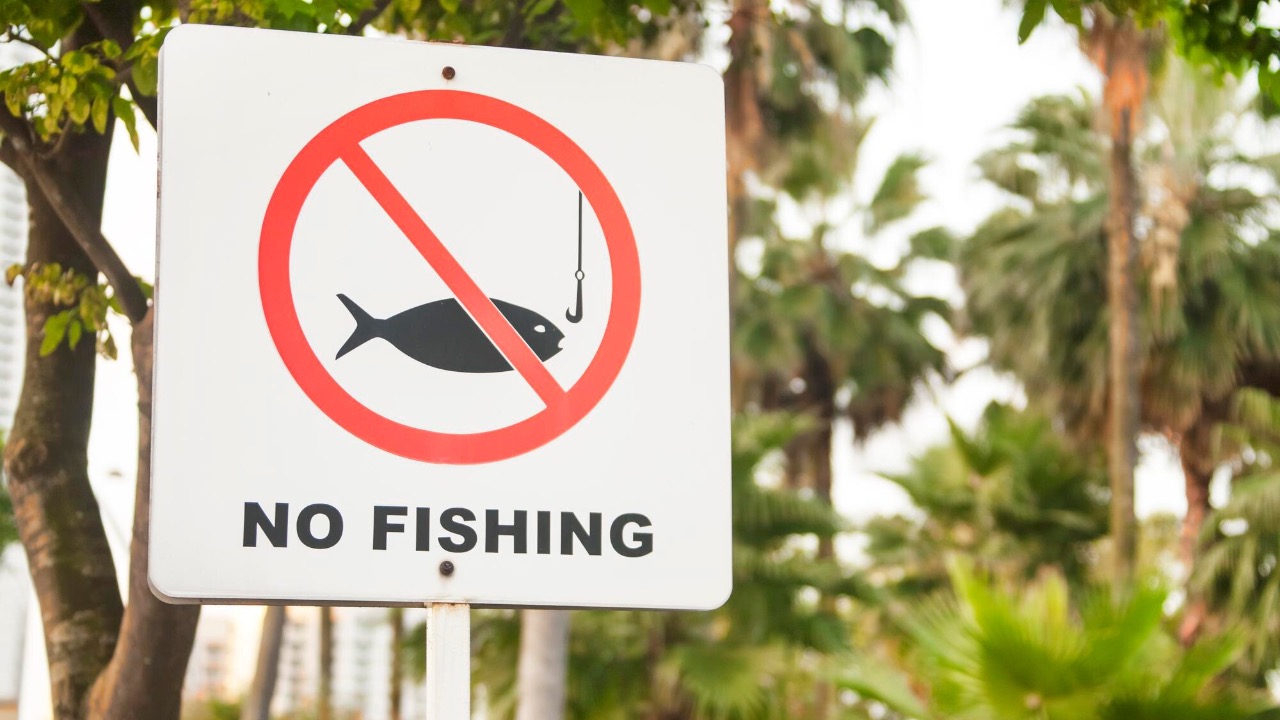
Marine protected areas are at the center of this fight, since they often restrict access to grounds that fishers have worked for decades. In one Atlantic archipelago, officials have upheld what advocates call a historic prohibition on destructive gear across a large marine protected area, arguing that the ban will help vulnerable species recover and cut down on abandoned nets and lines, sometimes referred to as ghost gear, according to regional reporting.
Scientists and campaigners point to evidence that heavy industrial methods such as bottom trawling leave long‑lasting scars on the seabed, crushing corals and sponges that can take centuries to grow. One assessment found that only 38 out of 377 M marine protected areas in a major European jurisdiction are actually safe from bottom trawling, and that in a single year trawlers logged more than 20,000 hours of activity in supposedly protected zones, according to According Observer.
Officials who back the restrictions argue that without firm limits, those figures will keep rising and leave little chance for habitats to recover.
Fishers on the front line
Out on the water, the policy looks very different. In one video that has circulated among fishing communities, skipper Hesslewood is shown loading up for a long journey and reflecting on how uncertain the next three months will be if there are no fish left on his usual grounds, a scene captured in a short documentary.
In Western Australia, the state’s fisheries minister has publicly defended a controversial demersal fish closure, acknowledging that the decision delivers tough news ahead of the summer holidays but insisting that government cannot ignore stock assessments that point to serious depletion, as explained in a televised ministerial interview.
For many operators, the economic hit is already tangible. In another clip, a commercial fisher stands outside his local representative’s office and describes how, just two or three days after being forced to stop fishing, 200 kilograms of dead fish were left to rot because the new rules prevented them from being landed or sold, according to an on‑scene video.
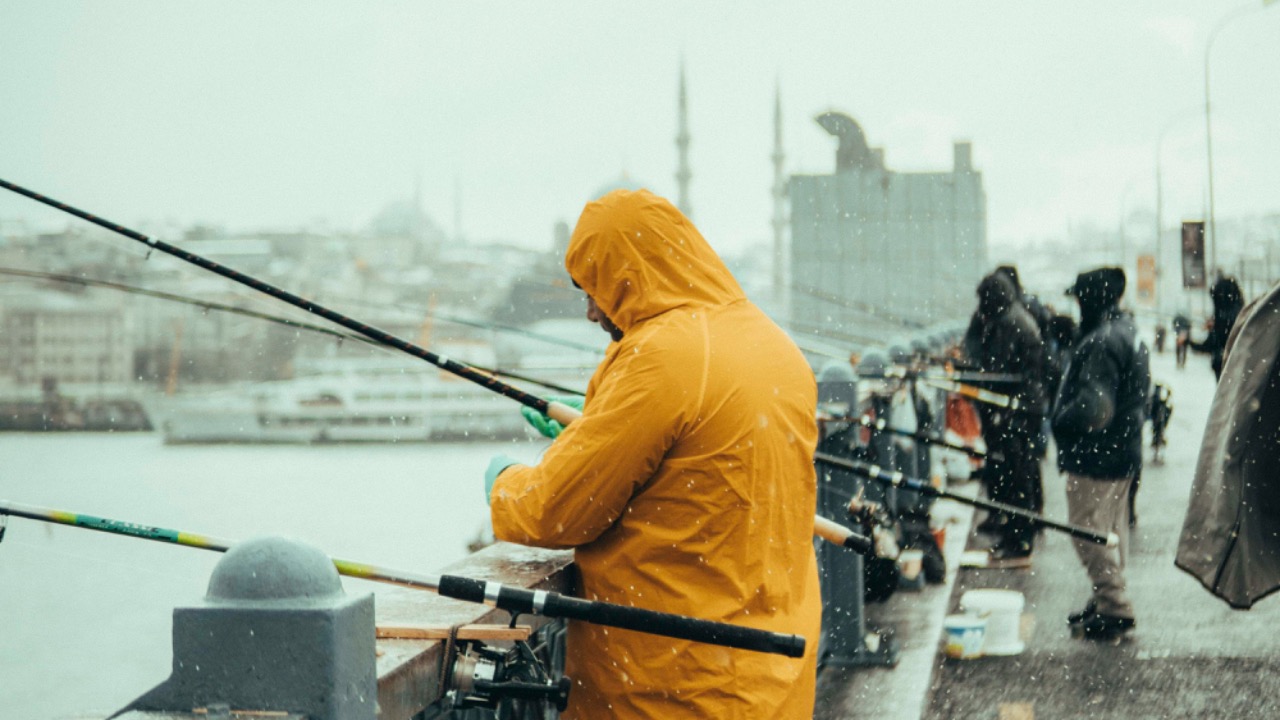
Protest has followed. Hundreds of fishers have driven long distances across Western Australia, forming convoys that slowed traffic as they converged on the capital to demand changes to the demersal ban and to warn of job losses and community decline, scenes captured in a news report.
They argue that decisions are being made too quickly, with limited consultation, and that small‑scale operators are being treated the same as large industrial fleets.
Officials defend a long‑term bet
Policymakers counter that the short‑term disruption is the price of avoiding collapse. In one case, officials described a new prohibition on a controversial method as a win‑win situation, stressing that the restriction would reduce damage to seafloor habitats while still allowing sustainable harvests of shrimp, groundfish, and crustaceans in surrounding areas, according to an analysis of Sam Westmoreland.
Elsewhere in the Mediterranean, authorities that have tightened controls on bottom trawling report that small‑scale fleets are beginning to see the upside. One review noted that These positive changes are also reflected in the fishing industry, including small‑scale fleets, which are observing increased catches of species that are increasingly abundant and valuable catches, a trend described in a study of Mediterranean reforms.
Officials who recently confirmed another sweeping closure during a broader environmental crisis called the move an act of collective courage for the future and argued that protecting the sea and the local economy are not in conflict over the long term, according to a report on Michael Muir.
That framing reflects a growing view in parts of the industry that healthy stocks and intact habitats ultimately support more stable catches and prices.
Legal and political crosscurrents
The fight over this latest ban sits within a broader legal and political struggle over who controls access to offshore resources. In the United States, a group of nine senators pressed the federal government to restore a commercial fishing prohibition in the Northeast Canyons and Seamounts Marine National Monument after a legal challenge to the earlier ban was rejected by the courts, according to a detailed account that noted how Since then each successive president has reversed his predecessor’s approach until protections were put back in place in 2021, as described in a review of senatorial pressure.
President Donald Trump had earlier revoked a prohibition on commercial fishing in the Northeast Canyons and Seamounts Marine National Monument, a move that critics said weakened safeguards for the area’s ecosystems and reflected a broader effort to open more federal waters to industry, according to a public statement.
Another debate has focused on a monument in the Pacific that lies 150 miles off the coast of New England, covering about 4,900 square miles that were designated by President Ba as a protected area and later became the subject of questions about whether a president can unilaterally overrule an existing fishing ban, according to a discussion of presidential authority.
Together, these disputes show how each new restriction or rollback can quickly become a test case for executive power as well as a flashpoint for coastal politics.
Uncertain path to compromise
Even where everyone agrees that safety or conservation problems exist, there is little consensus on the remedy. In one coastal community, officials weighing a controversial fix for a dangerous local issue heard from residents who warned that a full ban would cause undue harm to nearby fishing businesses, and They said they were looking to get some guidance on options that might reduce risk without wiping out livelihoods, according to a local briefing.
Similar tensions surround the current prohibition that officials have chosen to uphold. Environmental advocates argue that without strong enforcement, catch limits and gear rules will remain on paper only, especially in remote waters where monitoring is thin.
Fishing groups insist that they are already adapting, pointing to voluntary closures, gear modifications, and shorter seasons as evidence that heavy‑handed bans are not the only way to protect the sea.
For now, the decision to keep the controversial practice off the water signals that governments are willing to absorb political anger in the name of long‑term ocean health. Whether that gamble pays off will depend on how quickly damaged ecosystems respond, and on whether coastal communities feel they have a stake in the recovery instead of just a bill to pay.

Asher was raised in the woods and on the water, and it shows. He’s logged more hours behind a rifle and under a heavy pack than most men twice his age.