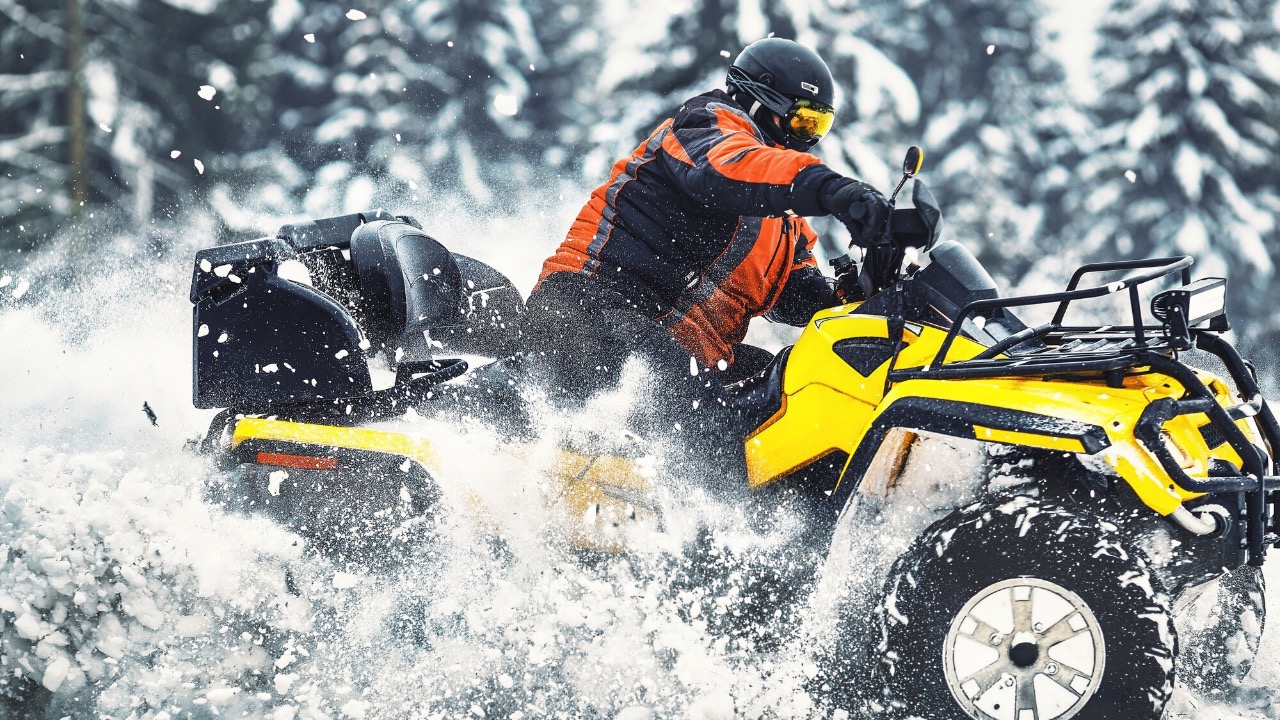
Guide Crawls 11 Grueling Hours with Broken Legs After UTV Crash in Backcountry Hunt
In the thin air of Utah’s Uintah Mountains, a routine scouting trip for mule deer turned into an 11-hour crawl for survival. Hunting guide Jake Schmitt shattered both ankles and broke his leg when his UTV rolled off a steep trail, then dragged himself for miles through rock, creek beds, and darkness to find help, with his dog Buddy refusing to leave his side.
The backcountry accident left Schmitt with broken ankles, a fractured tibia and fibula, multiple broken ribs, dislocated joints, and deep cuts, yet he stayed conscious and methodically inched toward a distant campground. His ordeal offers a stark look at how quickly a familiar mountain can turn hostile and how preparation, training, and a loyal dog can keep a badly injured person alive until rescue.
The crash that shattered a guide’s legs
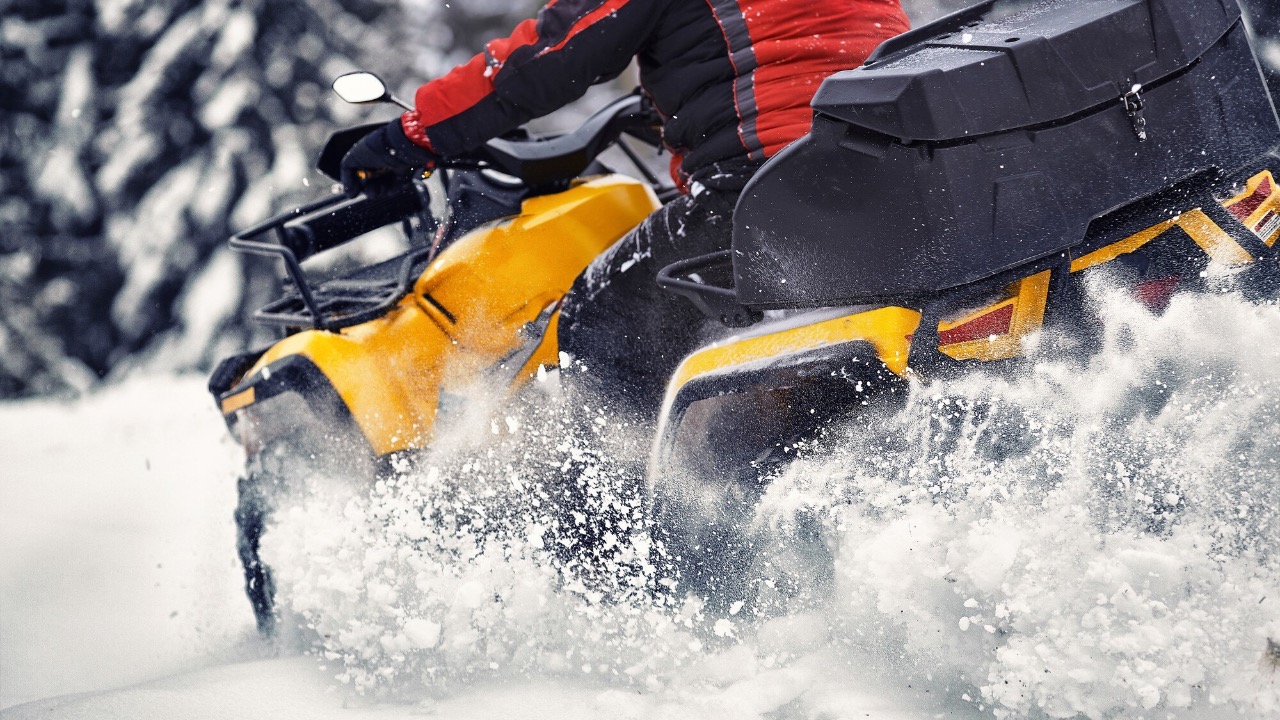
Jake Schmitt is a Utah hunting guide who had set out into the Uintah Mountains to scout for mule deer when the day unraveled. According to a detailed account shared on Jake Schmitt, a, he was driving a side by side UTV along a mountain trail when the front left wheel began to lift and the machine tipped into a rollover. The vehicle tumbled an estimated 15 to 20 times down a steep hillside, at one point partially landing on him before flinging him free.
In the chaos of the crash, Schmitt suffered catastrophic injuries. Reports describe both ankles fractured, a broken tibia and fibula in one leg, multiple broken ribs, dislocated joints, and a body covered in lacerations and bruises. One summary of the incident notes that he also sustained deep cuts that later required staples to close, along with significant blood loss before he could even begin to move toward help.
The UTV finally came to rest in a dry creek bed below the trail, leaving Schmitt separated from the main route and out of sight of anyone passing above. The machine was wrecked, and the impact destroyed or scattered his gear. He had no working phone, no lights, and no food, and he was now trapped in a remote pocket of the Uintah Mountains with daylight fading and serious trauma to both legs.
“Man crawls 11 hours” is not an exaggeration
What followed has been widely summarized with a blunt phrase: a man crawls 11 hours to safety with broken ankles, ribs and leg after his vehicle flips. That shorthand barely captures the grind of what Schmitt endured. According to one account that described how a man crawls 11, he realized quickly that no one knew his exact location and that waiting by the wreck meant bleeding and freezing in the dark.
So Schmitt began to crawl. With both ankles broken, he could not stand or hobble, so he dragged himself using his elbows and his unbroken leg, pushing through rocks and brush. Each movement sent pain through his fractured ribs and shattered ankles. He measured progress in inches, not yards, and focused on reaching a distant campground he knew sat several miles away.
Television interviews later captured how he described that night, including one segment that introduced him as an Ogden man who crawled and dragged himself for 11 hours after a side by side rollover in the Uintas. He recalled hearing his own bones grinding as he moved and feeling his injured leg twist with each pull. At times he had to stop to control his breathing and clear his head, worried that passing out would mean never waking up.
The terrain did not cooperate. The hillside was steep and strewn with loose rock. He had to cross a creek, haul himself up eroded banks, and navigate through patches of deadfall. Night fell, temperatures dropped, and he had no headlamp to pick a clean line. Instead, he inched forward by feel, following the faint sense of where the trail and campground should be.
Buddy the dog and the psychology of not being alone
Through all of it, Schmitt was not alone. His dog Buddy, who had been riding with him in the UTV, survived the rollover and stayed with him from the moment he hit the creek bed. A detailed survival narrative describes how dog helped him by trotting just ahead, circling back when he fell behind, and at one point even letting Schmitt grab his collar for leverage.
Another account shared in a backcountry hunting community describes the ordeal in simple terms: then came the crawl. For 11 excruciating hours through darkness, creeks, and rocky mountain trails, Buddy never left. Members of that group highlighted how the dog’s presence kept Schmitt focused, even giving him a reason to keep talking and stay mentally engaged instead of slipping into shock and silence.
In later interviews, Schmitt explained that without Buddy he believes he would have broken down mentally and then physically. A separate profile on how a hunter crawled through Utah wilderness thanks to his dog Buddy quotes him saying that the companionship was the difference between pushing forward and giving up. The dog was not just a comfort, he was a constant reminder that someone else depended on him to keep moving.
Search and rescue experts often talk about the importance of a strong psychological anchor during survival situations. In Schmitt’s case, that anchor had a name and a wagging tail. Buddy’s behavior also had practical benefits, from alerting Schmitt when he veered off course to eventually barking within earshot of people at the campground once they neared safety.
Improvised first aid with duct tape and scraps
Schmitt’s survival was not only about grit. It also involved quick improvisation with what little he had left after the crash. One detailed social media post notes that with no lights, no phone, no food, and miles of rugged terrain between him and safety, Schmitt had only from his gear to work with.
He used those scraps to stabilize his leg, wrapping duct tape tightly around makeshift padding to create a crude splint for his broken tibia and fibula. He also used tape to secure bandages over deep cuts and to close gaps in torn clothing so he would retain more body heat as nighttime temperatures dropped in the Uintah Mountains. While far from textbook medical care, the improvised splint limited further damage with each painful crawl stroke.
Survival instructors often stress that in remote accidents the first priority is to stop major bleeding and prevent injuries from worsening. Schmitt’s use of duct tape and available material did both. By immobilizing his leg as much as possible, he reduced the risk of bone fragments cutting additional tissue or arteries. By covering wounds and keeping himself warmer, he lowered the chance of hypothermia and infection before he could reach professional care.
The decision to move, rather than wait by the wreck, was also a form of medical triage. Given the severity of his fractures and the lack of cell service in that pocket of the Uintah Mountains, staying put would likely have meant hours or days before discovery. Crawling toward a known campground increased the odds that he would find other people before his injuries or exposure became fatal.
Reaching help after an all night crawl
After roughly 11 hours of continuous effort, Schmitt and Buddy finally reached an area near a campground where other people could hear them. By then it was early morning, and he had dragged himself for an estimated five miles. Witnesses described him as covered in dirt and blood, with his legs twisted at unnatural angles, but still alert and focused on getting Buddy secured before paramedics moved him.
Rescuers transported him from the Uintah Mountains to a hospital where surgeons worked to save his leg. According to a detailed local report on how a hunter crawls 11, doctors inserted a rod into his leg and closed wounds with stitches after assessing the fractures. Another section of that same account notes that the crash left Schmitt with both ankles fractured, a broken tibia and fibula, multiple broken ribs, dislocated joints, and a body covered in cuts, yet his leg was ultimately saved.
He spent about a week recovering in the medical facility before returning home to Ogden. Friends, family, and clients rallied around him, sharing updates on social media and organizing support. A fundraiser titled help Jake rebuild detailed his five mile crawl to safety and the long rehabilitation ahead, including physical therapy to regain strength in his ankles and leg.
Video segments from local stations, including one that framed the story as a man crawls 11 on the Uinta Mountains, showed Schmitt in a hospital bed describing the crash and its aftermath. In those interviews he emphasized his gratitude for the strangers who helped at the campground, the medical team that saved his leg, and the dog that refused to leave him behind.
What the accident reveals about backcountry risk
For people who spend time in the backcountry, Schmitt’s story is a case study in how quickly a familiar environment can become life threatening. He was not a novice; he was a professional hunting guide who knew the Uintah Mountains and the Uinta Mountains well. He was scouting a trail he had used before, in a machine designed for rough terrain. Yet a single misjudged angle or hidden obstacle was enough to send the UTV flipping 15 to 20 times down a steep slope.
Several accounts emphasize that he had no working phone after the crash, no artificial light once the sun went down, and no food. Those gaps highlight a few practical lessons for anyone traveling in remote areas by vehicle. A satellite communicator such as a Garmin inReach Mini 2 or a ZOLEO unit can send distress messages even when cell service is nonexistent. A small headlamp in a pocket or glove box can turn a blind crawl into a controlled walk, or at least help avoid the worst of the terrain. A simple emergency kit with a mylar bivy sack, compression bandage, and water purification tablets weighs little but can buy crucial hours.
Schmitt did have one piece of gear that proved invaluable: duct tape. His use of it to splint a broken leg and secure bandages shows why many guides and search and rescue volunteers treat it as non negotiable equipment, right alongside a tourniquet and pressure dressing. Combined with basic first aid knowledge, simple items can dramatically change the outcome of a crash or fall.
The accident also illustrates the importance of leaving a clear plan with someone at home. While the sources do not detail his check in arrangements, search and rescue veterans point out that a written route and expected return time give authorities a starting point if a hunter or rider does not come back. In Schmitt’s case, his own decision to move toward a known campground shortened the timeline, but not everyone will have the strength or ability to crawl for 11 hours with broken bones.

Leo’s been tracking game and tuning gear since he could stand upright. He’s sharp, driven, and knows how to keep things running when conditions turn.