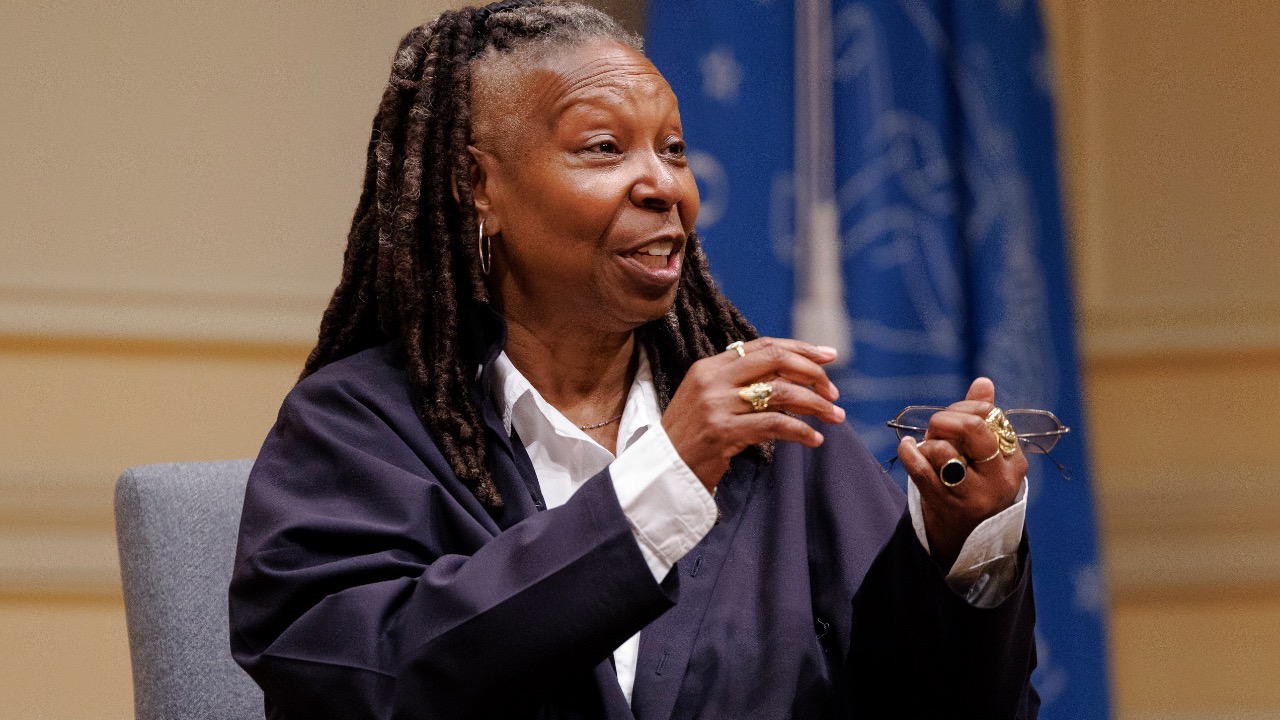
On ‘The View,’ Whoopi Goldberg Asserts That Trump Administration Is Planning a Military Draft Amid Iran Tensions
You might have caught the segment or seen clips circulating online. On a recent episode of The View, co-host Whoopi Goldberg weighed in on escalating tensions with Iran and suggested the Trump administration could move toward reinstating a military draft. Her remarks came amid discussions of U.S. involvement in the region and drew immediate clarification from fellow panelist Alyssa Farah Griffin. The exchange highlighted deep divisions over foreign policy, military readiness, and how the country staffs its armed forces during periods of strain.
Goldberg referenced reports about the administration’s handling of the situation and expressed concern that long-term commitments would require broader mobilization. Griffin pointed out Iran’s history as a state sponsor of terrorism and noted administrative updates to Selective Service registration, which now automatically enrolls eligible men rather than relying on self-reporting. These changes aim to streamline processes without altering the all-volunteer force structure that has defined U.S. military service since the 1970s. The moment underscored how quickly conversations about national security can turn personal for viewers watching from home.
Background on U.S. Involvement in Iran
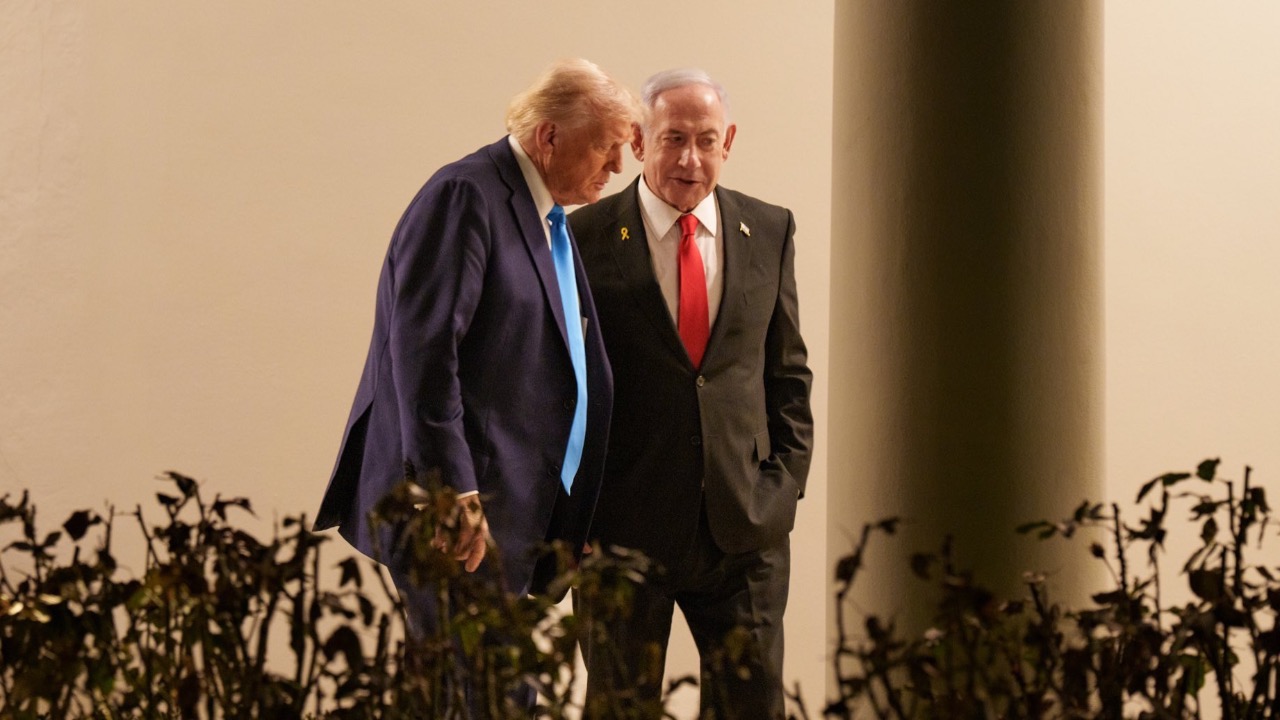
You follow the news closely enough to know the context runs deeper than any single television segment. The United States has maintained a complex relationship with Iran for decades, marked by sanctions, proxy conflicts, and periodic spikes in direct confrontation. Recent military operations have focused on countering threats from Iranian-backed groups and addressing nuclear concerns that have persisted across multiple administrations.
Public anxiety rises when troop levels or operational tempo increase. Families worry about deployments, while policymakers debate the balance between deterrence and overextension. Goldberg’s comments tapped into that unease, framing the conflict as one with no easy endpoint. Observers note that while volunteer recruitment faces challenges during prolonged engagements, no formal conscription legislation has advanced in Congress. The discussion serves as a reminder of how television commentary can amplify broader societal fears about potential service obligations.
What Selective Service Registration Actually Means
You probably remember filling out forms or hearing about registration requirements around age 18. The Selective Service System maintains a database of eligible individuals in case Congress and the president ever authorize a draft, a mechanism unchanged in its core purpose for generations. Recent adjustments automate enrollment for men, reducing administrative gaps without compelling anyone to serve.
Critics sometimes portray these updates as steps toward mandatory service, especially when paired with active military operations. In reality, reactivation of the draft would require explicit legislative action and faces significant political hurdles. The current system supports planning and readiness rather than immediate conscription. Understanding these distinctions helps separate administrative housekeeping from alarmist interpretations that circulate in heated media moments.
Reactions from Co-Hosts and Viewers
You sense the tension in the studio when panelists disagree on air. Griffin pushed back during the exchange, emphasizing persistent regional threats that outlast any single conflict. Her comments reflected a view that sustained vigilance remains necessary regardless of draft speculation. Goldberg held her position, linking manpower concerns to broader military policy debates.
Social media lit up afterward, with supporters praising Goldberg for voicing parental worries and detractors accusing her of exaggeration. Such moments reveal how talk shows function as cultural barometers. Audiences tune in for familiar voices processing complex events, yet interpretations vary widely based on individual experiences with military service or foreign policy views.
The All-Volunteer Force in Practice
You look at recruitment numbers and retention rates to gauge the health of today’s military. Since ending the draft in 1973, the United States has relied on volunteers drawn by pay, benefits, and career opportunities. This model has delivered a highly professional force but faces strain when operations intensify and civilian job markets compete for talent.
Discussions about potential drafts often surface during these periods. Lawmakers monitor shortfalls and consider incentives before contemplating conscription, which carries political costs and equity questions. The Iran-related operations test this system’s limits without yet shifting fundamental policy. Viewers weighing Goldberg’s words benefit from recalling this historical preference for voluntary service.
Public Anxiety and Media Framing
You notice how personal stories shape reactions to distant conflicts. Parents imagine notification letters arriving at their door, while veterans recall their own service under different circumstances. Television segments like the one on The View channel those emotions into broader conversations about national priorities.
Media outlets frame these issues through competing lenses, some stressing immediate risks and others contextualizing long-term strategy. The result leaves audiences sorting signal from noise. Accurate details about registration changes versus actual draft proposals help ground the dialogue in verifiable policy rather than speculation alone.
Looking Ahead on Military Policy
You consider the months and years following current operations. Any administration balancing multiple global commitments weighs force structure carefully. Congress holds the constitutional authority over conscription, meaning sustained public and legislative support would precede any return to mandatory service.
Ongoing debates focus on improving volunteer recruitment, modernizing benefits, and clarifying strategic goals in volatile regions. Goldberg’s assertion brought these underlying questions into living rooms, prompting viewers to examine their own positions. As developments unfold, staying informed through primary sources remains the most reliable way to navigate claims made on daytime television.

Asher was raised in the woods and on the water, and it shows. He’s logged more hours behind a rifle and under a heavy pack than most men twice his age.