Gun Ownership Surges Amid Political Uncertainty: What New Owners — and Regulators — Must Consider
Political uncertainty has driven more Americans than usual to buy firearms in recent years. Background check data and surveys show spikes tied to elections, policy shifts, and broader unease, with notable increases among women, people of color, liberals, and others who did not traditionally dominate buyer demographics. Many first-time owners cite self-protection amid fears of unrest or changing social conditions. This wave builds on patterns seen during the pandemic but reflects fresh motivations in the current climate. Whether you picked up a gun recently or are weighing the decision, the practical realities demand attention beyond headlines.
The shift in who is buying guns
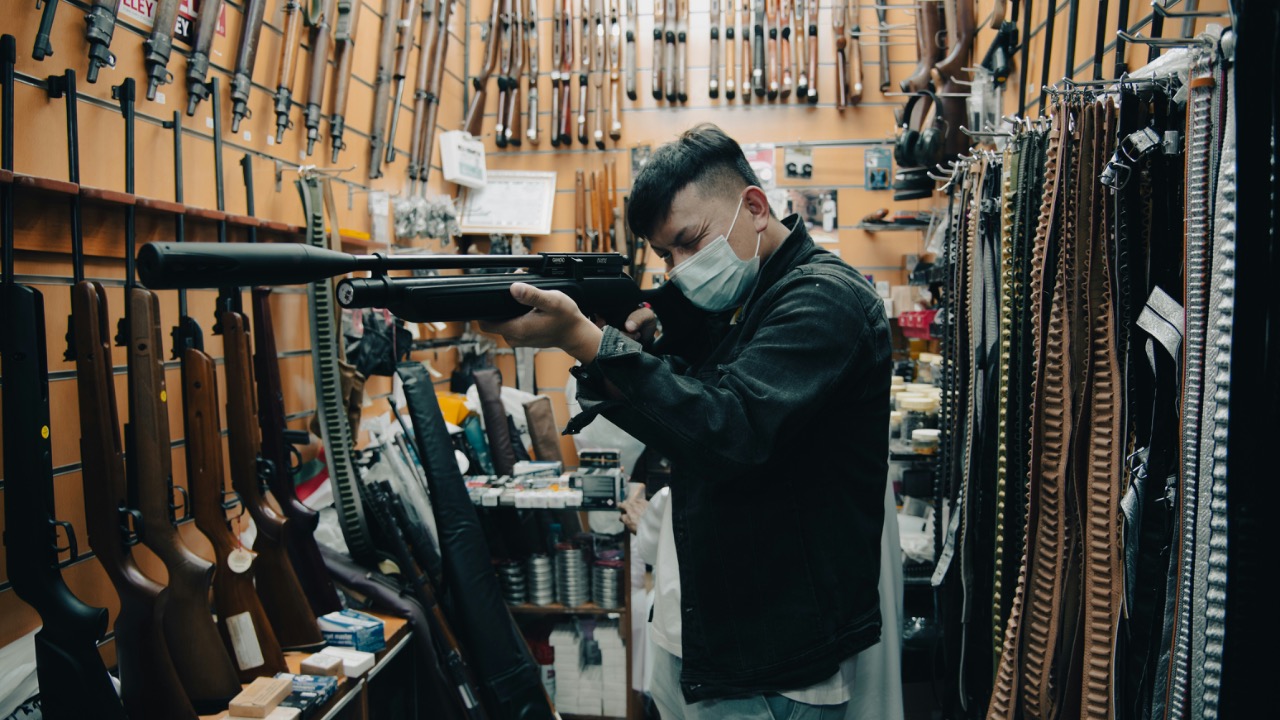
More people from varied backgrounds have entered gun ownership lately. Reports highlight rises among liberals, LGBTQ individuals, and communities of color feeling heightened personal risk after the 2024 election and its aftermath. This differs from long-standing patterns where ownership skewed toward certain rural or conservative groups. New owners often start with questions about home defense rather than hunting or sport.
You face a market full of options, but the decision carries weight. Familiarize yourself with local availability and basic mechanics before committing. Talk to experienced owners or instructors who can share honest perspectives without pressure. The goal is informed choice that matches your actual needs and living situation.
Picking the right firearm for your needs
Consider your lifestyle and environment when selecting a gun. Handguns suit close-range home defense for many, while shotguns or rifles may fit different spaces or purposes. Size, weight, and recoil matter for comfortable, repeated handling, especially if you are smaller-statured or new to shooting. Test options at a range if possible.
Avoid rushing based on online trends or recommendations from friends. What works in one household might not suit yours. Factor in storage constraints and ease of maintenance. A poor initial choice can discourage regular practice and lead to frustration or unsafe habits down the line.
Learning the core safety principles
Treat every firearm as loaded until you personally verify otherwise. Keep your finger off the trigger until ready to shoot, and always know your target and what lies beyond it. These rules sound basic, yet lapses cause preventable incidents year after year.
Make them automatic through repetition. Dry practice at home with an unloaded gun helps build muscle memory. Combine this with professional instruction to address common errors early. Safe handling protects you, your household, and everyone around you when carrying or using the firearm.
Storing your gun securely at home
Secure storage keeps firearms away from unauthorized users, children, and visitors. Use locked containers or safes, and keep ammunition separate. Quick-access options exist for self-defense scenarios, but they still limit access to responsible adults only.
Neglecting this step creates risks that outweigh any perceived convenience. Review your setup regularly as household circumstances change. In states with specific storage requirements, compliance avoids legal complications while reinforcing responsible practices.
Investing in quality training
Formal training goes beyond basic handling to cover marksmanship, decision-making under stress, and de-escalation. Look for courses from certified instructors that include live fire and scenario-based elements. Many new owners benefit from starting with fundamentals before advancing.
Regular practice maintains skills and confidence. Schedule range time consistently rather than sporadically. Training also connects you with local resources and updates on laws that affect carrying or use. It turns ownership from a purchase into an ongoing responsibility.
Navigating laws and regulations where you live
Firearm rules vary significantly by state and sometimes locality. Permits, waiting periods, carry restrictions, and prohibited places differ widely. Spend time reviewing official sources for your area rather than relying on general advice.
Stay current as legislatures and courts adjust policies amid shifting politics. Ignorance here can lead to unintentional violations. For regulators, the surge raises questions about enforcement capacity, background check effectiveness, and balancing access with public safety in uncertain times.
Maintaining your firearm properly
Clean and inspect your gun after use and periodically even if stored. Follow manufacturer guidelines for lubrication and parts checks. Basic tools and supplies make this straightforward once learned.
Poor maintenance leads to malfunctions when reliability matters most. Make it part of your routine alongside storage checks. This habit extends the life of your equipment and supports consistent performance.
Understanding self-defense realities
Legal use of force depends on imminent threat and reasonableness under the law. Study your state’s stand-your-ground or castle doctrine provisions carefully. Training that includes judgment scenarios helps clarify when and how to respond.
Many new owners overestimate speed and accuracy in real situations. Mental preparation and awareness reduce the chance of escalation. Consult local legal resources or attorneys familiar with firearms cases for clarity tailored to your location.
Considering broader impacts on policy
Regulators monitor ownership trends for patterns in crime, accidents, or compliance. Increased first-time buyers prompt discussions about training mandates, storage incentives, and background check improvements. Data from recent years shows mixed effects depending on implementation.
As a new owner, your choices contribute to the overall picture. Responsible practices strengthen arguments for balanced approaches that respect rights while addressing risks. Engage thoughtfully with local debates when they arise.
Building sustainable habits over time
Ownership works best as a long-term practice rather than a one-time response to events. Reassess your needs and skills annually. Connect with ranges, clubs, or groups that emphasize safety and education across perspectives.
This approach benefits personal readiness and contributes to calmer public conversations. Stay informed through neutral sources and maintain open dialogue where possible. In a divided environment, practical competence matters more than rhetoric.

Asher was raised in the woods and on the water, and it shows. He’s logged more hours behind a rifle and under a heavy pack than most men twice his age.