Man buys Wyoming coal mine for $2M — then makes a discovery
A coal mine isn’t the kind of purchase most folks make on a whim. But every now and then, someone with a little money and a lot of curiosity steps into a deal that turns into something far bigger than expected. That’s how this story starts—with a $2 million buyout in Wyoming and a property most people would’ve written off as tapped out. What followed wasn’t luck in the usual sense. It was patience, a sharp eye, and a willingness to look closer at ground others had already given up on.
A Mine Everyone Thought Was Finished
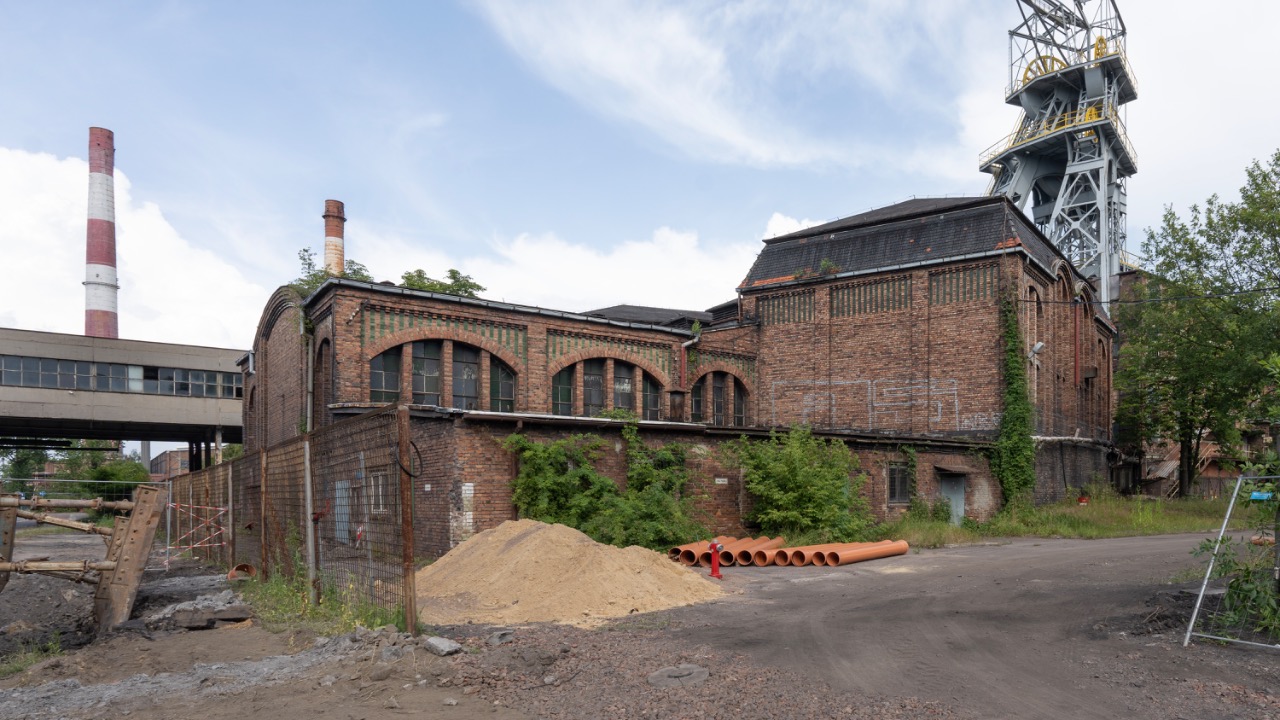
When you look at an old Wyoming coal mine, you’re not seeing opportunity at first glance. You’re seeing decades of extraction, worn-out equipment, and land that’s already been picked over by people who knew exactly what they were doing. That’s what made this purchase raise eyebrows. Most buyers steer clear of properties like that unless they’re chasing scrap value or land rights.
But you don’t spend that kind of money without a reason. The buyer wasn’t chasing coal prices or nostalgia. He saw something in the reports, in the layout, maybe even in what wasn’t being said. Mines don’t always give up everything the first time around, especially older ones worked with outdated methods.
Reading Between the Old Survey Lines
Old geological surveys can tell you a lot, but they can also hide things in plain sight. Back when this mine was first worked, the focus was coal—nothing else mattered. If something didn’t burn, it didn’t get much attention. That kind of tunnel vision leaves gaps, especially when technology and market demand shift over time.
Going back through those records, the buyer noticed inconsistencies—layers that weren’t fully explored and sections marked off for reasons that didn’t quite add up. That’s the kind of detail most people skim past. But if you slow down and study it, patterns start to show, and those patterns can point to something valuable sitting right where everyone else already looked.
What Modern Equipment Changes
Mining today isn’t what it was fifty or even twenty years ago. Equipment can reach deeper, map more accurately, and process material that would’ve been ignored in the past. What was once considered waste rock can now carry real value depending on what’s in it and how efficiently you can extract it.
That shift matters. The buyer wasn’t relying on the same playbook the original operators used. He brought in updated surveying tools and ran new scans across sections that hadn’t been touched in decades. What those scans revealed wasn’t coal—and that’s where things started to get interesting.
The Discovery That Changed Everything
What turned up wasn’t a new coal seam or anything expected. Instead, it was a concentration of rare earth elements—materials that weren’t even on the radar when the mine first opened. Back then, nobody had a reason to look for them. Today, they’re tied to everything from electronics to energy systems.
Finding them isn’t common, and finding them in a place already written off is even less so. But there they were, embedded in layers that had been bypassed entirely. It wasn’t luck as much as timing. The materials had always been there. It just took the right set of eyes and the right moment for them to matter.
Why No One Found It Sooner
It’s easy to assume someone else would’ve caught this years ago, but mining history is full of blind spots. Operators focus on what pays at the time. If coal is king, everything else gets ignored. Add in older tech and tighter margins, and you end up with entire sections left unexplored or dismissed outright.
There’s also risk. Going after something unknown costs money, and most companies aren’t eager to gamble when they’re already turning a profit. That leaves opportunities sitting in the ground, waiting for someone willing to take a second look without the same pressure to stick to what’s proven.
Turning a Forgotten Property Into a New Play
Once the discovery was confirmed, the entire value of the property shifted. What was a played-out coal mine became a site with long-term potential in a completely different market. That doesn’t mean it turned into easy money overnight—far from it. Extracting rare earth elements comes with its own challenges, from processing to environmental concerns.
But the groundwork was already there. Roads, access points, and basic infrastructure gave the project a head start. Instead of building from scratch, the buyer could adapt what was already in place. That kind of advantage cuts time and cost, and in mining, that can make or break a project.
The Bigger Lesson in Ground People Ignore
There’s a takeaway here that goes beyond one mine in Wyoming. Land that’s been worked over isn’t always finished. It’s often been approached with a single goal in mind, and anything outside that goal gets overlooked. When conditions change—whether it’s technology, demand, or knowledge—that same ground can tell a different story.
You don’t need to be in mining to understand the idea. It’s about looking where others already have and asking whether they were looking for the right thing in the first place. Sometimes the opportunity isn’t hidden. It’s been sitting there all along, waiting for someone to see it differently.

Asher was raised in the woods and on the water, and it shows. He’s logged more hours behind a rifle and under a heavy pack than most men twice his age.