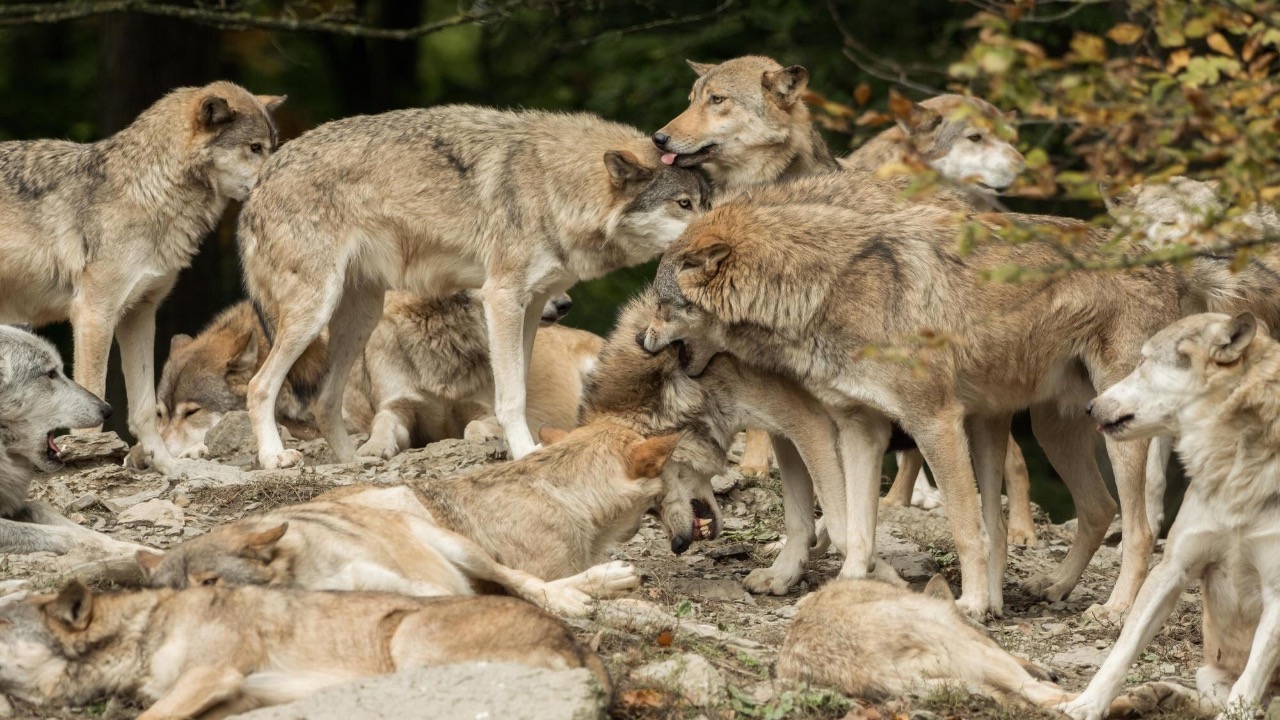
Researchers Confirm One of North America’s Biggest Wolf Packs in Yellowstone Region
New research has confirmed the presence of one of the largest wolf packs in North America within the greater Yellowstone region, drawing renewed attention to how wolf populations are changing in the wild. Scientists tracking wolves in the area say the size and stability of this pack stand out compared to typical groups found across the park.
Wolf packs in Yellowstone National Park usually average around 10 members, with numbers shifting based on food availability and internal dynamics. That’s what makes this larger pack especially notable — it goes well beyond what’s normally seen in the region today.
Why this pack is unusual
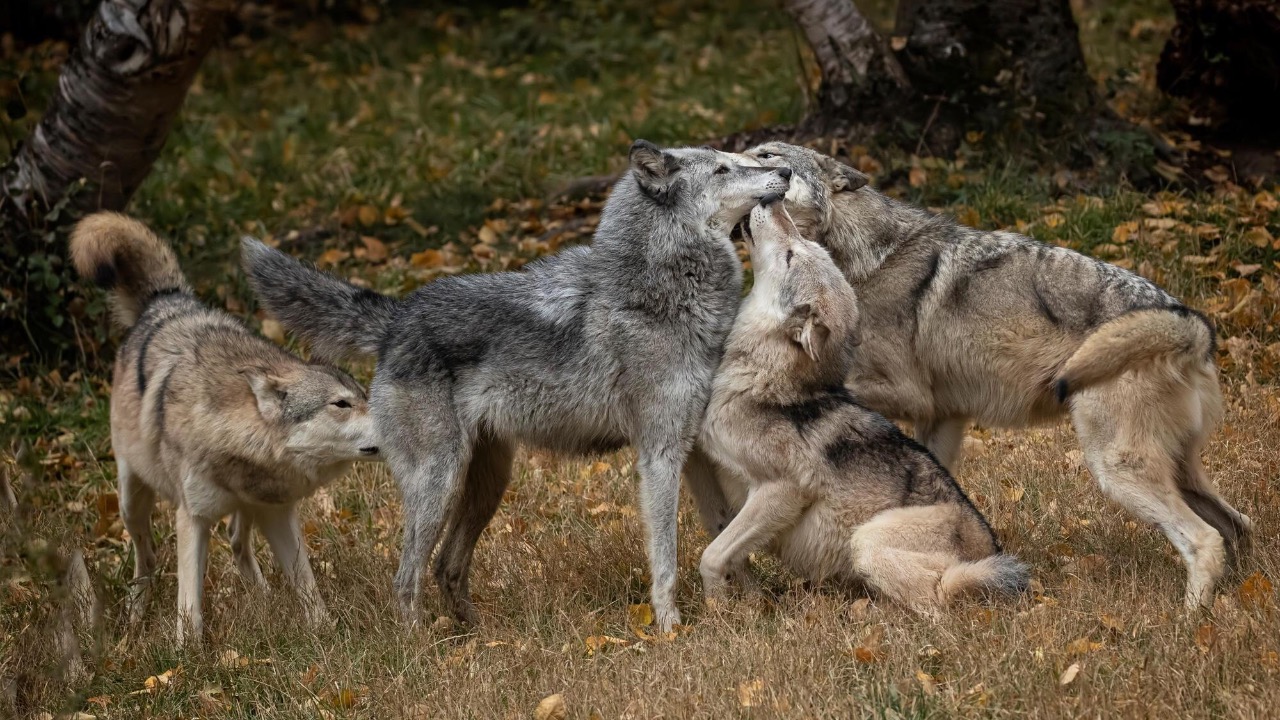
Most wolf packs don’t stay large for long. As they grow, they tend to split into smaller groups due to competition for food and internal conflict. Researchers say that’s why unusually large packs are rare and often short-lived.
Historically, one of the biggest known packs in Yellowstone — the Druid Peak pack — reached around 37 wolves before eventually breaking apart. The newly confirmed pack isn’t necessarily at that level, but its size still puts it among the most significant groups currently being studied.
How scientists track wolf populations
Researchers monitor wolves using tools like GPS collars, remote cameras, and direct observation in the field. These methods help track movement, pack size, and behavior over time without interfering too much with the animals.
Ongoing monitoring in Yellowstone has been in place for decades, especially since wolves were reintroduced in the 1990s. This long-term data is what allows scientists to spot unusual developments like larger-than-average packs and understand how they form.
What this means for the ecosystem
Large wolf packs can have a noticeable impact on their environment. Because wolves hunt cooperatively, bigger groups can take down larger prey and influence how animals like elk move across the landscape.
That ripple effect matters. Wolf populations in Yellowstone have already been linked to broader ecosystem changes, including shifts in prey behavior and vegetation patterns. A larger pack could amplify some of those effects, depending on how long it stays together.
Population trends in Yellowstone
Even with the discovery of a large pack, overall wolf numbers in Yellowstone tend to fluctuate. Recent estimates suggest the park holds roughly 90 to 120 wolves at any given time, spread across several packs.
In fact, recent data showed a noticeable decline in total wolf numbers, dropping from about 123 to around 90 in one year. That makes the presence of a large, stable pack even more interesting, since it contrasts with the broader trend.
What researchers are watching next
Scientists aren’t just focused on how big this pack is — they’re watching how long it stays together. Pack size can change quickly due to disease, competition, or members leaving to form new groups.
The bigger question is whether this is a temporary spike or a sign of changing conditions in the region. Either way, findings like this help researchers better understand how wolves adapt, survive, and shape one of North America’s most closely studied ecosystems.

Leo’s been tracking game and tuning gear since he could stand upright. He’s sharp, driven, and knows how to keep things running when conditions turn.