Rifles People Love—Until They Actually Shoot Them
Some rifles dominate social media, gun shop counters, and Hollywood cameos, yet lose their shine the moment someone touches off a full magazine. The gap between reputation and reality can be wide, especially when marketing, nostalgia, and online hype drown out lived experience on the firing line. The rifles people say they love are often not the ones they actually enjoy shooting, maintaining, or trusting under pressure.
From glossy catalog star to range-day disappointment
Rifles earn their myth in very specific ways: a famous military pedigree, a striking silhouette, or a glowing review that gets repeated far more than it gets verified. Once a model becomes a status object, new buyers often chase the idea of owning it long before they understand what it is like to run it hard.
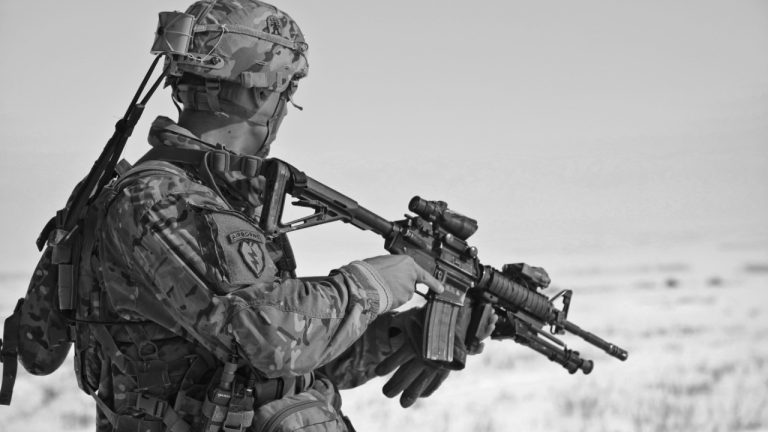
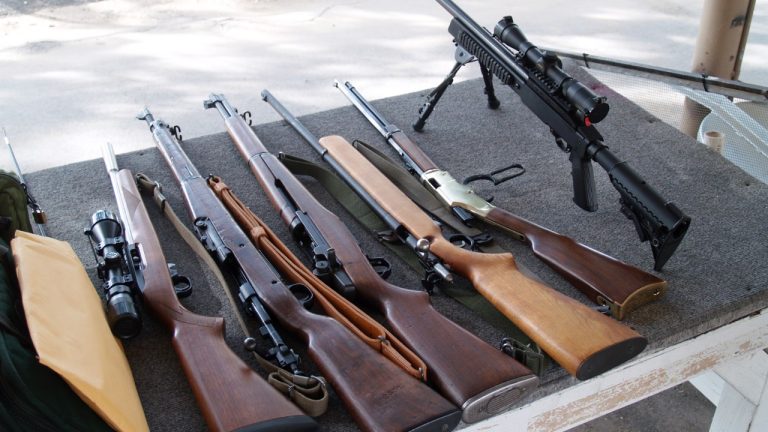
Classic full-size battle rifles are a prime example. Many shooters idolize heavy .30 caliber designs for their history and raw power, then discover that the weight, recoil, and ammunition cost make them punishing for any session longer than a few slow strings. Rifles that look heroic in archival photos can feel clumsy and exhausting in a modern training class where hundreds of rounds are fired in a day.
Ergonomics also separate fantasy from reality. Controls that seem charmingly old school in a gun safe can turn into a liability when a shooter tries to clear a malfunction under time pressure. Safety levers positioned for a different era of doctrine, charging handles that require awkward reach, and non-adjustable stocks all add friction. The result is a rifle that photographs beautifully but leaves its owner quietly reaching for something more practical when it is time to train.
How social media and identity shape rifle expectations
Online culture has become one of the strongest forces behind rifles that are loved in theory but not in practice. Influencers often highlight aesthetics, accessories, and short, controlled clips of shooting, which can hide issues that appear only during sustained use. A rifle that runs flawlessly for a curated ten-round burst may behave very differently during a full day of drills in heat, rain, or cold.
At the same time, firearms are increasingly wrapped up in personal identity. For some owners, a rifle signals political beliefs, regional culture, or membership in a particular subcommunity. That pressure can push people toward specific models that fit the image they want to project, even if those rifles are not comfortable for their body type, experience level, or intended use.
Training environments have started to respond to this tension between image and reality. In Ohio, for example, instructors have built firearm classes tailored to transgender students who may face both safety concerns and cultural barriers in traditional gun spaces. Those programs focus on fundamentals, fit, and confidence, which often means steering students away from the trendiest rifles and toward platforms they can actually manage and maintain. The same principle applies broadly: once people are coached through recoil management, manipulations, and realistic scenarios, their preferences shift from what looks right online to what feels right in their hands.
Design tradeoffs that turn hype rifles into hard work
Many rifles that disappoint on the range are not poorly made. They are simply optimized for a different mission than the one civilian owners imagine. A platform built for short bursts of combat at moderate distances may not shine in a precision role, just as a rifle tuned for match accuracy can feel temperamental in a dirty, high-volume class.
Weight is one of the most common surprises. Heavier rifles soak up recoil and can be wonderfully stable from a bench or bipod, which encourages glowing first impressions. Over several hours of standing or movement drills, though, that same mass leads to fatigue, sloppy technique, and slower target transitions. Shooters who bought into the idea that “heavier is always better” often find themselves shopping for lighter barrels, slimmer handguards, or entirely different platforms.
Caliber choice brings its own reality check. Powerful cartridges promise reach and authority, but they also create sharper recoil, louder blast, and higher ammunition costs. Those factors discourage frequent practice, which undermines the very confidence owners hoped to gain. Many shooters eventually migrate back to intermediate calibers that let them train more often and maintain better control, even if that means abandoning a rifle that once felt aspirational.
Maintenance is another fault line between brochure fantasy and lived experience. Some rifles require specialized tools, proprietary parts, or meticulous cleaning schedules to stay reliable. Owners who are not prepared for that commitment may skip routine care, then blame the platform when reliability suffers. Rifles with simpler field-stripping procedures and widely available spares tend to earn long-term loyalty, even if they lack the mystique of more complex designs.
Why the gap between reputation and reality matters now
The disconnect between admired rifles and usable rifles has practical consequences. As more first-time gun owners enter the market, many guided by social media more than by mentors, the risk grows that they will choose rifles that hinder rather than help their development. A poor first experience, marked by bruised shoulders, malfunctions, or confusion over controls, can push them away from regular training.
That outcome matters for safety. People who struggle with an ill-suited rifle are less likely to practice safe handling, efficient loading and unloading, and accurate fire under stress. They also may hesitate to seek help if they feel embarrassed about their choice or intimidated by more experienced shooters. Inclusive training spaces and instructors who emphasize fit over fashion can counter that trend by normalizing the idea that it is acceptable to outgrow or replace a bad match.
There is also a financial dimension. Rifles that are bought for image and then rarely used represent significant sunk costs. Owners may cycle through multiple platforms in search of something that finally “clicks,” paying a premium in transfer fees, accessories, and ammunition for each experiment. Retailers and trainers who prioritize honest conversations about recoil tolerance, intended use, and maintenance expectations can help customers avoid that expensive trial and error.
On a cultural level, the rifles that people actually enjoy shooting tend to foster healthier communities. When equipment is comfortable and confidence-inspiring, shooters are more willing to invite friends, family members, and colleagues to the range. That dynamic can broaden participation beyond the narrow demographics often associated with gun culture and can reduce the pressure to conform to a single, hyper-stylized image of what a “serious” rifle owner looks like.
What a more honest rifle culture could look like
The next phase of rifle culture is likely to reward candor over mystique. As more shooters document entire training days instead of highlight reels, and as instructors share unvarnished feedback from diverse students, the market will have to adjust. Rifles that are pleasant to shoot, straightforward to maintain, and adaptable to different body types should gain ground over those that rely on nostalgia or cinematic appeal alone.
Manufacturers already hint at this shift with modular stocks, adjustable gas systems, and lighter configurations that acknowledge the realities of civilian use. The most successful designs will probably be those that accept compromise openly, rather than pretending that a single configuration can excel at every task. Buyers, in turn, will benefit from asking less whether a rifle is iconic and more whether it fits their actual training plans.
Community-driven education will be central to that change. Range officers, club organizers, and grassroots instructors can share data on common failure points, ergonomic complaints, and student feedback across different platforms. When that information circulates as freely as marketing videos, new shooters will have a clearer picture of which rifles remain enjoyable after the first thousand rounds.

Leo’s been tracking game and tuning gear since he could stand upright. He’s sharp, driven, and knows how to keep things running when conditions turn.