
Seven less-lethal firearms experts recommend for home protection
Homeowners who want a defensive tool without the irreversible stakes of a traditional firearm are increasingly turning to less-lethal guns that fire rubber balls, OC powder, or low-velocity projectiles. Firearms instructors and personal-protection specialists now see these platforms as a middle ground between a phone call to 911 and a lethal shot.
Seven categories of less-lethal firearms stand out in expert recommendations, each with different strengths, training needs, and legal questions. Understanding how they work and where they fit into a broader safety plan helps families match equipment to their real risks instead of buying on fear or marketing.
What happened
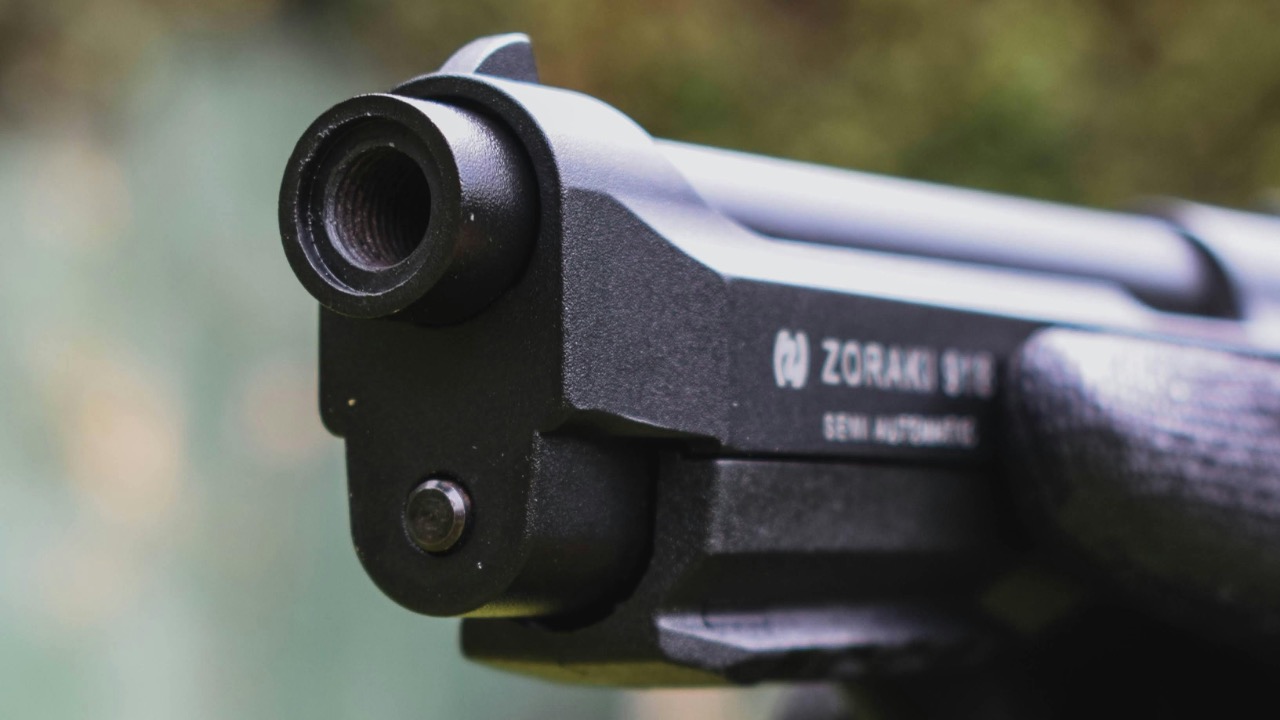
In recent years, instructors who traditionally focused on 9 mm pistols and pump-action shotguns have started adding less-lethal tools to their home-defense curriculum. Guides that once highlighted only conventional handguns for beginners now discuss how first-time buyers can pair a standard pistol with lower-risk options or, in some cases, start with a less-lethal platform before committing to a firearm that uses live ammunition. One widely read overview of beginner handgunsframes this as part of a larger conversation about skill, recoil tolerance, and comfort with lethal force.
Alongside that shift, product-focused evaluations of less-lethal guns have cataloged a set of recurring designs that experts recommend for home protection. A detailed comparison of less-lethal guns for home use highlights seven formats that repeatedly show up in training classes and consumer demand: pepper-ball launchers, CO₂-powered pistols that fire rubber or polymer rounds, compact pepper-spray guns, beanbag or drag-stabilized projectile launchers, low-velocity kinetic pistols, dedicated training and marking pistols, and hybrid systems that combine chemical irritants with impact rounds.
Instructors who endorse these tools generally present them as part of a layered security plan. They emphasize that less-lethal does not mean harmless, and that each platform still demands safe handling, scenario planning, and an understanding of local law on use of force and defensive sprays.
Why it matters
The shift toward less-lethal options matters for two overlapping reasons: the legal and moral weight of lethal force, and the practical realities of using a gun inside a home with thin walls, neighbors, and family members in adjacent rooms.
Experts who train new gun owners regularly encounter students who are uneasy about the idea of firing a traditional handgun at another person, even in self-defense. That hesitation can slow decision making in a crisis. Less-lethal guns that shoot OC powder or rubber projectiles give those homeowners a way to prepare for a violent encounter without committing to a tool that is designed to kill. Trainers point out that a homeowner who is mentally aligned with their equipment is more likely to act decisively and safely under pressure.
There is also a hard physics question. A standard 9 mm hollow point can penetrate multiple layers of drywall, which raises the risk of injuring someone in another room or a neighboring unit. Less-lethal launchers that fire frangible OC powder or low-mass projectiles typically carry far less energy and are designed to dump that energy into the target instead of passing through. Experts still warn that close-range shots can cause serious injury, but they view these systems as a way to reduce the probability of a through-and-through round leaving the intended engagement zone.
Within that context, seven types of less-lethal firearms have become recurring recommendations for home defense, each with a distinct role.
- Pepper-ball launchers. These shoulder-fired or pistol-format launchers use CO₂ to send hard plastic balls filled with OC powder toward a target. On impact, the ball breaks and creates a cloud that irritates the eyes and respiratory system. Trainers like these for hallways or entryways, where a homeowner can maintain distance and create a barrier of irritant between an intruder and the family. The downside is that OC powder can also affect the person defending the home, especially indoors with limited ventilation.
- CO₂ pistols with rubber or polymer rounds. These look and handle like conventional handguns but fire nonmetallic projectiles at lower velocities. Instructors value the familiar ergonomics and the ability to practice presentation, sight alignment, and trigger control with less noise and recoil. They caution that close-range hits can still break skin or bone, so these are treated as serious weapons, not toys.
- Pepper-spray guns. Compact launchers that project a focused stream or burst of OC solution give homeowners a more precise alternative to traditional aerosol cans. Experts often recommend them for people in apartments or shared housing who want a short-range tool that is unlikely to penetrate walls. The tradeoff is limited effective distance and the same risk of cross-contamination if the spray drifts or bounces off barriers.
- Beanbag-style launchers. Some less-lethal platforms fire fabric bags or drag-stabilized projectiles that transfer blunt force on impact. These are more common in law enforcement but have filtered into civilian offerings. Trainers describe them as high-impact, low-penetration tools that can stop or disorient an intruder without the wound channel of a bullet, while warning that hits to the head or chest can still be medically significant.
- Low-velocity kinetic pistols. These systems fire lightweight polymer balls at velocities tuned to cause pain and compliance rather than deep tissue damage. Experts sometimes recommend them for households that want a clear step up from verbal commands but are not ready for OC exposure in confined spaces. Again, range and shot placement matter, and instructors stress that the psychological effect on an intruder can vary.
- Training and marking pistols. Some less-lethal guns use paint, chalk, or soap-filled rounds. Instructors rely on these for scenario-based training inside shoot houses or mock apartments, where students can practice movement, communication, and decision making under stress. While these are not defensive tools on their own, they are part of the same ecosystem because they let homeowners rehearse realistic encounters without live ammunition.
- Hybrid impact and chemical systems. A smaller set of launchers combines a hard outer shell with an internal OC payload, blending the pain compliance of a kinetic hit with the area denial of pepper powder. Experts see these as advanced tools for users who already understand how OC behaves indoors and who have practiced shooting around cover and corners.
Across these categories, instructors return to the same themes. Any device that can injure or incapacitate someone must be stored securely, especially in homes with children. Less-lethal does not erase the need for a quick-access safe, clear rules about who can handle the tool, and regular checks on CO₂ cartridges or batteries.
They also stress that a defensive plan starts long before a trigger press. Lighting, reinforced doors, alarms, and a clear family communication plan often do more to prevent harm than any gun, lethal or otherwise. Less-lethal firearms fit into that plan as tools for the rare moment when an intruder defeats those layers and a homeowner faces an immediate threat.
What to watch next
Experts expect the market for less-lethal defensive guns to keep expanding as manufacturers refine projectiles, propellant systems, and ergonomics. One trend they monitor closely is how closely these devices mimic the feel of a traditional handgun. If a homeowner trains on a CO₂ pistol that mirrors the weight and controls of a 9 mm, that practice can translate directly if they later choose to own a conventional firearm for higher-threat scenarios.
Trainers warn, however, that familiarity cuts both ways. A less-lethal gun that looks identical to a live-fire pistol can create confusion under stress, especially in households that own both. Instructors increasingly recommend clear labeling, color coding, or dedicated storage locations so users can distinguish between platforms in low light.
Legal scrutiny is another area to watch. As less-lethal guns become more common, lawmakers and courts are likely to refine how they are regulated and how their use is judged in self-defense cases. Many jurisdictions already treat OC sprays and kinetic impact weapons as use of force, even if they are not classified as firearms. Experts advise homeowners to stay current on local rules, particularly around carry, storage, and reporting of defensive incidents.

Leo’s been tracking game and tuning gear since he could stand upright. He’s sharp, driven, and knows how to keep things running when conditions turn.