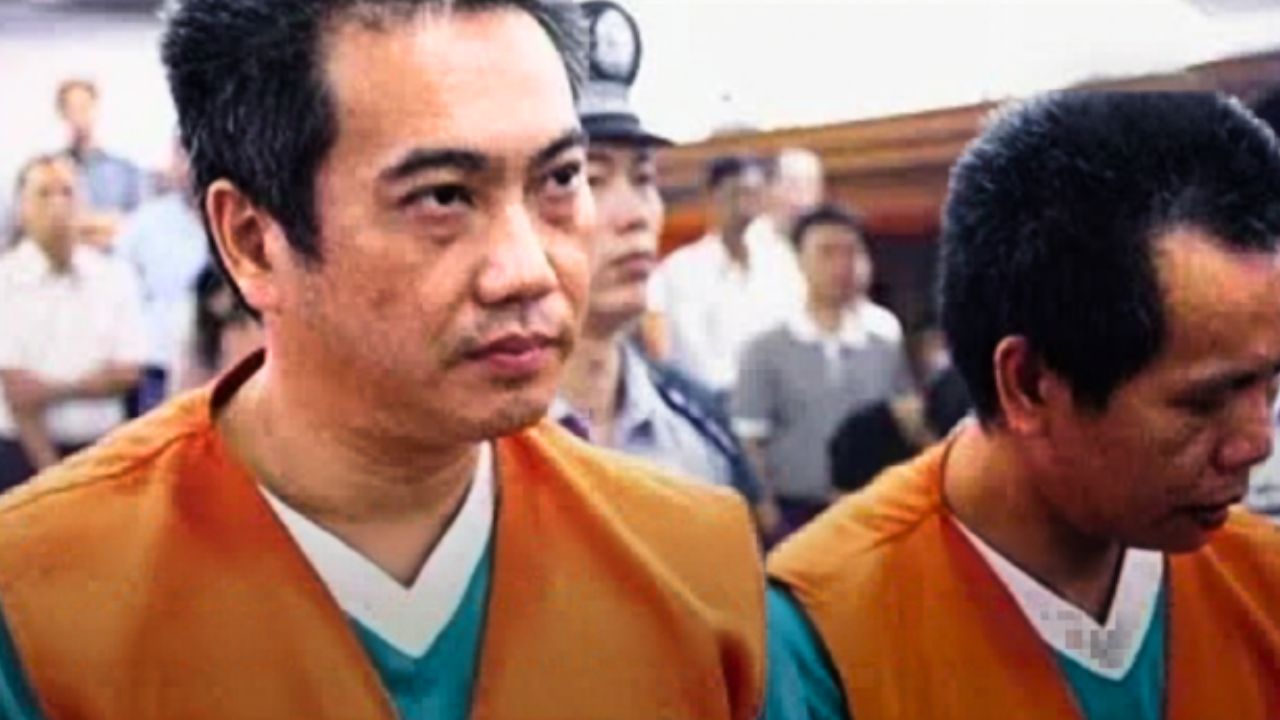
China executes 62-year-old French citizen for drug trafficking
China has executed a 62-year-old French citizen convicted of drug trafficking, defying repeated appeals for clemency from Paris and sharpening an already tense debate over capital punishment. The case brings together China’s uncompromising anti-drug policy, France’s absolute opposition to the death penalty, and growing concern over the treatment of foreign nationals in the Chinese justice system.
Carried out after a conviction that dates back more than a decade, the execution has prompted a rare and unusually sharp diplomatic protest from France. It underscores how criminal cases can quickly become geopolitical flashpoints when they involve the death penalty and competing legal values.
What happened

Chinese authorities executed the French national, identified in multiple reports as a 62-year-old man convicted of drug trafficking, after a lengthy legal process that began with his arrest in 2009. He was accused of attempting to smuggle a significant quantity of narcotics out of China and was sentenced to death in 2010 following a trial in a Chinese court, according to Chinese judicial accounts.
The man’s conviction involved several kilograms of drugs, described in Chinese reporting as hard narcotics that fall under the country’s most serious category of drug crimes. Under Chinese law, trafficking amounts above specified thresholds can lead to a mandatory death sentence, a standard that applied in this case according to official court information. The sentence was upheld on appeal, and China’s Supreme People’s Court eventually approved the execution, a step required before any death sentence can be carried out.
France’s foreign ministry said it had been informed of the impending execution only shortly before it took place and that French diplomats were denied certain requests related to the prisoner’s final days. Officials in Paris argued that the man had not been granted all the procedural guarantees to which he was entitled, including what France described as full access to consular assistance and the possibility of a genuine clemency review, concerns echoed in reporting by Ukrainian-based outlets.
The French government said President Emmanuel Macron and other senior officials had repeatedly asked Beijing to commute the death sentence to a prison term. According to diplomatic summaries, Paris sent several formal notes and raised the case in bilateral contacts, arguing that the man’s age, the time already served, and France’s universal opposition to capital punishment justified clemency. Despite those appeals, Chinese authorities proceeded with the execution, a decision described in French statements as “deeply regrettable” and “incompatible” with the values France promotes worldwide.
Chinese officials, for their part, framed the case as a straightforward application of domestic law. They stressed that the man had been tried and sentenced in accordance with Chinese criminal procedure and that drug trafficking is considered a grave offense that threatens public security. State-linked commentary cited by regional media emphasized that Chinese law applies equally to citizens and foreigners and that foreign passports do not grant immunity from severe penalties.
Why it matters
The execution has immediate diplomatic consequences for relations between Paris and Beijing. France has abolished the death penalty and treats opposition to capital punishment as a core human rights principle. Each time a French citizen faces execution abroad, the government is effectively compelled to intervene, which can strain ties with countries that retain the death sentence. In this case, the French foreign ministry summoned China’s ambassador in Paris to express what it called “firm condemnation” of the execution, a step that signals serious displeasure and is detailed in coverage by Indian-based reporting.
The case also reinforces China’s reputation as one of the world’s most aggressive users of capital punishment, particularly for drug offenses. While Beijing treats execution statistics as state secrets, legal analysts note that Chinese courts regularly impose death sentences for trafficking quantities that would draw long prison terms rather than execution in Europe. The message from Chinese authorities is clear: foreign nationals who engage in narcotics crimes on Chinese soil will face the same penalties as Chinese citizens, including the possibility of death, a stance reflected in commentary highlighted by regional legal experts.
For France and other European Union members, the case feeds a broader concern about the treatment of their citizens in legal systems that do not share European standards on due process, transparency, and punishment. French officials have pointed to what they describe as a lack of full access to the prisoner and incomplete information about the timing and conditions of the execution. Human rights advocates in Europe argue that such cases show how difficult it is to safeguard nationals once they fall into criminal proceedings in countries where diplomatic pressure has limited effect, a concern echoed in Canadian-based analysis.
The execution also lands in a sensitive context for China’s global image. Beijing has sought to project itself as a reliable partner and responsible power, including through cooperation on issues such as climate change and trade. At the same time, its domestic security policies, from anti-drug campaigns to counterterrorism measures, often draw criticism from Western governments and rights groups. A high-profile execution of a European citizen for drug trafficking reinforces existing concerns about harsh penalties and limited transparency in Chinese courts, as described by Portuguese-language reporting.
Within France, the case may sharpen debate over how far the government should go to protect nationals who face serious charges abroad, especially when those charges involve conduct that is also criminal at home. French officials have been careful not to contest the underlying drug trafficking conviction, instead focusing on the death penalty and due process. That distinction reflects a delicate balance: Paris wants to signal zero tolerance for narcotics while still insisting that no crime justifies execution.
For other foreign nationals living, working, or traveling in China, the case serves as a stark reminder of the risks associated with any involvement in drugs. Western governments routinely warn citizens that even small quantities can lead to long prison terms, and larger quantities can bring the death penalty. The French man’s age, his long time in custody, and the failure of high-level clemency appeals all reinforce the perception that Chinese courts rarely back away from capital sentences once they are confirmed, a pattern described in regional legal commentary.
What to watch next
The immediate question is how far France will go in its response. Summoning an ambassador and issuing strong public statements are early steps. Paris could choose to slow or recalibrate certain diplomatic engagements, raise the issue in European Union forums, or push for coordinated messaging from other abolitionist states. Analysts following the case note that France has, in past situations, used multilateral platforms to criticize executions of its citizens abroad, a pattern mentioned in coverage of French.
Another point to watch is whether the execution affects China’s handling of other foreign drug cases. Several Western and Asian nationals have been sentenced to death in China for narcotics offenses, and some remain on death row. If Beijing perceives that the diplomatic cost of such executions is manageable, it may feel little incentive to soften its approach. If backlash grows, however, Chinese authorities could quietly favor commutations or suspended death sentences in future cases, a possibility discussed in expert commentary.
Human rights organizations are likely to use the case to push for greater transparency around China’s use of the death penalty. They may call for public data on executions, clearer procedures for notifying foreign governments, and stronger guarantees of consular access. Such demands align with long-standing campaigns that seek to narrow the range of offenses that qualify for capital punishment, especially non-violent drug crimes, concerns that appear in regional rights reporting.
For European policymakers, the case may feed into a wider debate over travel advisories and consular support. Governments could update guidance to citizens who live or work in China, especially in sectors where exposure to drug networks is more likely, such as nightlife, logistics, or cross-border trade. There may also be renewed emphasis on early legal assistance and monitoring whenever a national is arrested on serious charges in China, a theme reflected in diplomatic briefings.

Leo’s been tracking game and tuning gear since he could stand upright. He’s sharp, driven, and knows how to keep things running when conditions turn.