Spanberger Backs Tougher Gun Measures, Including a Stricter Proposed Ban
Abigail Spanberger has come out in support of stronger gun control measures, including backing a proposed expansion of restrictions on certain firearms. The move places her firmly within ongoing Democratic efforts to tighten gun laws at both state and federal levels, especially as gun violence continues to shape political debate in the U.S.
Her comments come at a time when lawmakers are once again revisiting how current laws handle firearm access, background checks, and categories of restricted weapons. Spanberger’s position signals support for moving beyond existing frameworks, particularly when it comes to weapons considered higher risk in mass shooting cases.
The proposal she is aligned with is still in development, but it reflects a broader push to revisit how firearms are regulated in the United States. While supporters see it as a step toward reducing violent incidents, critics argue that new restrictions often expand legal definitions in ways that affect lawful gun owners without necessarily addressing enforcement gaps.
The proposed ban and what it targets
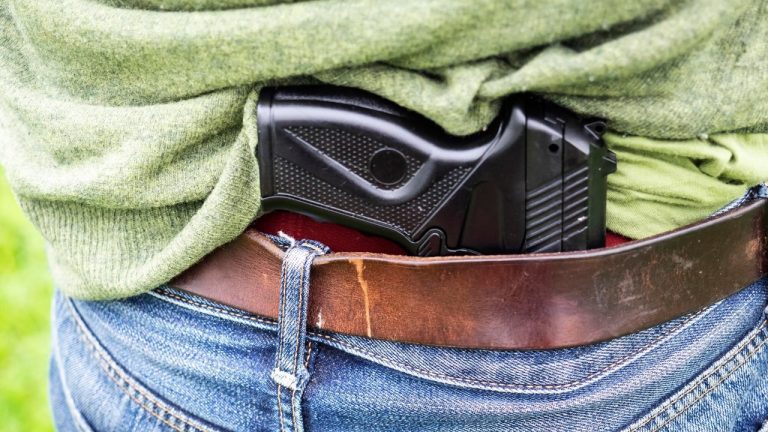
The proposed ban being discussed focuses on expanding limits around specific categories of firearms that policymakers often associate with higher-capacity firing or rapid use. While details vary depending on the draft version, the general idea is to narrow public access to certain weapons and attachments that are frequently debated in gun policy discussions.
Supporters of the proposal argue that the current system leaves inconsistencies in place, where similar firearms can be regulated differently depending on technical classifications. They believe updating these definitions could help close loopholes and make enforcement more consistent across states.
Opponents, however, raise concerns about how these categories are defined and enforced. They argue that past proposals have sometimes included broad or shifting definitions that could unintentionally impact hunters, sport shooters, and responsible gun owners. This disagreement is one of the central reasons gun legislation tends to stall in Congress.
Political divide and legislative reality
Gun control remains one of the most divided issues in American politics, and Spanberger’s stance reflects a larger partisan split. Democrats pushing for reform often focus on prevention measures and stricter regulation, while Republicans tend to emphasize Second Amendment protections and enforcement of existing laws instead of expansion.
Even when proposals gain attention, passing federal gun legislation is difficult due to the need for broad bipartisan support in the Senate. That reality often leads to compromise bills or stalled efforts, even after high-profile incidents that renew calls for change. Spanberger’s backing adds weight to the reform side but does not guarantee legislative momentum.
Public reaction and ongoing debate
Reactions to new gun proposals like this tend to split quickly along political and cultural lines. Supporters of stricter measures argue that the U.S. needs updated rules that reflect modern firearm technology and usage patterns. They point to repeated mass shootings as evidence that existing systems are not doing enough to prevent high-casualty events.
On the other side, critics argue that focusing on bans and restrictions overlooks issues like mental health support, law enforcement response, and illegal firearm trafficking. They also warn that new bans could face legal challenges and may not survive court scrutiny depending on how they are written.
As the proposal develops, it is likely to remain part of a broader national debate that has shown little sign of fading. Spanberger’s support ensures it stays in the conversation, but the path from proposal to law remains uncertain and heavily contested.

Leo’s been tracking game and tuning gear since he could stand upright. He’s sharp, driven, and knows how to keep things running when conditions turn.