Expert Gives 80% Odds of U.S. Ground War as Diplomacy Fails — What Comes Next?
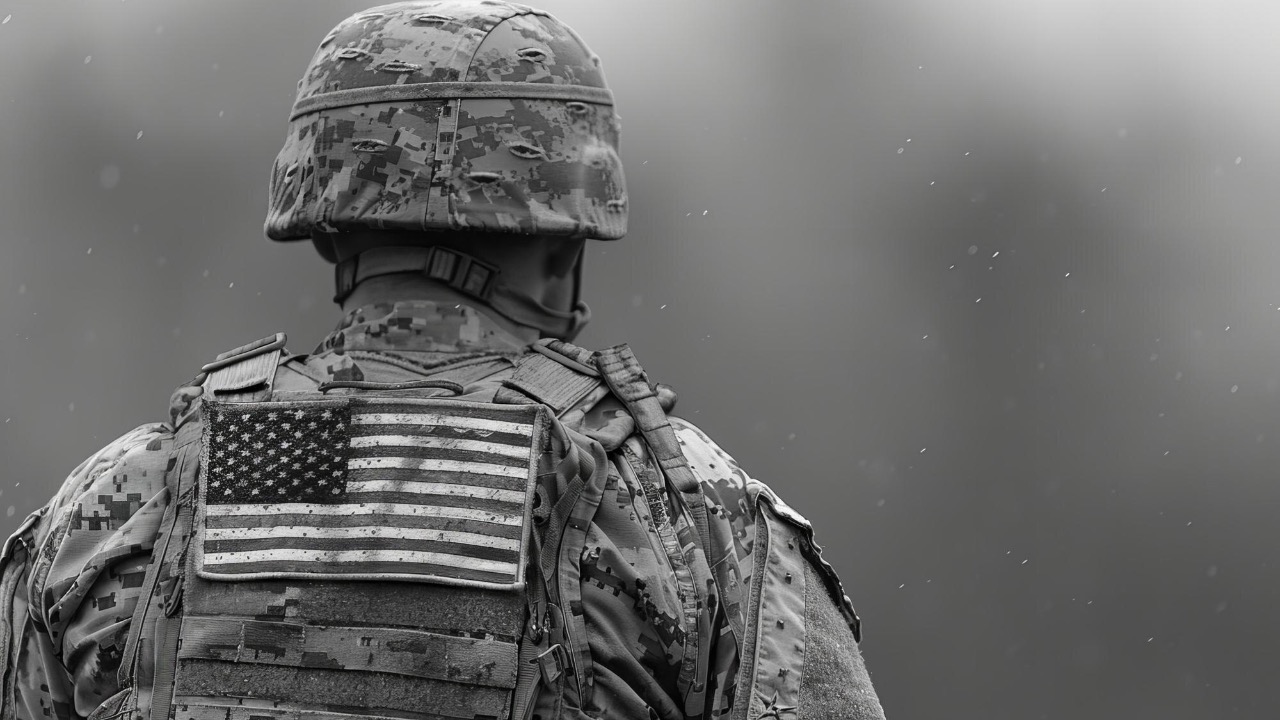
Talk of a possible U.S. ground war has picked up after an unnamed expert assessment circulated claiming an 80% chance of direct ground involvement if diplomacy continues to break down. The claim reflects growing anxiety around stalled negotiations and rising military posturing in multiple regions tied to U.S. interests.
At the same time, there is no confirmed official shift toward ground deployment from the U.S. government. What’s fueling attention is the gap between public diplomatic statements and escalating rhetoric between global powers. That gap is where analysts often start projecting worst-case outcomes, even when policy hasn’t actually crossed that line yet.
Why diplomatic talks are breaking down
Diplomatic efforts have been strained by competing demands that neither side seems willing to soften. In recent months, negotiations tied to security guarantees, trade access, and regional influence have repeatedly stalled without lasting agreements. Each round of talks appears to reset rather than progress.
When diplomacy fails repeatedly, pressure builds in other directions. Governments begin preparing contingency plans, military readiness increases, and public messaging hardens. That doesn’t automatically lead to war, but it does raise the baseline risk level. Experts often point to this stage as the most unstable point in any long-running international dispute.
What an 80% “risk” estimate actually means
An “80% chance” headline like this is not a verified forecast from any official defense agency. It typically reflects an analyst’s interpretation of current instability, not a measurable probability. These kinds of estimates are often used to emphasize seriousness rather than predict exact outcomes.
Still, high-risk assessments usually factor in things like troop movements, alliance commitments, failed negotiations, and escalating political language. Even if the number itself is subjective, it signals that some observers see conditions as unusually close to a tipping point compared to earlier phases of the conflict cycle.
What a U.S. ground war would involve
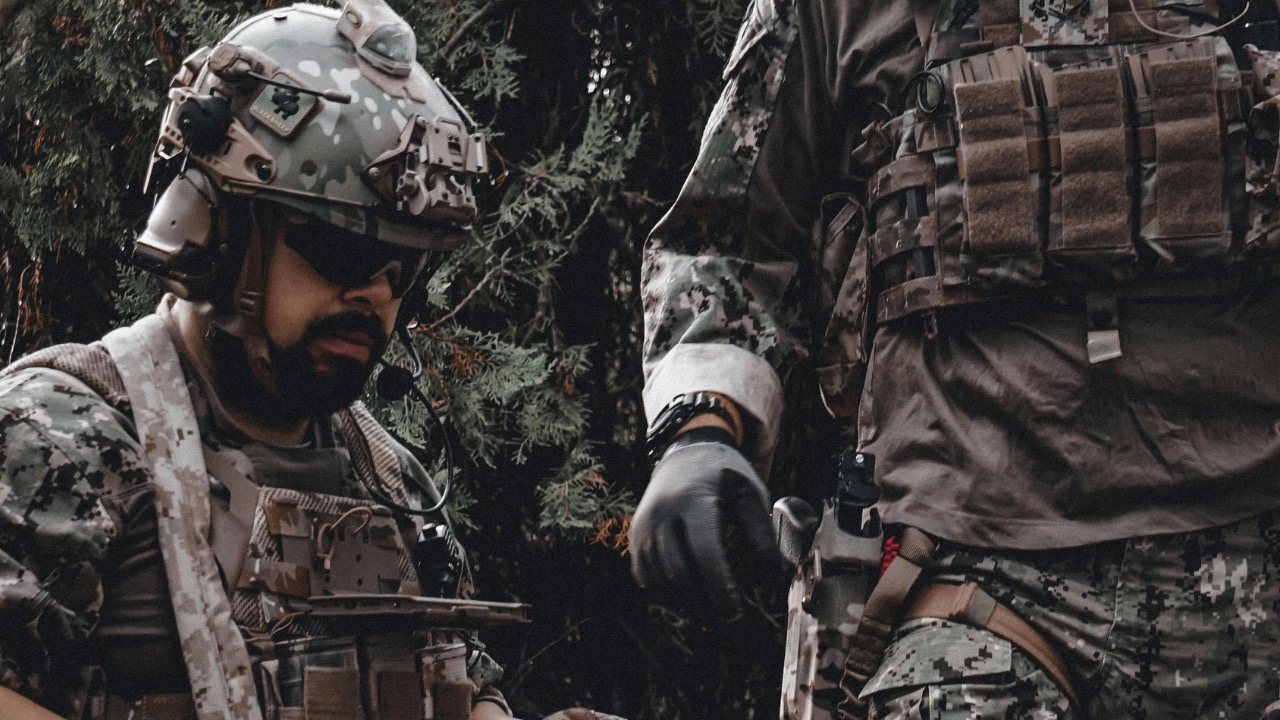
If a ground conflict were ever to happen, it would likely begin in a limited and strategic form rather than a large-scale global deployment. Modern U.S. military strategy typically avoids full ground wars unless objectives are clearly defined and supported by allies.
However, even limited ground operations carry significant consequences. They can expand quickly depending on response from opposing forces, regional alliances, and civilian impact. This is why policymakers tend to treat any potential ground deployment as a last-resort scenario rather than an early option.
Global reactions and economic pressure
International markets tend to react quickly to even speculation of ground conflict. Energy prices, shipping routes, and defense stocks often shift on headlines alone. Countries that rely heavily on global trade become especially sensitive to any signal of instability involving major powers like the United States.
Allied nations would also face pressure to clarify their positions early. In modern conflicts, coalition support often matters as much as direct military strength. Uncertainty around alliances can sometimes slow escalation—or, in other cases, accelerate it if sides begin preparing defensively at the same time.
What comes next
For now, the situation remains in a warning and analysis phase rather than an active military transition. The most likely near-term developments are continued diplomatic breakdowns, increased rhetoric, and possible sanctions or strategic repositioning.
Whether the situation escalates depends less on predictions and more on decisions made in the next rounds of negotiations and responses. Even high-risk estimates don’t lock in outcomes—they reflect how narrow the margin has become between continued diplomacy and open conflict.

Leo’s been tracking game and tuning gear since he could stand upright. He’s sharp, driven, and knows how to keep things running when conditions turn.