Spirit Airlines Faces Collapse as Iran-Related Jet Fuel Price Hikes Hit Aviation Industry
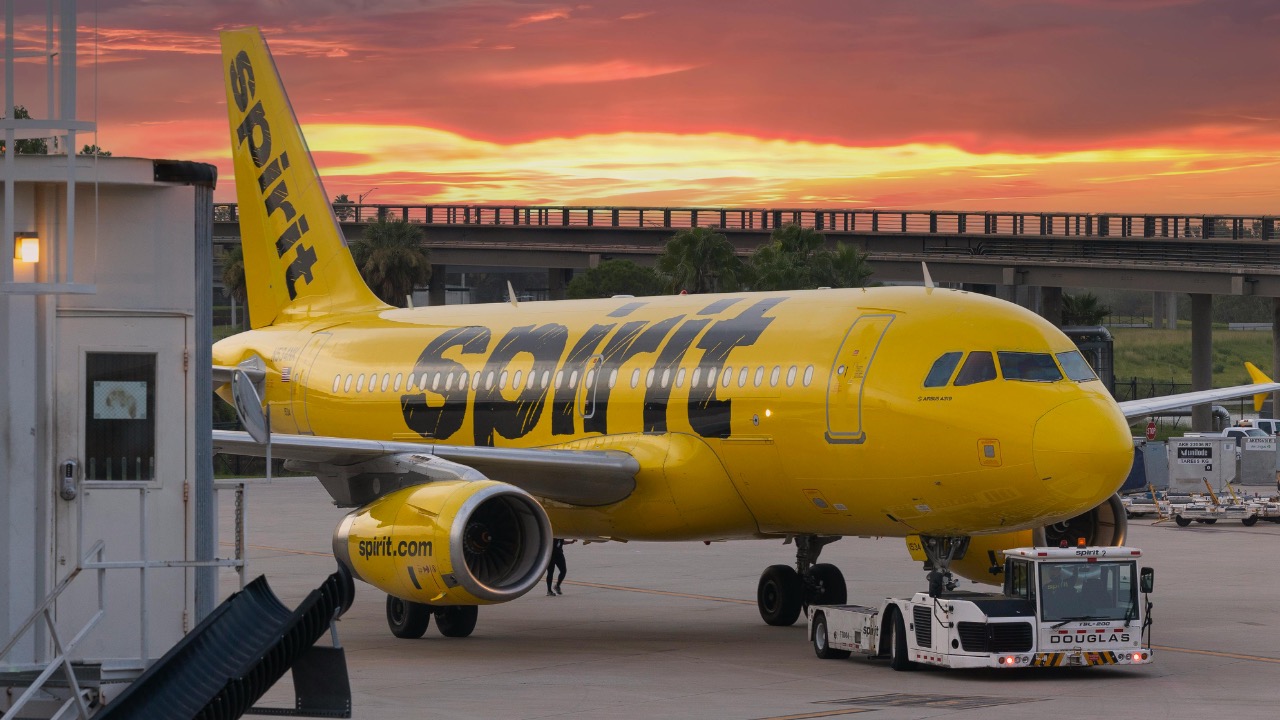
If you follow air travel news or book flights on a budget, the headlines from early May 2026 probably stopped you cold. Spirit Airlines, the carrier known for its bright yellow planes and rock-bottom fares, has ceased all operations. After 34 years in business, the airline began an orderly wind-down on May 2, canceling every remaining flight and leaving passengers to sort out refunds and rebookings on their own. The trigger that pushed Spirit over the edge traces back to the sharp rise in jet fuel prices sparked by the conflict in Iran. Those costs doubled in a matter of weeks, wrecking the airline’s already fragile recovery plan from its second bankruptcy filing. What looked like a long-simmering financial struggle turned into an abrupt end for one of the country’s largest discount carriers.
Spirit’s Long Road to Shutdown
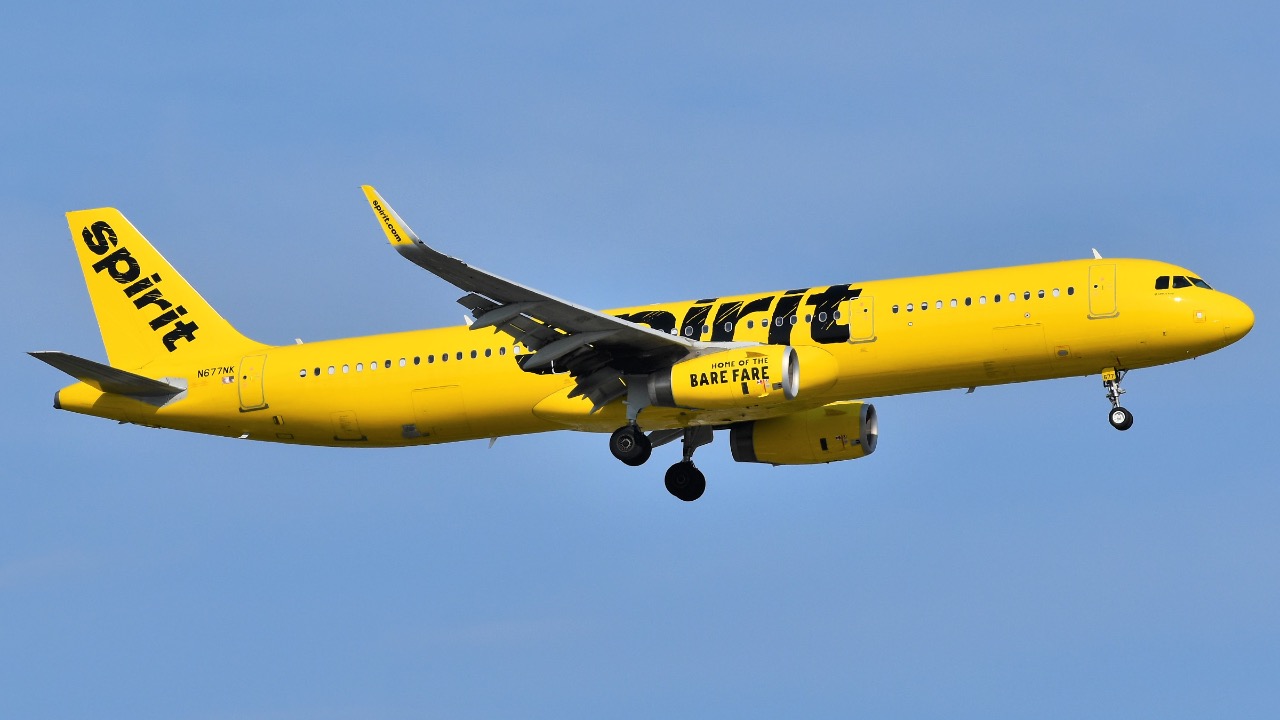
Spirit entered its second Chapter 11 bankruptcy in August 2025 after years of mounting losses. The airline had warned investors repeatedly about cash shortages and an uncertain path forward. By early 2026 executives thought they had a workable restructuring deal with creditors that would let the company emerge smaller but viable by summer. That plan counted on stable fuel prices around two dollars and change per gallon. When the Iran conflict disrupted global oil supplies, jet fuel costs climbed past four dollars a gallon in many markets. Spirit’s projections collapsed overnight. The board weighed every option, including a proposed federal lifeline, but talks broke down. On May 2 the airline told the public it had no choice but to stop flying. For anyone who had relied on Spirit for affordable trips to Florida or Las Vegas, the news arrived without warning.
Fuel Costs That No One Saw Coming
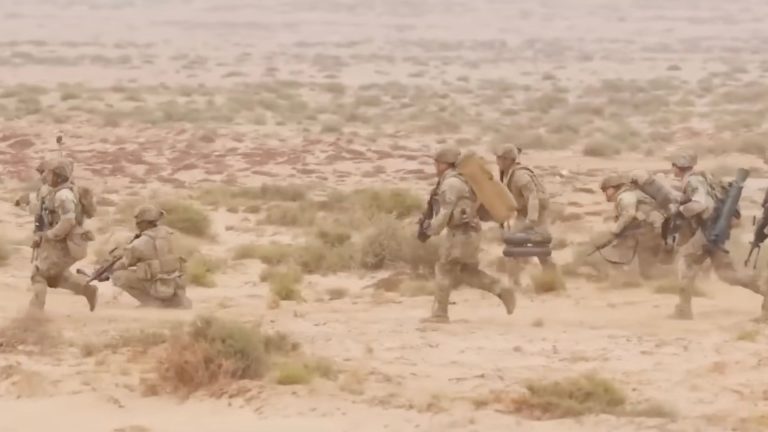
The war in Iran sent shock waves through energy markets starting in late February. Crude oil supplies tightened as fighting affected key shipping routes through the Strait of Hormuz. Jet fuel, refined from that crude, followed the same steep curve. Prices in the United States rose about seventy percent in two months, far outpacing earlier forecasts. Even though the country produces plenty of its own fuel, the global market sets the benchmark, and carriers everywhere felt the pinch. Spirit’s business model left almost no margin for error. Every extra dollar per gallon added millions to its monthly expenses. Other airlines could hedge or pass costs to customers through higher fares and bag fees. Spirit, already deep in restructuring, had no room left to maneuver.
How Budget Carriers Took the Hardest Hit
Low-cost airlines operate on thin margins by design. They pack planes full, charge for everything from seats to water, and keep overhead low. That approach works when fuel stays predictable. When prices spike, the math changes fast. Spirit had grounded planes and cut routes even before the latest crisis, trying to conserve cash. The fuel surge erased any chance of turning the corner. Industry analysts point out that Spirit became the first major U.S. carrier to fold because of financial pressure in a generation. Larger competitors absorbed the added costs by raising ticket prices and trimming less profitable flights. Smaller players like Spirit lacked that flexibility. The result was a sudden gap in the market for the cheapest seats.
Passengers Left in the Lurch
If you held a Spirit ticket for May or June, you woke up to canceled flights and a website directing you to file for refunds. The airline stopped answering phones and shifted customer service to a bare-bones process handled through bankruptcy court. Federal rules require automatic refunds for canceled flights, but the timeline stretches out when a company is liquidating assets. Many travelers turned to credit card chargebacks or travel insurance claims. Airports scrambled to rebook passengers on other carriers, sometimes at higher prices. The Department of Transportation worked with remaining airlines to offer capped fares and priority seating where possible. Still, thousands of people faced extra costs and rearranged plans at the last minute.
The Bailout That Never Happened
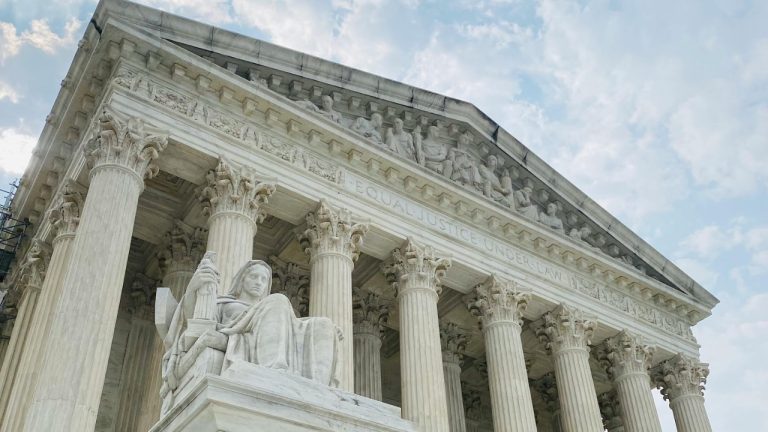
The Trump administration floated a five-hundred-million-dollar rescue package that would have given the government a large equity stake in Spirit. Officials saw the collapse as a threat to competition in the low-fare segment. Creditors, however, could not reach consensus on the terms. A final board meeting in early May ended without agreement. Transportation Secretary Sean Duffy later noted that Spirit’s troubles ran deeper than the fuel spike alone. The failed merger with JetBlue years earlier, repeated bankruptcies, and a tough competitive landscape had left the airline vulnerable long before Iran made headlines. Without fresh capital, the wind-down became inevitable.
Workers Face an Uncertain Future
Spirit employed thousands of pilots, flight attendants, ground crew, and maintenance staff across its network. The shutdown means immediate job losses for most of them. Some senior pilots may find spots at other carriers, but the sudden nature of the closure left little time for orderly transitions. Unions had pushed hard during bankruptcy talks to protect wages and seniority. Now those efforts shift to severance negotiations in court. The broader aviation labor market remains tight in some areas, yet the influx of experienced Spirit workers could soften the blow for airlines looking to expand. For the people who wore the yellow uniforms every day, the end arrived faster than anyone expected.
Wider Ripples in the Skies
The fuel price surge has forced every U.S. carrier to adjust. Major airlines have raised fares multiple times and cut millions of seats from summer schedules. International routes feel the pressure even more because of higher long-haul costs. Budget travelers notice the difference first: fewer cheap options and steeper add-on fees. Industry groups warn that sustained high fuel prices could slow the post-pandemic recovery in leisure travel. At the same time, the loss of Spirit creates opportunities for other low-cost players to pick up routes. The market will shift, but the immediate effect is less choice and higher prices for many routes that once relied on Spirit’s aggressive discounting.
What Comes Next for Budget Flying
Travelers who counted on Spirit will adapt by shopping earlier, accepting fewer direct flights, or paying more for the remaining seats. Regulators are monitoring the industry closely to prevent further disruptions. Some analysts believe the episode highlights the need for stronger fuel hedging strategies across the sector. Others see it as a sign that ultra-low-cost models face new limits when external shocks hit. Whatever the long-term outcome, the sudden disappearance of Spirit marks a turning point. The yellow planes that once filled airports from coast to coast now sit idle, and the low-fare landscape looks noticeably different. For now, passengers are left figuring out their next move one rebooking at a time.

Asher was raised in the woods and on the water, and it shows. He’s logged more hours behind a rifle and under a heavy pack than most men twice his age.