Corpus Christi Prepares for Potential Water Emergency as Drought Deepens in South Texas
Corpus Christi is facing growing concern over its water supply as a long-running drought continues to drain reservoirs across South Texas. Local officials have warned that the city could be approaching a formal water emergency if conditions don’t improve, putting pressure on both residents and major industries that depend on steady water access.
The situation has been building for years, not just months. A prolonged drought combined with rising demand has pushed the system closer to its limits, forcing leaders to consider stricter conservation measures and emergency planning to avoid a full-scale shortage.
Reservoir levels and drought conditions
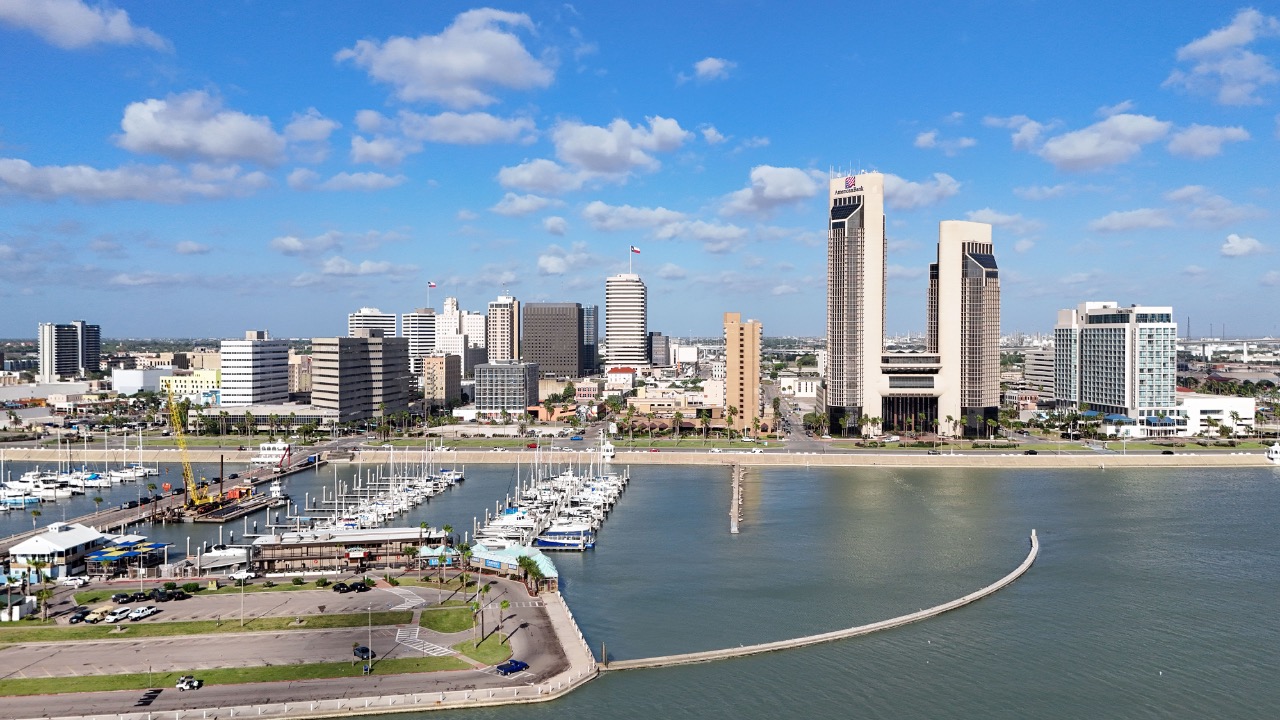
The core issue comes down to supply. Key reservoirs that serve Corpus Christi have dropped to critically low levels after years of below-average rainfall. In some cases, combined water sources have fallen into single-digit capacity percentages, raising alarms about how long current supplies can last.
This isn’t a sudden crisis either. The region has been dealing with drought conditions for most of the past seven years, which means reservoirs never fully recovered between dry periods. That slow decline has now reached a point where officials are openly discussing emergency scenarios.
What a water emergency would actually mean
A “water emergency” doesn’t mean the city instantly runs out of water, but it does signal that supply may not be able to meet demand in the near future. In Corpus Christi’s case, a Level 1 emergency is triggered when the city is within about six months of not being able to meet its needs.
If that threshold is reached, residents and businesses could face stricter limits on usage. Plans under discussion include requiring significant reductions in water consumption, with some proposals suggesting cuts of around 25% or more across different users.
Impact on residents and daily life
For everyday residents, the effects are already starting to show. Outdoor watering has been restricted, and people are adjusting habits like lawn care, car washing, and even how often they use water inside their homes. These changes may seem small individually, but across a city, they play a big role in extending supply.
If the situation worsens, restrictions could become more noticeable. That could include limits on monthly usage, higher penalties for going over set amounts, and stricter enforcement of conservation rules as officials try to stretch available resources.
Industrial demand adds pressure
One of the biggest challenges is that Corpus Christi isn’t just a residential city — it’s a major industrial hub. The region supports refineries, petrochemical plants, and one of the busiest energy ports in the country, all of which require large amounts of water to operate.
This creates a difficult balance. Industrial activity supports jobs and the broader economy, but it also consumes a significant portion of the available water supply. That tension has become a major part of the conversation as leaders decide how to distribute limited resources.
Efforts to avoid the worst-case scenario
City and state officials have been working on multiple solutions to avoid a full emergency. These include drilling additional wells, expanding groundwater access, and revisiting long-term projects like desalination plants to create new water sources.
However, some of these efforts haven’t delivered as much water as expected, which has made the timeline more uncertain. Without significant rainfall or new supply coming online quickly, officials are left managing demand rather than dramatically increasing supply in the short term.
A warning sign for the rest of Texas
What’s happening in Corpus Christi isn’t just a local issue — it’s being viewed as an early warning for other parts of Texas. Rapid growth, combined with climate patterns and infrastructure challenges, is putting pressure on water systems across the state.
For now, Corpus Christi is trying to stay ahead of a full emergency. But with reservoir levels low and demand still high, the situation remains uncertain. What happens next will depend largely on weather conditions, conservation efforts, and how quickly new water sources can be brought online.

Leo’s been tracking game and tuning gear since he could stand upright. He’s sharp, driven, and knows how to keep things running when conditions turn.