Tactical shotguns are popular — but most shooters don’t need them
Tactical shotguns look good on a rack and even better on social media, which is why so many new shooters reach for them first. The reality is that most people would be better served by a basic field gun or a modestly set up pump that can pull double duty. I have spent enough time behind both styles to know that the “tactical” label solves a narrow set of problems, and a lot of shooters simply do not have those problems.
The trick is matching the gun to the job instead of chasing aesthetics. Once you understand what tactical shotguns are built to do, and where a standard hunting model shines, it becomes clear that the more boring option is often the smarter buy.
What “tactical” really means on a shotgun
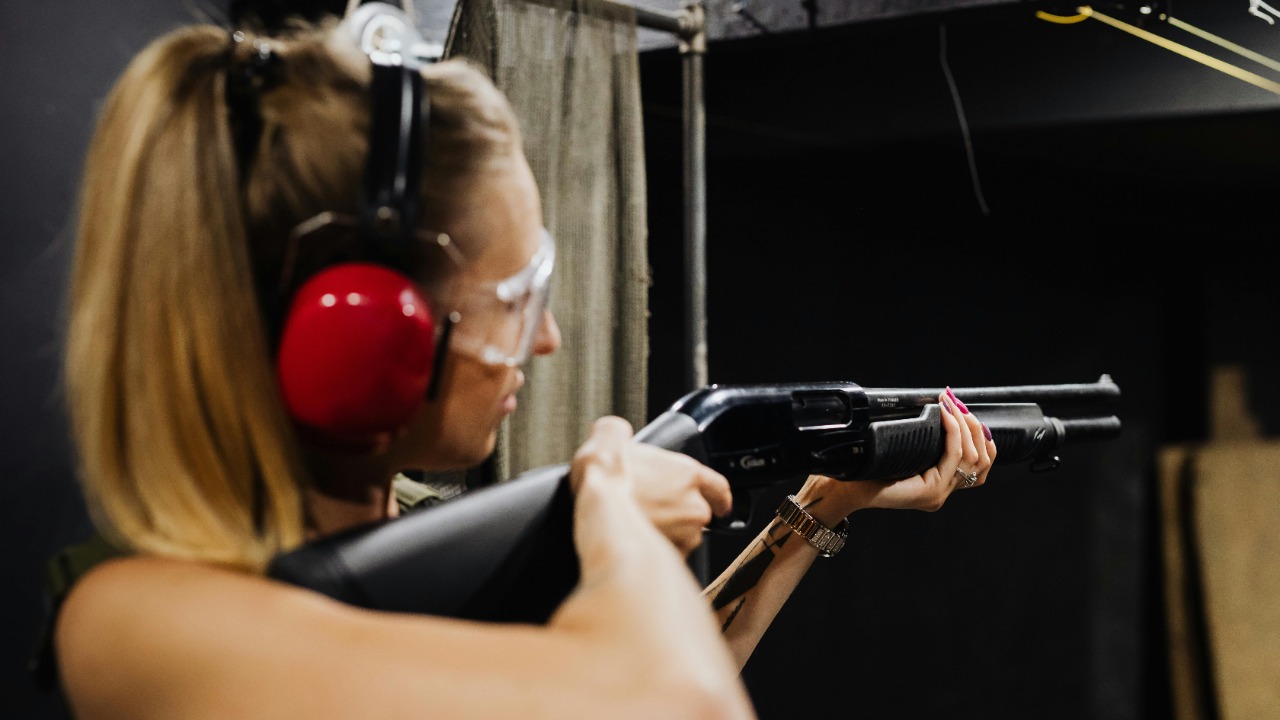
When people say “tactical shotgun,” they are usually talking about a short, fast-handling gun set up for close quarters. Typical defensive models run 18 to 20 inch barrels, compact stocks, and controls that favor quick manipulation inside a hallway instead of a duck blind. That shorter barrel and handier profile is exactly why a lot of home-defense shotguns are built this way, with designs that emphasize quick mounting and maneuvering in tight spaces.
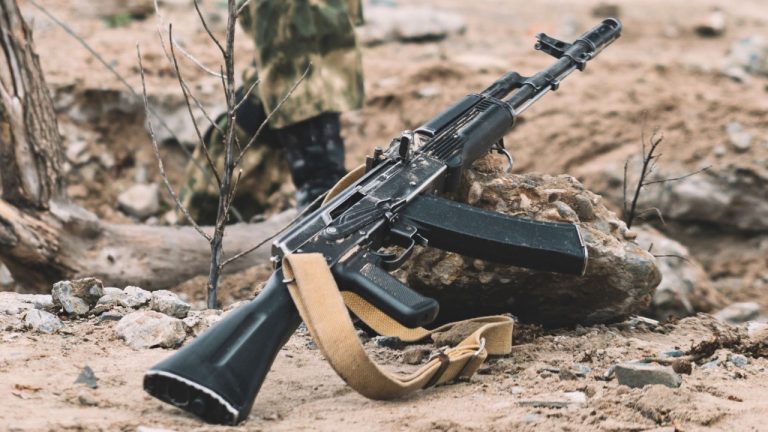
Purpose-built defensive guns are not just field models in dark paint, they are configured from the ground up for self-defense and law enforcement roles. Many of these tactical shotguns are Built for higher round counts, rough handling, and accessories like lights and optics that matter in home defense and tactical scenarios. When I look at these guns, I see specialized tools, not default choices for every shooter who wants a scattergun.
How tactical and hunting shotguns actually differ
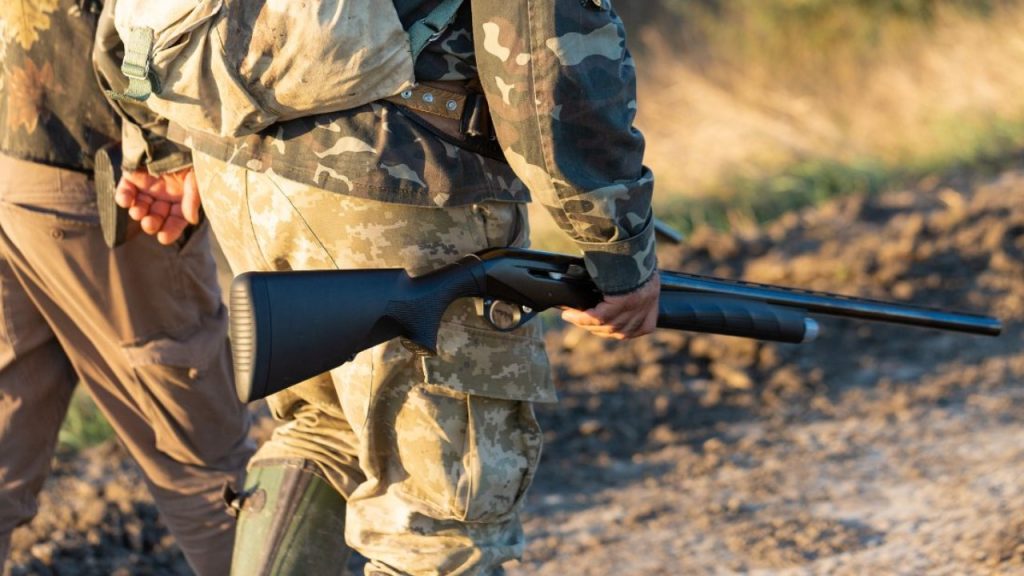
On paper, a shotgun is a shotgun, but the way they are set up for different jobs could not be more distinct. Typical hunting shotguns wear longer barrels, often in the 26 to 30 inch range, which smooths out the swing on crossing birds and gives you a longer sighting plane. Defensive models, by contrast, keep barrels around 18 to 20 inches, and that difference in length changes how the gun feels in the hands and how it moves through brush or doorways.
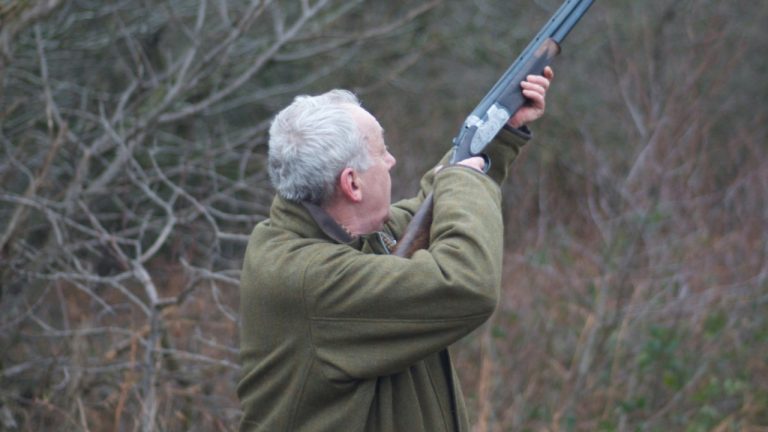
The furniture and controls tell the same story. Many defensive builds add pistol grips and adjustable stocks to improve control in awkward positions, while field guns lean on traditional stocks that carry better and mount naturally in the marsh. One comparison of Hunting and tactical shotguns points out that each configuration is tailored to its intended use, and that hunting models excel at sustained, accurate fire on game. When I am chasing roosters or sitting in a blind, those longer, steadier guns are exactly what I want.
Most shooters’ real needs: birds, clays, and the occasional bump in the night
When I talk to new gun owners, their actual use cases are usually pretty modest. They want to shoot a few rounds of trap, maybe chase turkeys or ducks, and have something in the corner in case a door gets kicked at three in the morning. For that mix of tasks, a straightforward hunting shotgun with a vent-rib barrel and screw-in chokes is hard to beat. A classic 12 gauge can handle everything from small game to deer, and one guide to What To Hunt a Shotgun notes that the platform is a standout choice for versatile hunting roles.
That same field gun can still work for home defense, even if it is not optimized for tight hallways. One self-defense overview points out that While a hunting shotgun will work for home defense, its longer barrel is not ideal indoors compared with an 18 inch defensive setup with higher capacity. That is a fair criticism, but for a lot of people, the tradeoff is worth it. I would rather see a new shooter buy one quality field gun, learn it well, and accept a slightly longer barrel in the bedroom than stretch their budget on a second, specialized tactical rig they barely train with.
Training, recoil, and the myth of the “easy” tactical shotgun
There is a persistent myth that a tactical shotgun is a point-and-click solution that forgives sloppy shooting. The reality is that a shotgun is an aimed weapon, even with buckshot, and it is almost as easy to miss with one as it is with a rifle. One seasoned breakdown of defensive scatterguns flatly states that a shotgun is an aimed weapon, and that pattern spread at indoor distances is far smaller than most people imagine. In my experience, that surprises a lot of new owners who thought the gun would “cover the whole room.”
Real-world shooters echo the same point. One discussion of tactical guns notes that All that aside, shotguns need more training, and They are harder to shoot than ARs and PCCs, especially when you factor in recoil and the work of running a pump under stress. Another commenter reminds a new owner that Your 870 was optimized for shooting at fast moving airborne things, and You probably do not actually want to reconfigure it into something it was never meant to be. I agree with that sentiment. A tactical stock and side saddle do not magically make a shotgun easier to run; only reps on the range do that.
Where tactical shotguns shine, and where they are overkill
There are places where a true tactical shotgun earns its keep. Law enforcement agencies still rely on them for breaching, less-lethal munitions, and close-range stopping power that a patrol rifle cannot always match. One law enforcement focused analysis notes that When some folks talk about the versatility of the shotgun, they mean its ability to deploy less-lethal rounds as well as buckshot and slugs, provided there is competent training behind it. That is a very different mission set than guarding a nightstand.
For the average homeowner, the calculus is different. A recent look at the defensive market asks bluntly, Are They Overrated and points out that modern ammunition and other platforms have changed the landscape. I see a lot of people buying heavy, accessory-laden shotguns that are harder to store, slower to mount, and more punishing to practice with than they expected. For them, a lighter field gun with a shorter barrel or a modest defensive configuration would be more practical than a full tactical build that looks like it belongs in a cruiser rack.
Field guns that pull double duty
One of the strongest arguments against rushing into a tactical shotgun is how capable a basic pump can be with the right setup. The Remington 870 has been a workhorse for decades, and one overview notes that The Remington 870 is known for reliability, durability, and versatility, which is exactly what most shooters need. The Mossb 500 is described in the same breath as a go-to for hunting, home defense, and sport shooting, and that kind of crossover value matters when you are buying one gun to do almost everything.
Manufacturers have leaned into that versatility with combo packages and modular parts. One breakdown of FIELD COMBOS for the Mossberg 500 points out that When you cannot decide which option from the Mossberg series to choose, you can buy a kit that includes both defensive and hunting barrels. I have run those setups myself, and swapping from a short cylinder bore tube to a 28 inch vent-rib barrel turns the same receiver from a hallway gun into a dove gun in a couple of minutes.
Smart upgrades instead of full tactical builds
Instead of chasing a factory tactical model, I usually suggest people start with a solid pump and add only the upgrades that actually help them. A simple light, a shorter stock that fits their frame, and maybe a side saddle for a few extra shells go a long way. One shooter describes how they took a However, Mossberg 500 and made some changes to make it more friendly for self-defense while still keeping a 28 inch vented rib barrel for field use. That kind of balanced approach keeps the gun useful across seasons instead of locking it into one narrow role.
Factory defensive models can still make sense if you know exactly what you want. A range-tested roundup of home-defense guns highlights the value-packed A300 Ultima Patrol and notes that Want even more performance than the Ultima Patrol can offer, The Beretta 1301 is one of the best semiauto tactical shotguns available. Those are excellent tools, but they are also specialized and not cheap. For a new shooter who still needs a gun for pheasants or clays, I would rather see that money go into ammo and instruction on a more versatile platform.
Handling, weight, and what really matters in a defensive shotgun
When you strip away marketing, the things that matter in a defensive shotgun are fit, handling, and reliability. A comparison of Key Differences Between points out that weight, extended magazines, and reinforced barrels all change how a gun carries and swings. Heavier tactical builds soak up recoil but can be slower to mount and more tiring to hold on target, especially for smaller shooters. I have watched plenty of people struggle with a fully loaded, rail-covered pump that looked great on paper but felt like a boat anchor in their hands.
Action type matters too. A thoughtful look at defensive pumps asks, Is the pump gun still relevant and concludes that while a semiauto is faster, a pump remains a viable, durable choice if the shooter trains with it. I share that view. A smooth, well-practiced pump that fits you is far more valuable than a high-end tactical semi-auto you barely shoot. The gun that comes to your shoulder naturally and cycles every time is the one that will matter when you are half awake and under stress.
Choosing the right shotgun for your reality
When I look at the current market, I see tactical shotguns everywhere, but I also see a lot of shooters whose lives look nothing like a breaching stack or a SWAT callout. One detailed guide to Key Features of notes that these guns are built for durability and sustained use in harsh conditions, which is great if you are running drills every week or carrying the gun professionally. For the average homeowner who might shoot a few boxes a year, that level of specialization is rarely necessary.
The better approach is to be honest about what you will actually do with the gun. If your calendar is full of duck openers, turkey seasons, and summer clay leagues, a field gun should be your baseline, with maybe a shorter barrel or a few defensive upgrades added later. One practical overview of when to pick each style concludes that you should match the shotgun to the task at hand, and that advice lines up with everything I have seen. As one summary of When you Choose a Tactical Shotgun puts it, Tactical models excel in close quarters, but hunting guns remain the better choice for most field work. If you start from that simple truth, it becomes clear that while tactical shotguns are popular, most shooters do not actually need one.

Asher was raised in the woods and on the water, and it shows. He’s logged more hours behind a rifle and under a heavy pack than most men twice his age.