Taiwan fires dozens of US-made missiles at China from mobile ‘shoot and scoot’ launchers in first show of force
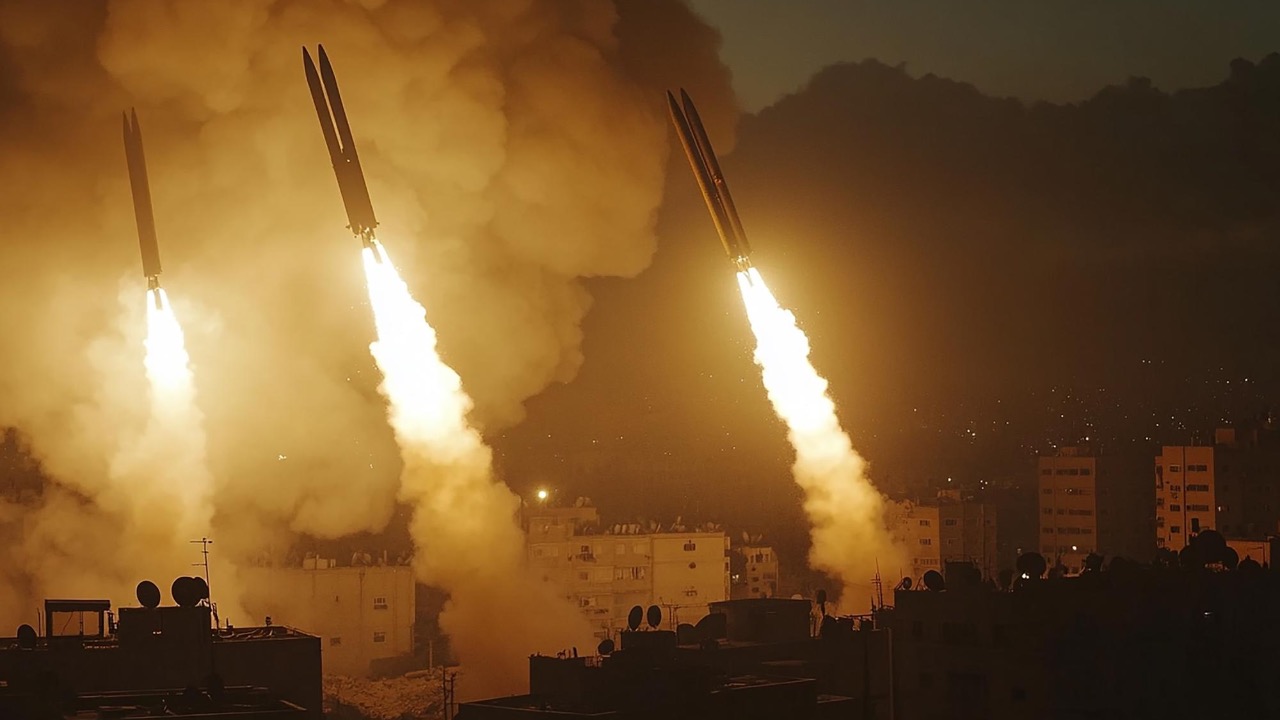
Taiwan’s military put on a pointed display this week, sending dozens of rockets from U.S.-made mobile launchers straight toward the waters separating the island from China. The live-fire exercise in central Taiwan’s Taichung area highlighted the growing emphasis on quick, survivable strikes that could complicate any attempt at invasion. It comes at a time of steady pressure from Beijing, with drills like this underscoring how Taiwan is sharpening its tools to buy precious time in a potential conflict.
The High Mobility Artillery Rocket System, or HIMARS, took center stage. Troops practiced the full sequence of moving into position, locking onto targets, and launching before rapidly relocating—all in under three minutes. This kind of rehearsal sends a clear signal about preparedness without crossing into unnecessary provocation.
Taiwan Puts Mobile Rocket Systems to the Test
In the muddy flats near Taichung, soldiers from the Army’s 10th Corps executed the drill with practiced efficiency. The HIMARS launchers rolled out, fired their rockets in bright flashes, and then pulled back quickly to simulated safety. This marked the first time the system launched toward the Taiwan Strait from Taiwan’s western coast, the side most exposed to a potential crossing from the mainland.
Observers noted the precision and speed on display. The exercise formed part of broader coastal defense training that also involved howitzers and other artillery. By focusing on rapid response near likely landing zones, Taiwan showed how it plans to disrupt an amphibious assault before it gains momentum. The choice of location carried extra weight, directly facing the strait where any invasion fleet would have to operate.
What Makes the HIMARS Effective in This Scenario
The truck-mounted system gives Taiwan a flexible option that is hard for an adversary to pin down. After launching, crews can move to new positions, making it tough for enemy radar or counter-battery fire to respond in time. This shoot-and-scoot approach draws from lessons seen in other conflicts where mobility has proven decisive against larger forces.
Taiwan received the HIMARS through U.S. support and tested it previously on the eastern side of the island. Wednesday’s drill on the west coast represented a step forward in integrating the weapon into plans for defending the most vulnerable approaches. The rockets offer range and accuracy suited to striking targets across the strait while keeping the launchers themselves elusive.
Rising Tensions Drive Taiwan’s Defense Adjustments
China has kept up regular military activity around Taiwan, including large-scale exercises that practice blockades and other pressure tactics. In response, Taiwan continues to refine its asymmetric strategies—using smarter, more affordable systems rather than trying to match China’s overall firepower head-on.
This latest exercise fits into a pattern of steady improvements. Officials have spoken about creating kill zones in the strait and along the coast to make any invasion attempt extremely costly. The timing, coming amid other regional developments, reinforces Taiwan’s commitment to deterrence through visible readiness.
How This Fits Into Broader Regional Dynamics
Allies and partners watch these developments closely, as stability in the Taiwan Strait matters far beyond the immediate area. The United States has backed Taiwan’s shift toward more mobile, resilient capabilities that align with wider efforts to maintain balance in the Indo-Pacific. HIMARS has proven its value in places like Ukraine, adding credibility to its role here.
For Taiwan, the drill serves both practical training and a message of resolve. It demonstrates that the island can strike back effectively even under pressure, without escalating beyond defensive posturing. As tensions persist, such exercises help refine tactics while signaling that any aggressive move would face serious obstacles from the start.
Looking Ahead on Taiwan’s Security Path
Taiwan’s military leaders continue investing in systems and training that emphasize speed, dispersion, and precision. The goal remains clear: make any potential conflict too risky and complicated for the other side to pursue lightly. Wednesday’s successful firing of the HIMARS adds another layer to that approach.
These steps reflect a calculated response to the challenges at hand. While no one wants conflict, the visible progress in Taiwan’s defenses helps shape the calculations in Beijing and beyond. The island continues to build the kind of capabilities that could make the difference in preserving its autonomy.

Asher was raised in the woods and on the water, and it shows. He’s logged more hours behind a rifle and under a heavy pack than most men twice his age.