The carry pistols that quietly dominate everyday carry holsters
Inside gun shops and training classes, a small group of pistols keeps showing up on belts and in inside-the-waistband holsters. They are not always the flashiest new releases, but they combine size, capacity, and reliability in a way that quietly shapes what everyday carry looks like in 2026. The models that dominate real-world carry tend to solve the same problem: how to carry enough gun to trust while hiding it under normal clothes for a full day.
What makes a pistol a true everyday carry workhorse
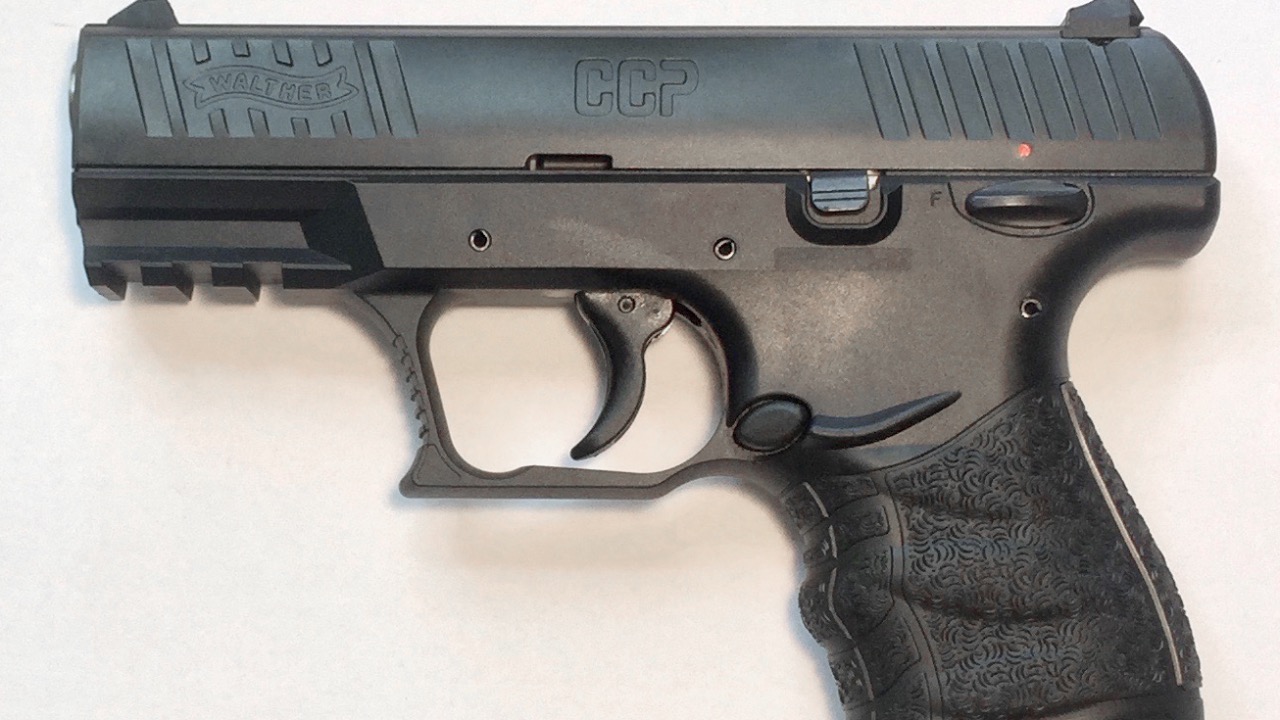
Across recent buyer guides and expert roundups, the same criteria keep surfacing for a dependable everyday carry pistol. Size and concealability come first. One analysis of the Size and Concealabil of current handguns frames the ideal as a pistol that disappears under a T-shirt yet still fills the hand enough for controlled shooting. That balance is why micro-compacts with near-compact capacity have become the benchmark.
Capacity sits right behind size. Modern micro 9 mm pistols now ship with double-stack magazines that hold 10 to 17 rounds, a sharp change from the single-stack 6 or 7 round designs that once defined small carry guns. At the same time, state rules limit magazine size in some jurisdictions, which pushes buyers to think carefully about the trade-offs. A guide that focuses on Magazine Capacity and describes this as a balance between maximizing protection and staying within local law, and highlights how a slightly thicker grip can unlock several extra rounds.
Reliability and durability are treated as non-negotiable. A breakdown of what matters most in an EDC pistol labels one core section Reliability and Durability and makes the point that a carry gun must function every time, even after sweat, lint, and thousands of rounds. That is why the same handful of brands and models, with long track records and huge aftermarket support, dominate holsters even when newer designs appear.
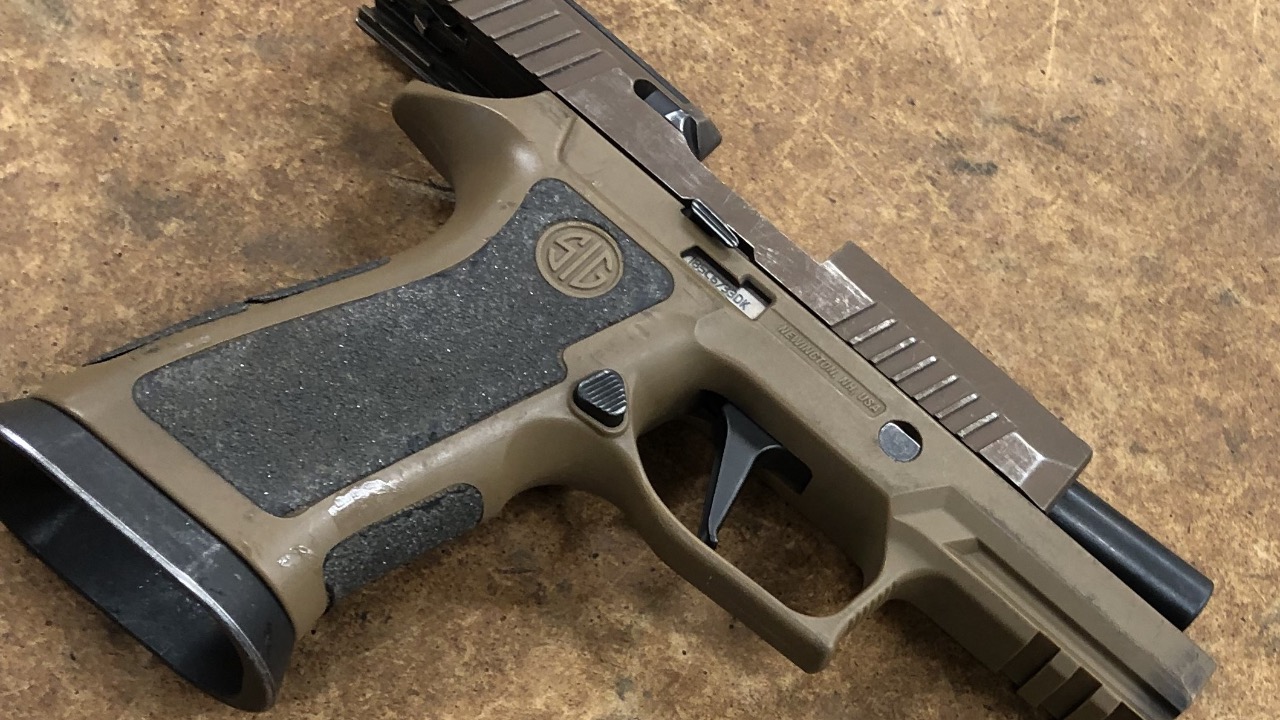
The micro-compact revolution and the Sig Sauer P365 family
The single biggest shift in carry pistols over the last few years has been the rise of the high-capacity micro-compact. Many reviewers point to the Sig Sauer P365 as the pistol that reset expectations. A detailed comparison of Best Micro Subcompact credits the Ruger LCP MAX and similar models as evolutions in .380, but singles out what the P365 did for 9 mm concealed carry by fitting double-digit capacity into a footprint that once meant a much smaller magazine.
Later variants like the P365 XL and X-Macro extended that formula. An extensive test list of Best Overall CCW names the Sig Sauer P365 X-Macro Comp as a top all-around choice, pointing to its 17+1 capacity in a package still small enough for concealed carry. That kind of capacity used to require a duty-size pistol. Now it rides in appendix holsters under polos and hoodies.
For many shooters, the core P365 remains the sweet spot. A guide to the best concealed carry notes that the P365 offers a short grip for concealment, a manageable trigger, and enough magazine options to serve as both deep-concealment and home-defense pistol. That flexibility explains why it appears in so many holster-maker fit charts and training class lineups.
Glock’s enduring grip on everyday carry
If Sig Sauer defined the modern micro-compact, Glock still anchors the broader carry market. Compact and slimline Glock pistols appear across almost every list of recommended handguns. A broad survey of best concealed carryhighlights models like the Glock 19 and Glock 43X, which combine familiar controls, a simple striker-fired system, and a deep pool of holsters and spare parts.
Seasonal guides echo that pattern. A summer-focused breakdown of Glock options puts the Glock 43X near the top for hot-weather carry, pointing to its thin profile and longer grip that still hides under light clothing. That combination of shootability and concealment is why it has become a fixture in inside-the-waistband holsters.
Even full-size Glock models appear in carry discussions. A guide to best conceal and includes the Glock 22 Gen4 in .40 S&W and notes that its full-size frame provides enhanced control, stability, and accuracy, especially during extended range sessions. The reference to .40 S&W and the description of how the full-size frame provides better handling underline that some carriers still prioritize shootability over minimal size, particularly when they can dress around the gun.
Looking ahead, one analysis of What New for points to the Glock Gen 6 launch of updated G17, G19, G45, and G49 models. Those pistols are expected to refine ergonomics and optics readiness, which could further cement Glock’s position on belts and in duty-to-carry crossover roles.
Smith & Wesson, Ruger, and the classic small-gun formula
While high-capacity micro 9 mm pistols dominate headlines, traditional small guns still occupy a large share of pockets and ankle holsters. One breakdown of Best Concealed Carry lists the Ruger LCP MAX among the Best Micro Subcompact Handguns and describes it as the next evolution of Ruger pocket pistols. The LCP MAX squeezes more rounds into the .380 format that many carriers still choose for deep concealment and extremely light weight.
Smith & Wesson plays a similar role in the small-gun space. A guide to the Best Concealed Carry leads off with the Smith & Wesson Bodyguard 2.0, noting that the original Smith & Wesson Bodyguard helped define the ultra-compact defensive pistol. For new carriers, pairing that pistol with appropriate defensive ammunition offers a manageable introduction to recoil and concealment.
Smith & Wesson’s Shield series, particularly the Shield Plus, also appears frequently in modern carry lists. In warm-weather recommendations, the Shield Plus is grouped alongside the Glock 43X as a slim, easy-to-hide option that still offers more capacity than older single-stack designs. That continuity from Bodyguard to Shield Plus shows how the company has followed the same trajectory as the market: from tiny, low-capacity pistols toward slightly larger, higher-capacity guns that remain easy to carry all day.
Shadow Systems, PSA, and the rise of enthusiast-focused carry guns
Beyond the big brands, several enthusiast-oriented makers have carved out a niche with feature-rich pistols designed from the ground up for concealed carry. A detailed roundup of Best Concealed Carry names the Editor Pick Shadow Systems CR920XP as a standout, with a barrel length of 3.65 inches and a design that blends Glock-style internals with upgraded ergonomics and optics-ready slides. That kind of pistol appeals to carriers who want duty-grade features in a smaller footprint.
Budget-conscious shooters have gravitated toward Palmetto State Armory’s Dagger line. The same guide lists a Budget Editor pick built on the PSA Dagger platform, and a separate review of PSA Micro Dagger describes how this model is built specifically for deep concealment with a shorter grip, thinner profile, and compact frame. The Micro Dagger’s ability to use higher-capacity magazines while remaining slim gives carriers a modular system that can shift from discreet daily use to higher capacity at home or on the range.
These enthusiast-focused pistols do not yet match Glock or Sig Sauer in raw sales, but they show up frequently in training circles and among shooters who tailor their carry guns with optics, compensators, and custom triggers. Their presence on best-of lists signals that the market is no longer limited to a handful of legacy designs.
How trainers pair pistols, holsters, and ammo for new carriers
For new shooters, the pistol is only one part of an everyday carry setup. A guide that collects the Best Concealed Carryemphasizes pairing compact pistols like the Smith & Wesson Bodyguard with specific holsters and defensive ammunition. The idea is to build a system that balances draw speed, comfort, and recoil control rather than chasing the smallest possible gun.
Ammo makers and training organizations also stress education and safe handling. A set of resources linked through education and safety materials, discovered via the same combo guide, highlights how instruction on storage, range behavior, and legal responsibilities fits into the carry conversation. That context matters because many of the pistols that dominate holsters are also the first firearms new owners purchase.
Holster choice remains another quiet factor in which pistols succeed. Models like the Glock 19, Glock 43X, Sig Sauer P365, and Ruger LCP MAX benefit from a vast ecosystem of inside-the-waistband, appendix, and pocket holsters. Manufacturers and reviewers point out that a gun that feels too large in a generic holster can carry very differently in a purpose-built rig with proper ride height and cant.
Capacity, law, and the quiet trade-offs carriers make
Capacity debates rarely play out on social media in the same way they do in gun shops. Guides that focus on Maximizing Protection Within frame the question in practical terms. Higher capacity brings more weight and a thicker grip, which can print under clothing or dig into the body when seated. At the same time, state limits on magazine size mean some carriers choose platforms that accept compliant magazines without giving up ergonomics.
Many of the most carried pistols sit in the middle of that spectrum. The Glock 19, Sig Sauer P365 X-Macro, and Shadow Systems CR920XP all offer double-digit capacity while remaining compact. Pocket pistols like the Ruger LCP MAX and Smith & Wesson Bodyguard 2.0 give up capacity for extreme concealment, which appeals to carriers who prioritize discretion above all else or who face strict dress codes.
Training professionals often advise that carriers shoot their chosen pistol extensively with both practice and defensive ammunition, then decide whether the capacity, recoil, and concealment profile fit their real life. That process explains why some individuals move from very small .380 pistols to slightly larger 9 mm micro-compacts once they gain confidence, while others stay with the smallest guns for specific roles like backup or deep concealment.
How social media and gear culture amplify certain pistols
Social media and content platforms have become a secondary driver of which pistols dominate everyday carry. Marketing campaigns and influencer reviews for specific models, including those highlighted in Discovered promotional content linked to The Best Concealed Carry Gun for 2026: Expert Reviewed, often focus on optics-ready slides, threaded barrels, and custom finishes. Those features appeal to enthusiasts who treat their carry pistol as both a tool and a hobby project.
Retailers and brands reinforce that interest through their own channels. The presence of Best Concealed Carry content on Facebook, Twitter, and Pinterest, as well as dedicated feeds for ammunition makers such as the Best Concealed Carrypage, keeps certain models in front of buyers. That visibility does not replace range time or training, but it shapes which pistols people ask to see at the gun counter.
At the same time, long-running community forums and training groups often steer new carriers back toward proven designs. Instructors tend to recommend pistols with long track records, easy parts availability, and strong manufacturer support. That feedback loop is one reason the Glock 19, Sig Sauer P365 family, Smith & Wesson Shield Plus, and Ruger LCP MAX keep appearing in holsters year after year, even as new contenders arrive.

Leo’s been tracking game and tuning gear since he could stand upright. He’s sharp, driven, and knows how to keep things running when conditions turn.