
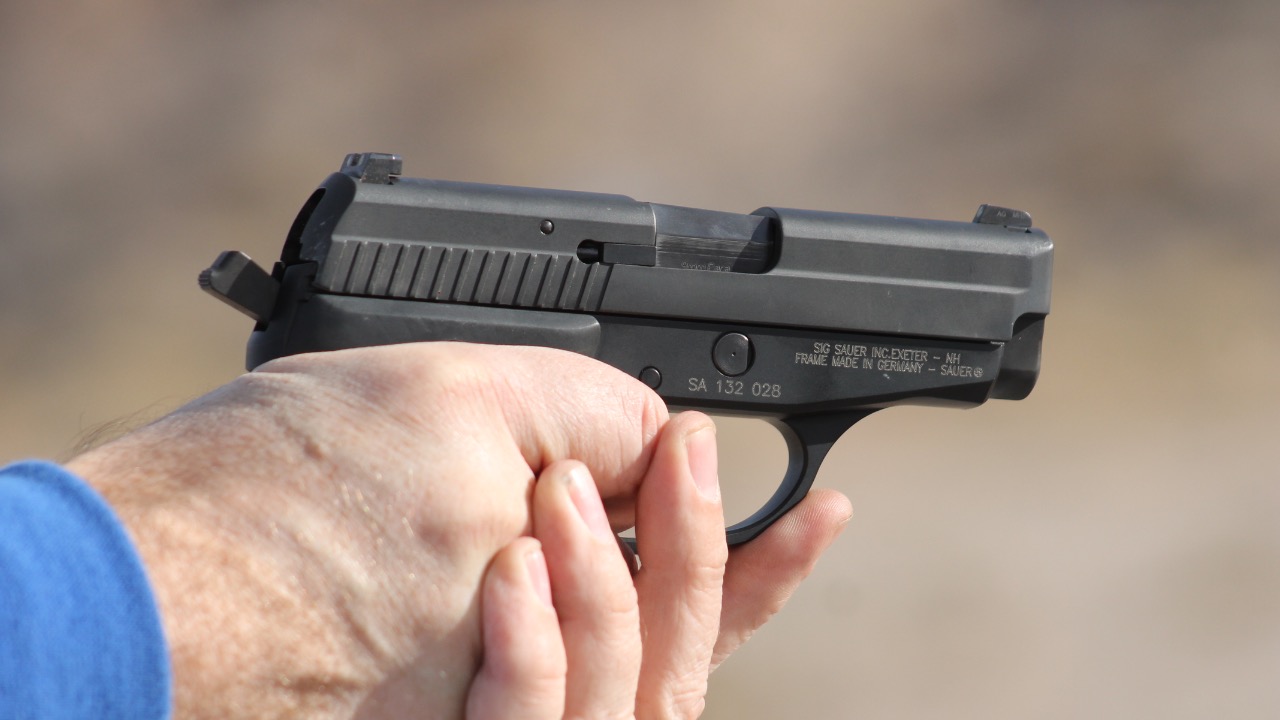
The Hidden Tradeoffs of Ultra-Light Carry Guns
Ultra-light handguns promise all-day comfort and deep concealment, but that comfort comes with engineering and human-performance compromises that are easy to underestimate. As more carriers trade steel for polymer and scandium, the line between “easy to carry” and “hard to shoot well” becomes the real question. Those hidden tradeoffs sit at the intersection of physics, training, and design, and they matter most when a split second of performance decides the outcome.
Why light guns feel great on the belt but punish on the range
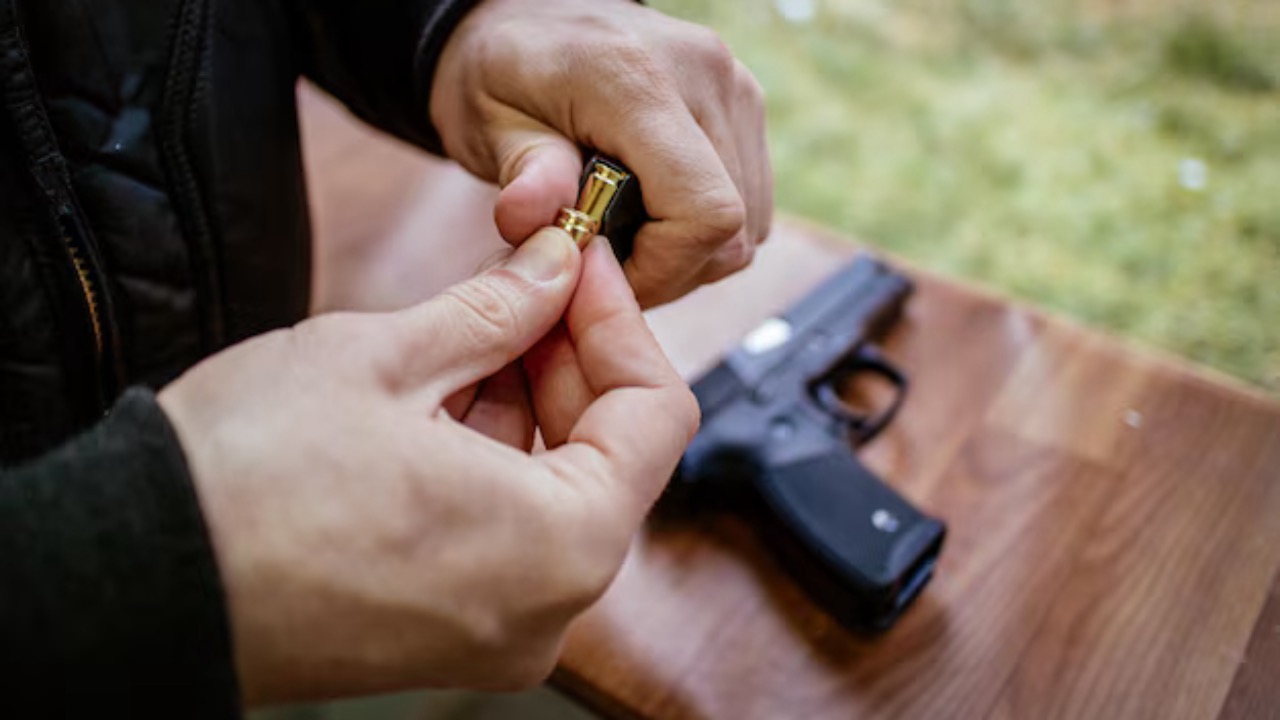
The appeal of ultra-light pistols is straightforward: less weight on the belt, less printing under clothing, and fewer excuses to leave the gun at home. Advocates of lightweight handguns point out that a pistol that actually gets carried beats a heavier gun that sits in a safe, and that many carriers moved to small frames after years of using full-size pistols in OWB rigs during professional service. The same sources describe how the Pros of Lightweight Handguns include being easy to conceal, since most ultralight guns are so compact that they rarely print under normal clothing, especially for people who do not dress around a firearm.
Physics, however, does not give anything away for free. Less mass means the frame moves more under the same cartridge impulse, which increases felt recoil and slows recovery between shots. Technical discussions of Pros of Lightweightacknowledge that while carry comfort improves, lighter pistols amplify recoil issues and impact on accuracy once the shooting starts. A related analysis of cons to lighter pistols notes that reduced mass can also increase stress in key areas of the firearm, which means manufacturers must manage durability and reliability as they shave ounces from the design.
Recoil, control, and the myth of “it kicks the same”
Many new carriers assume that if two pistols share the same caliber, they will feel similar in the hand. Experienced shooters and engineers consistently reject that idea. Contributors in a detailed thread on There explain that you have to absorb all the momentum that leaves the muzzle, and that a heavier slide and frame soak up part of that movement before it reaches the shooter. They describe how a light pistol with the same ammunition feels “snappier,” flips higher, and demands more grip strength and technique to keep sights on target for follow-up shots.
Formal training material on Cons to Lighter reaches the same conclusion from a different angle, stating that recoil issues and impact on accuracy are a significant drawback of lightweight guns. The guidance stresses that the lighter the platform, the more likely shooters are to anticipate recoil, flinch, or lose their sight picture under stress. That effect compounds when combined with short barrels, abbreviated grips, and small sights, all of which are common on ultra-light carry guns and all of which make precision at distance more difficult.
Small frames, short grips, and the problem of real-world shootability
Size and weight often move together, which is why many ultra-light pistols are also ultra-small. That combination creates a second tier of tradeoffs that only shows up on the firing line. Trainers who examine One of the hottest-selling J-frame concealed carry revolvers from Smith & Wesson for everyday use point out that the key point to be aware of is how difficult these guns are to shoot well under pressure. The same analysis notes that the very short grip of many small revolvers can shift in the hand after the first shot, which disrupts trigger control and sight alignment just when the shooter needs consistency most.
Similar concerns appear across compact semiautomatics and micro pistols. Commenters comparing full-size and concealment-focused handguns in community discussions describe how grips are often so short that the pinky finger hangs in space, which reduces leverage and makes recoil control more difficult. That problem is magnified with snappy cartridges such as .380 ACP or 9 mm in very light frames, where a reduced grip surface and narrow backstrap focus more pressure into the shooter’s palm. Training videos on why small guns are to shoot emphasize that these platforms are a little bit more challenging to shoot for absolutely everyone, not just new shooters, and that they demand more practice to reach the same level of performance that a larger pistol can provide.
Reliability, limp-wristing, and the limits of ultra-light engineering
Ultra-light carry guns also test the margins of reliability. Semiautomatic pistols rely on a balance between slide mass, recoil spring tension, and frame stability in the shooter’s hand. Training material on handguns one hand explains that if you hold some semiautomatic pistols too lightly in one hand, they will not function reliably, a malfunction commonly labeled limp-wristing. Heavier pistols with more slide and frame mass are more forgiving of an imperfect grip, while very light guns cycle faster and have less inertia to keep the slide moving through debris, weak ammunition, or compromised technique.
Designers of ultra-light rifles face a parallel problem. Coverage of Ultralight hunting platforms notes that ultralight rifles are not ideal for every hunting scenario and that they can be a challenge to shoot in some conditions because their reduced mass magnifies shooter error. The same physics applies to handguns: when designers trim every possible gram, they must balance that gain against harsher recoil, narrower reliability margins, and potentially higher stress on components over time. Even in the AR world, products such as Low Mass Operating show how reducing moving mass can cut recoil but also requires careful tuning, since while muzzle devices manage expelled gasses in an effort to control recoil forces, these systems change how much the action moves during the firing cycle.
Training, holsters, and when ultra-light actually makes sense
None of these tradeoffs mean that ultra-light pistols have no place in responsible carry. Instead, they suggest that owners should treat these guns as specialized tools that demand more training and better support gear. Instructors who discuss Some Disadvantages of suggest thinking of micro pistols as “get to my gun” guns, best used for quick trips or as backups rather than primary fighting tools. They highlight that carrying a small gun can be the difference between having a firearm or showing up unarmed, but that shooters should not ignore the reduced capacity, shorter sight radius, and increased difficulty of accurate fire that come with that choice.
Good holsters and thoughtful wardrobe choices can also mitigate some of the pressures that push people toward the smallest and lightest guns. Products such as the lightweight design of modern IWB holsters show how a well-engineered rig can distribute weight so effectively that even a compact service pistol becomes realistic for daily use. The manufacturer describes how the lightweight design does not compromise on durability or functionality, allowing the wearer to carry a firearm without feeling weighed down all day and providing a comfortable experience without distraction. Combined with realistic practice that includes one-handed shooting, low-light drills, and reloads under stress, that approach can let carriers choose a slightly larger, heavier, and more shootable pistol without sacrificing concealment.
Ultimately, the hidden cost of ultra-light carry guns is not just extra recoil or a sore hand after practice. It is the risk that a gun selected purely for comfort will be harder to control, less forgiving of imperfect technique, and more challenging to run effectively when lives are on the line. Shooters who understand those tradeoffs, study the pros of lightweight handguns alongside their cons, and then train accordingly are the ones most likely to carry a pistol that they can both live with and fight with if they ever have to.

Leo’s been tracking game and tuning gear since he could stand upright. He’s sharp, driven, and knows how to keep things running when conditions turn.


