Why deer populations are exploding in some states — and crashing in others
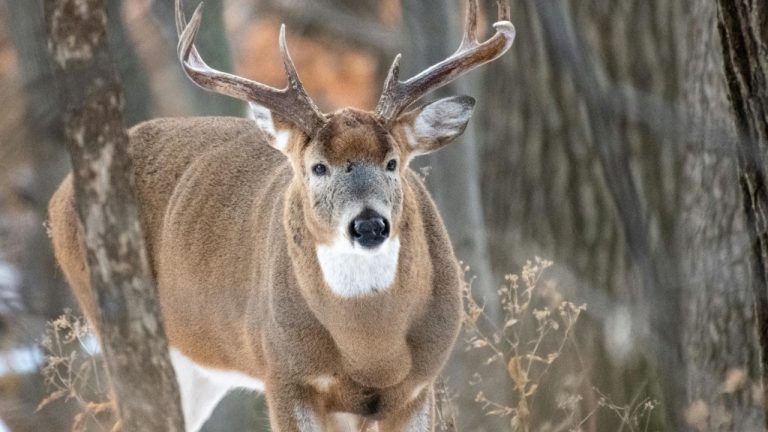
Across the United States, white-tailed and mule deer are surging in some regions and shrinking in others, reshaping forests, farms and even traffic patterns. In suburbs from the Northeast to the Midwest, residents now treat backyard herds as a costly, sometimes dangerous fact of life, while parts of the West are scrambling to keep struggling herds from slipping further. I set out to understand why the same animal is booming in one zip code and vanishing in the next, and what that split story reveals about climate, land use and the way we manage wildlife.
Nationally, deer have staged a remarkable comeback from the brink of eradication a century ago, yet that recovery is anything but even. Some states are wrestling with what officials bluntly describe as overabundance, while others are convening emergency meetings to figure out how to grow their herds again. The answer lies in a tangle of history, habitat, hunting and disease that is now colliding with rapid climate shifts and suburban sprawl.
The great deer rebound, and why it split
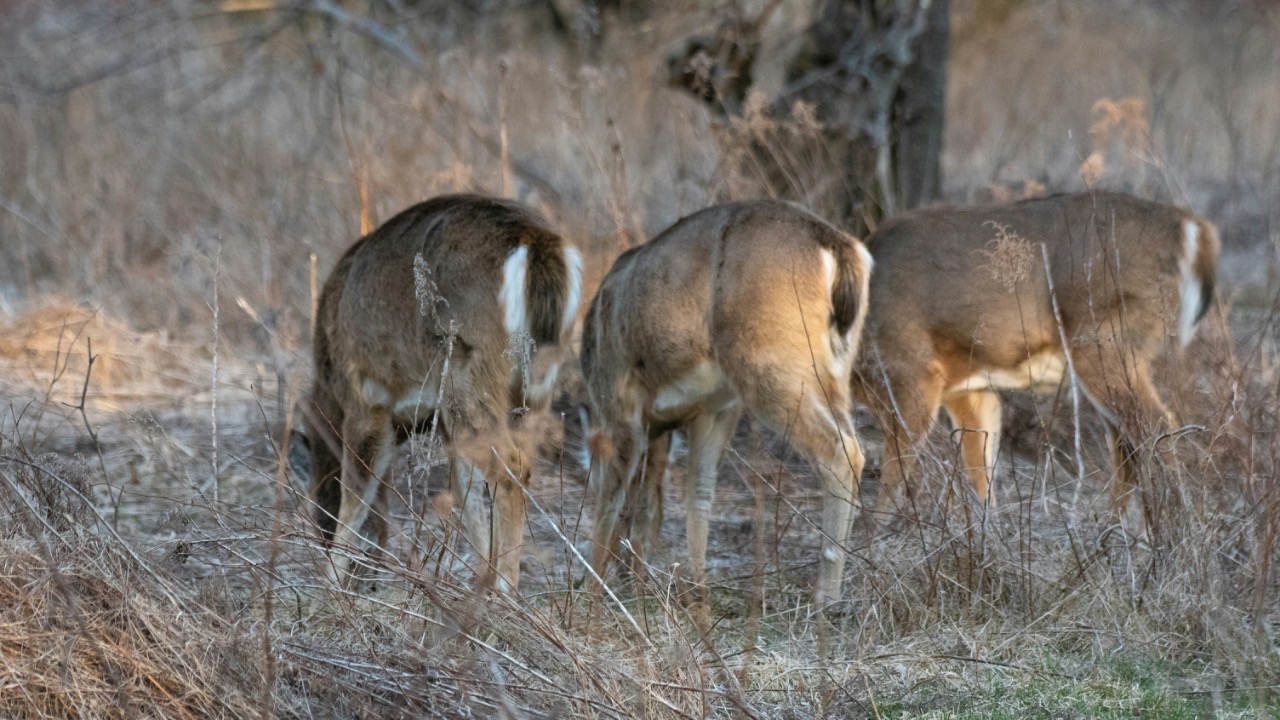
To understand today’s uneven map, I start with the long view. Earlier in the twentieth century, unregulated hunting and deforestation wiped out white-tailed deer across much of the East and Midwest, with wildlife historians noting that Manystates, including Illinois, Indiana, Ohio, Pennsylvania and Vermont, had no whitetails left at all. New York officials recount that, After rampant deforestation and uncontrolled hunting, more than 95% of the country’s deer were gone, a collapse that spurred the modern conservation system.
Through restocking, regulated seasons and habitat recovery, that picture flipped. Wildlife estimates now suggest that Today the U.S. deer population is roughly 35 to 36 m animals, a staggering rebound from near extinction. It is hard to imagine now, but less than 100 years ago some states had virtually none, a contrast that underscores how quickly policy can transform wildlife fortunes. That success, however, set the stage for today’s divergence, as deer adapted to human dominated landscapes in some regions while struggling in others.
Why suburbs are overflowing with deer
In the Northeast and upper Midwest, the dominant story is not scarcity but spillover. Biologists describe white-tailed Deeras generalists that thrive on edge habitat, the mix of woods, lawns and fields that comes with sprawl. One analysis of the U.S. boom points to habitat expansion as suburbs and exurbs create a patchwork of gardens, parks and roadsides that function as year round buffets, a pattern summarized in a report on Understanding the Deer Population Explosion and Its Impact. Another account framed it bluntly: Why are numbers surging, if not because suburban areas where deer thrive now stretch across much of the country, as one piece titled Why Deer Population Surging put it.
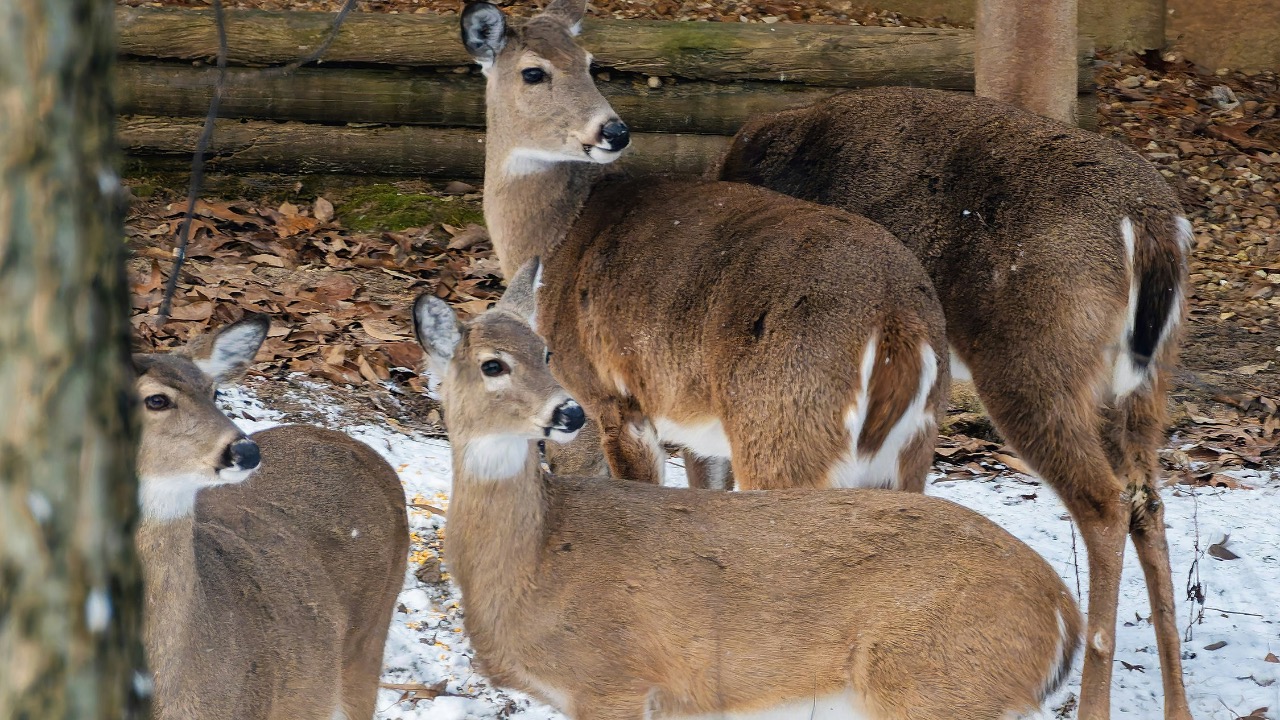
New York’s wildlife agency notes that deer normally seek the most nutritious food and safest cover, which increasingly means developed or agricultural areas rather than deep forest, a dynamic laid out in its guidance on Why There Are. A separate overview of Deer Overpopulation, Many Problems and a Possible Solution argues that the main cause is lack of predators combined with habitat that actually suits the animals better than intact wilderness. Yard care specialists echo that pattern, warning that, as one August analysis put it, “First, with less hunting and less natural predators, deer are over populating,” a line quoted in a piece from Aug. The result is a suburban landscape where deer are both ubiquitous and unusually bold.
New York, Michigan and the new overabundance belt
Few places illustrate the overflow problem more starkly than New York. State biologists there warn that deer are now causing havoc, from car crashes to Lyme disease, with one report noting that Hunters in NY killed an estimated 231thousand animals in a single recent season. Another account from the same state describes how, Meanwhile, deer have also settled in some suburbs and cities where green spaces offer ample food and refuge from hunters, with Dozens of communities now debating culls and fertility control, as detailed in a report that highlights Meanwhile and Dozens of local conflicts.
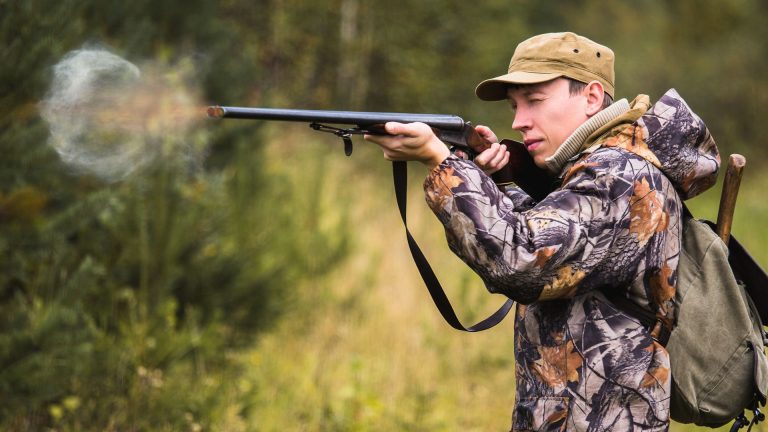
Michigan is on a similar trajectory, with wildlife managers warning that fewer hunters and milder winters are letting numbers climb. One farm bureau discussion notes that One major factor has been the drop in hunter participation, which now stands at 600,000, down almost 25% from 25 years ago, a trend summarized under the heading One major factor and the phrase Fewer hunters. A separate broadcast report adds that The DNR attributes this growth to milder winters, abundant food sources and reduced hunting pressure, with Officials warning that deer are now overabundant in parts of the state and calling for more doe harvest, as described in coverage from The DNR and its Officials. Similar complaints now surface in Pennsylvania and other Great Lakes states, where deer are increasingly treated as both a cultural icon and a costly pest.
States where deer are invading backyards
Beyond the traditional whitetail belt, some states now rank among the most affected by deer on private property. A national analysis of search data and complaints lists several States where residents report heavy yard damage, with Statesordered by how often people look for help. In that ranking, West Virginia takes the top spot, a sign that the forested Appalachian landscape, with its mix of small farms and subdivisions, has become prime habitat. A related breakdown on the same project notes that West Virginia and other high ranking states are seeing deer push deeper into residential areas, a pattern summarized again in a follow up that lists affected States.
Garden and landscape businesses confirm that shift on the ground. One yard care specialist told an interviewer that, with less hunting and fewer natural predators, deer are over populating in nearly every region of the country except the Southwest, a quote preserved in a feature from Not going anywhere. That same piece, dated Aug, describes how nurseries now design plant lists around browsing pressure. For homeowners in places like Michigan and Michigan’s neighboring states, the deer problem is no longer confined to hunting season, it is a year round negotiation over gardens, fences and the risk of collisions on the evening commute.
Where deer are crashing instead of booming
Head west or into certain disease hit pockets of the Midwest, and the story reverses. In parts of Colorado, for instance, wildlife commentators have warned that mule deer herds are shrinking, with one column noting that population estimates declined by 10 percent or more since last year in seven of 55 deer herds statewide, most of the declining herds located on the Western Slope. A separate technical report prepared for Utah wildlife managers describes how the decline of key elk, moose and deer populations has coincided with rapid growth of Canadian Gray Wolf populations in the Northern Rockies, noting that Idaho, Montana and Wyoming are showing dramatic declines, a pattern linked in the report to the Canadian Gray Wolf.
Disease can produce even sharper local crashes. In Washington County, Ohio, an outbreak of epizootic hemorrhagic disease recently hammered whitetails so hard that the deer harvest dropped by over 80% this season. A local account framed it as a temporary bust As Southeast Ohio’s deer population rebounds from disease, with Washington Countyhunters and landowners adjusting expectations while As Southeast Ohio and the rest of Ohio wait for herds to recover. These pockets of decline sit in sharp contrast to the overabundance belt, underscoring how local stressors can override the broader national rebound.
Utah, California and the climate squeeze
Climate is increasingly the hinge between booming and busting herds. In Utah, wildlife officials say deer have faced significant challenges in recent years, enough that Utah’s deer population has prompted the agency to invite the public to help grow numbers again, as described in a local report that highlights Utah’s outreach. Another briefing from the same agency lists Some of the factors behind the decline, including Extreme weather and precipitation, with ongoing drought or really heavy snowfall during the winter both stressing animals, a point spelled out in a notice that begins with Some ofthose factors and the phrase Extreme weather.
Farther west, long term data show that California’s deer are trending downward rather than up. A synthesis by Deer Friendly on California Long Deer Population Trend notes that habitat degradation, partly from development and partly from changing fire regimes, has contributed to a sustained decline of the Deer Population. That same overview, titled Long Term Trends in Deer Population Trend, links the slide to hotter, drier conditions that echo broader biodiversity losses in the Southwest, where butterfly experts warn that the Southwest is seeing really large losses in species that cannot adapt to those areas that are hot and dry. In this climate squeeze, deer that once benefited from mild winters now face summer heat and drought that can erase those gains.
When management turns lethal: Catalina Island’s drastic step
In some places, the problem is not too few deer but too many in the wrong ecosystem. On Catalina Island, California, introduced deer have been chewing through rare plants for decades, and earlier this month state officials approved a plan to remove them entirely. A detailed account explains that, On Friday, the California Fis and wildlife commission backed a proposal under which all of Catalina’s deer will be killed to restore the island’s ecosystem, a move described in a report that opens with “0:00 0:00” and the note Please listen and later references On Friday and the role of the California Fis and wildlife agency. Conservationists argue that the animals are preventing regeneration of some of the rarest tree species in North America, turning a charismatic mammal into a symbol of ecological imbalance.
A separate account aimed at hunters describes how Sharpshooters Will Eradicate Deer on Catalina Island Under New Plan, outlining a contract that will bring in professional marksmen to carry out the cull. That piece, which appears under the banner Sharpshooters Will Eradicate and the subheading Catalina Island Under New Plan, notes that there were 4 Comments and quotes writer Eli Fournier Feb describing how Last week the Californ agency overseeing the island called earlier hunting efforts a failure. For residents and visitors, the plan is a stark reminder that when deer populations explode in fragile places, managers sometimes reach for the most extreme tool available.
Fragmented habitat, predators and the geography of risk
Even where climate is favorable, the way we carve up land can determine whether deer thrive or falter. A recent data project on 15 states where deer habitat is getting fragmented the fastest, written by Story author Josh Clark, warns that this trend is “ugly” because it forces animals to cross more roads and subdivisions. The same slideshow, which ranks 15 states where deer habitat is getting fragmented the fastest, notes that shorter, warmer winters can lengthen “they used to?” seasons for ticks and other parasites, a phrase captured in the line about how they used to? be shorter.
Predators add another layer of complexity. The Utah wolf contract report argues that the rise of the Canadian Gray Wolfin parts of the Northern Rockies has coincided with declines in elk, moose and deer, particularly in Idaho, Montana and Wyoming. At the same time, in much of the East and Midwest, large predators remain scarce, leaving hunting as the primary check on deer numbers. Biologists at a Texas research institute note that, In recent times, the whitetail’s adaptability has enabled it to thrive in areas heavily influenced by people, such as agricultural and suburban landscapes, and that they are North America’s premier big game animal, a description laid out in a profile on hunters and their role in conservation. Where predators are returning, deer may face new pressures, but in most overabundant states, the real limiting factor is still human tolerance.

Leo’s been tracking game and tuning gear since he could stand upright. He’s sharp, driven, and knows how to keep things running when conditions turn.