20 of history’s most powerful military forces, ranked
Power in war isn’t only measured by body counts or territory gained. It comes down to organization, logistics, discipline, leadership, and the ability to adapt when the fight changes. Some forces reshaped the world for centuries. Others dominated for a generation and then disappeared almost overnight.
When you look back across history, you see a pattern: the most powerful militaries combined technology with doctrine and backed it up with political will. You also see how quickly dominance can fade. Here are twenty forces that, in their time, could impose their will on neighbors—and sometimes the world.
The Neo-Assyrian Army
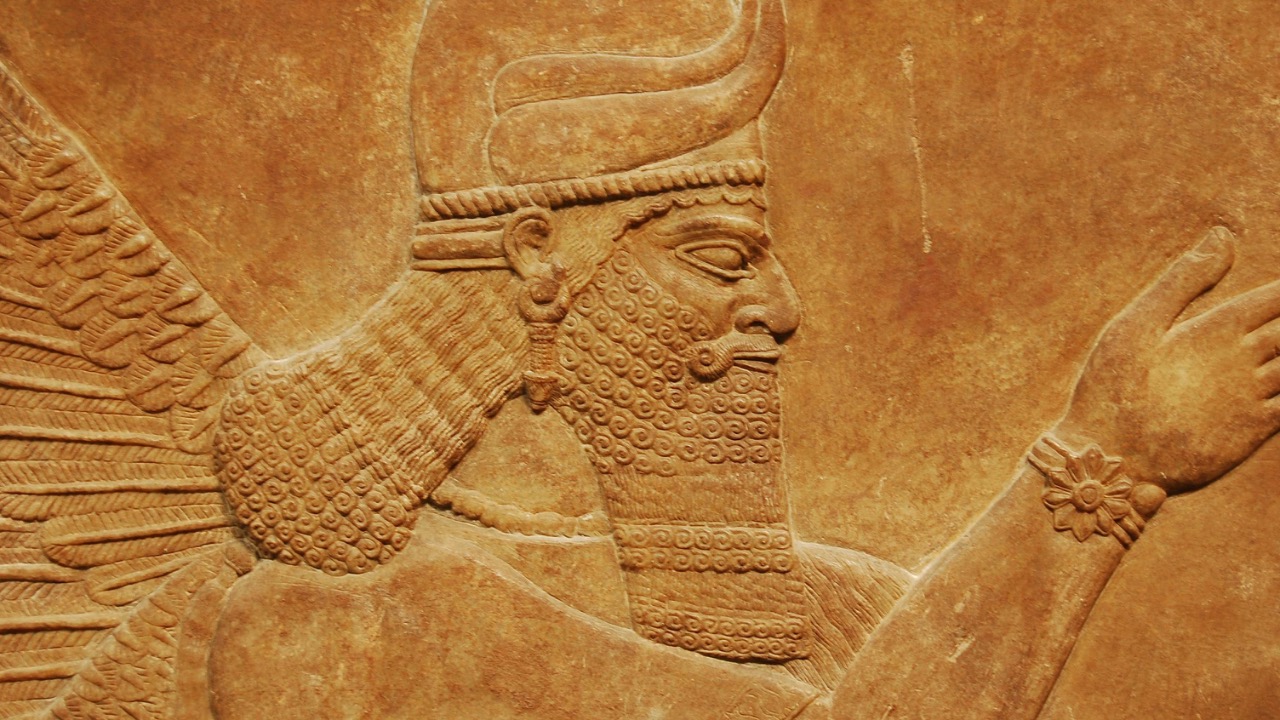
If you want to see where organized terror as strategy began, you look at the Neo-Assyrian Empire. Between the 9th and 7th centuries BCE, their army was disciplined, centrally controlled, and ruthless in execution.
They used siege engines, mass deportations, and psychological warfare to break resistance before a battle even started. Their ability to project force across Mesopotamia and into Egypt made them one of the first true military superpowers. For two centuries, few could stand against them in open conflict.
The Achaemenid Persian Army
Under rulers like Cyrus the Great and Darius I, the Persian military became a massive, coordinated force spanning three continents. It wasn’t uniform, but it was organized and supplied on a scale that stunned the ancient world.
You had elite troops like the Immortals alongside cavalry drawn from across the empire. Their road networks and logistical planning allowed them to move armies across enormous distances. Even when they lost to Greek coalitions, they remained a dominant military power for generations.
The Macedonian Army of Alexander
When you study battlefield dominance, you can’t skip Alexander’s army. The phalanx, armed with long sarissas, worked in coordination with heavy cavalry and disciplined infantry.
This force didn’t just win battles—it shattered empires. In less than a decade, it dismantled Persia and pushed deep into Asia. What made it powerful wasn’t only tactics, but cohesion. You’re looking at a professional force that could adapt mid-campaign, far from home, and keep winning.
The Roman Legions (Imperial Era)
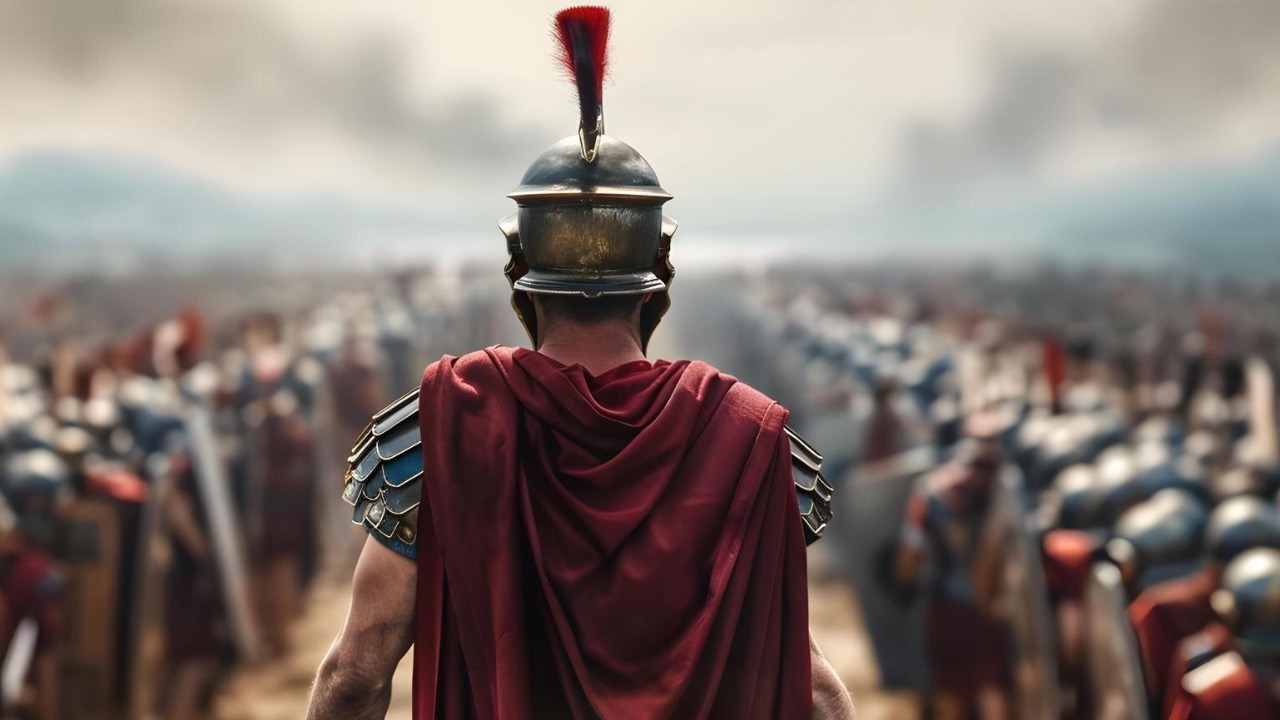
At their height, the Roman legions were the gold standard of organization and discipline. You weren’t facing a mob; you were facing a machine built on training, engineering, and structure.
Rome could raise, equip, and maintain multiple legions across Europe, North Africa, and the Middle East. Their roads, forts, and logistics gave them staying power. Even when beaten, they regrouped and came back stronger. For centuries, they dictated the military standard in the Western world.
The Mongol Horde
Under Genghis Khan and his successors, the Mongols built a military system that moved faster than anything before it. Their cavalry could cover staggering distances and strike where enemies least expected.
They combined mobility with intelligence networks and coordinated attacks across vast regions. Entire kingdoms collapsed in the face of their campaigns. At their peak in the 13th century, they controlled the largest contiguous land empire in history. Few forces have matched their speed and shock value.
The Ottoman Janissaries
The Janissaries formed the backbone of the Ottoman military machine for centuries. Recruited young and trained relentlessly, they were disciplined infantry at a time when many armies relied on feudal levies.
They adapted early to gunpowder weapons and played a decisive role in the fall of Constantinople in 1453. For generations, their presence on the battlefield meant organized firepower and cohesion. Political corruption eventually weakened them, but at their peak, they were feared across Europe and the Middle East.
The Spanish Tercios
In the 16th and early 17th centuries, Spain fielded infantry formations that dominated European battlefields. The tercios combined pikes and firearms in flexible, hardened units.
They held their ground against cavalry and delivered disciplined volleys at close range. Spanish forces maintained influence across Europe and the Americas, and their battlefield success helped sustain a global empire. For over a century, few armies could consistently defeat them in open combat.
The Swedish Army of Gustavus Adolphus
In the early 1600s, Sweden punched far above its weight. Under Gustavus Adolphus, the army reformed tactics, emphasized mobile artillery, and improved coordination between infantry and cavalry.
During the Thirty Years’ War, Swedish forces showed how combined arms could shift the balance of power. Their ability to maneuver and deliver controlled fire reshaped European warfare. Though Sweden’s dominance didn’t last forever, its military reforms influenced armies across the continent.
The British Royal Navy (Age of Sail)
For more than a century, the Royal Navy controlled sea lanes across the globe. After the defeat of Napoleon’s fleet at Trafalgar, Britain faced no serious naval rival for decades.
Control of the oceans meant control of trade, supply, and colonial expansion. The navy’s discipline, gunnery training, and shipbuilding standards kept it ahead of competitors. If you lived in the 19th century, British naval power shaped your world whether you realized it or not.
The Grande Armée
Napoleon’s Grande Armée rewrote the playbook for operational warfare. Corps-level organization allowed independent movement while maintaining coordination.
At its height, it swept across Europe with speed and aggression that stunned established powers. Logistics eventually failed in Russia, but before that collapse, this force dismantled coalitions and redrew the European map. For a decade, it was the most formidable land army on the continent.
The Imperial Japanese Navy (Early WWII)
In the opening years of World War II, Japan’s navy demonstrated planning and striking power few expected. The attack on Pearl Harbor showed operational reach and coordination.
Their carrier-based aviation and torpedo tactics gave them early dominance in the Pacific. Though later outmatched industrially by the United States, in 1941–1942 they were one of the most capable naval forces in the world.
The German Wehrmacht (1939–1941)
At the start of World War II, the Wehrmacht executed combined-arms tactics with speed and precision. Blitzkrieg wasn’t magic—it was coordination between armor, infantry, and air support.
Poland and France fell quickly under concentrated assaults. Operational flexibility and communication gave German forces an early edge. Strategic overreach and industrial limits caught up with them later, but in the war’s early phase, they were a dominant land force.
The United States Military (Post-1945)
After World War II, the United States built a military structure capable of global deployment. Industrial strength, technological development, and alliances gave it unmatched reach.
From carrier strike groups to airlift capacity and precision-guided munitions, the U.S. shaped modern warfare. While not invincible and often constrained politically, its ability to project power worldwide has defined the military landscape since the mid-20th century.
The Soviet Red Army (1943–1945)
By the later years of World War II, the Red Army had transformed into a massive, battle-hardened force. It absorbed catastrophic losses and rebuilt itself into an offensive machine.
Massed armor, artillery, and manpower overwhelmed German defenses in the East. The push to Berlin demonstrated both resilience and scale. Few armies have endured such punishment and then advanced with such force.
The French Army of Louis XIV
In the late 17th century, France fielded Europe’s largest and most organized army. Standardized training, uniforms, and logistics made it a model for others.
Louis XIV used this military strength to expand French influence across the continent. Though coalitions eventually checked French ambitions, for decades its army was one of the most formidable forces in Europe.
The Abbasid Caliphate Armies
During the 8th and 9th centuries, Abbasid forces controlled vast territory stretching from North Africa to Central Asia. Their military strength rested on mobility and a diverse pool of fighters.
They managed frontier warfare while maintaining internal order across a huge empire. Though political fragmentation weakened them later, their early military reach shaped the medieval Islamic world.
The Carthaginian Army Under Hannibal
Hannibal’s army during the Second Punic War demonstrated tactical brilliance. At Cannae, he encircled and destroyed a larger Roman force in one of history’s most studied battles.
Though Carthage ultimately lost the war, the ability to march across the Alps and challenge Rome on Italian soil showed remarkable leadership and operational daring. For years, Rome faced an opponent that seemed capable of breaking it.
The Qin Dynasty Army
The Qin unified China in the 3rd century BCE through disciplined, centralized military organization. Standardized weapons and strict command structures gave them consistency in battle.
They defeated rival states through relentless campaigns and superior coordination. Though the dynasty was short-lived, its military system laid the groundwork for imperial China’s future structure.
The Huns
The Huns terrified late Roman territories with mounted archery and rapid raids. Their mobility allowed them to strike and withdraw before traditional forces could respond.
Under leaders like Attila, they extracted tribute and influenced European politics. While not an empire-builder on the Mongol scale, their military pressure reshaped the balance of power in late antiquity.
The Prussian Army (18th–19th Century)
Prussia developed a culture built around military efficiency. Drill, discipline, and staff planning became hallmarks of its army.
Victories against Austria and France in the 19th century showed how preparation and organization could defeat larger forces. The Prussian model influenced military structures across Europe and helped lay the foundation for German unification.
These forces didn’t all last forever. Some burned bright and faded. Others reshaped entire centuries. When you study them, you start to see that power in war isn’t permanent. It belongs to whoever can organize, adapt, and sustain the fight longer than everyone else.

Asher was raised in the woods and on the water, and it shows. He’s logged more hours behind a rifle and under a heavy pack than most men twice his age.