The outdoor safety habits more people are starting to take seriously
Outdoor recreation is no longer a niche hobby. New research points to 181 m people, or 58% of all Americans, spending time outside on activities such as walking, camping and fishing, and participation in the United States has climbed to a record 181.1 m people. As more Americans head for trails, campgrounds and rivers, a parallel shift is taking place: safety habits that once seemed optional are becoming standard gear.
From sun protection and insect barriers to trip plans and emergency kits, people are treating risk management as part of the experience rather than an afterthought. The result is a new culture of preparation that aims to keep outdoor time healthy, low drama and sustainable.
More people outside, more attention on risk
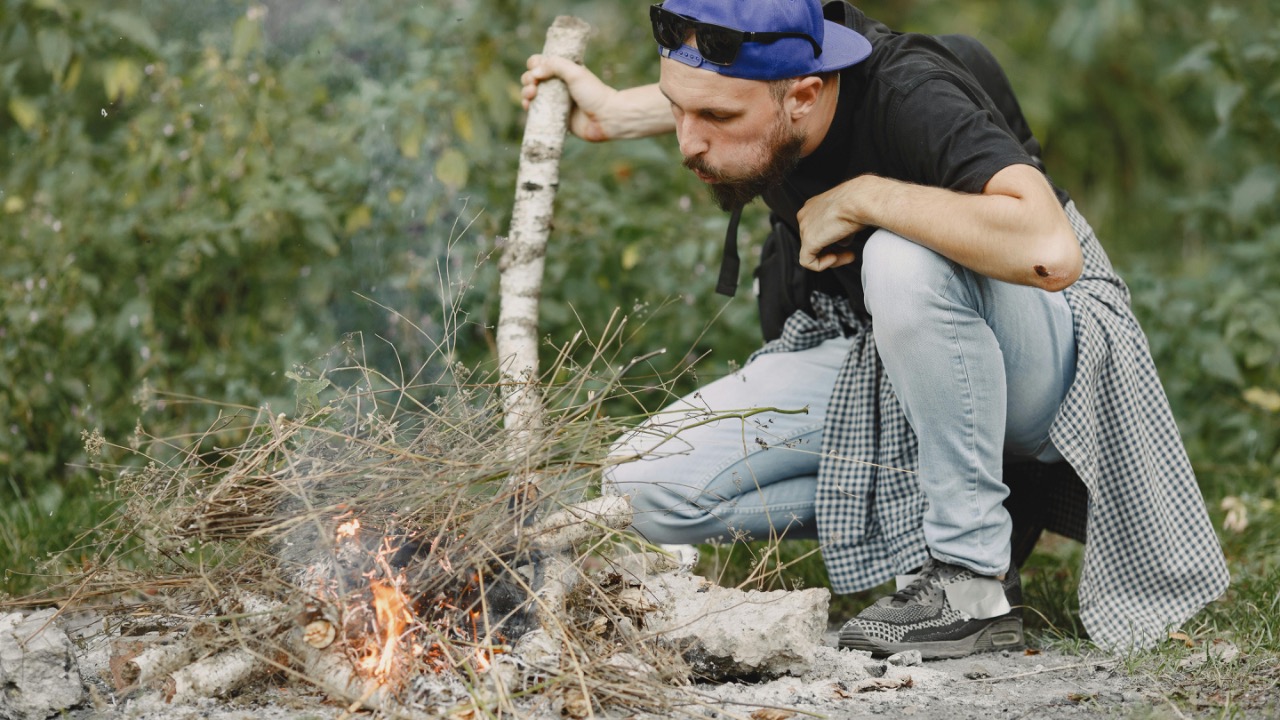
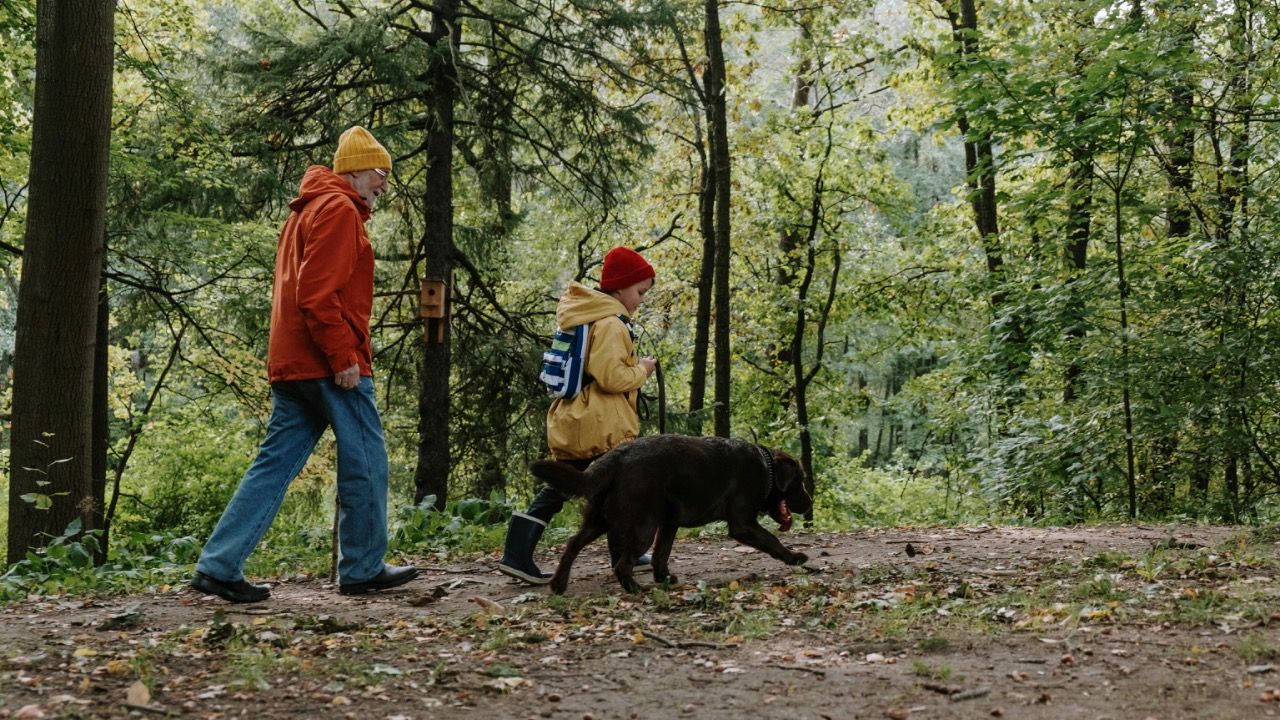
Outdoor recreation pulls people out of built environments and into less familiar terrain, with all the weather, wildlife and navigation challenges that follow. One national report describes how outdoor recreation moves Americans into spaces where they are less in control of conditions, even as they seek physical and mental health benefits.
Another societal analysis notes that overwhelmingly Americans believe wider participation in outdoor physical activities would improve public health. That belief is now colliding with the reality that larger crowds in wild places can magnify the consequences of a single mistake, whether it is a missed weather alert or a forgotten water bottle.
Participation data reflects the scale of the shift. According to OIA, outdoor participation in the United States grew by 3 percent to 181.1 m people, while a separate survey found that 181 m Americans, or 58%, spent time on outdoor activities. Those figures signal not only more hikers and campers but also more families, older adults and beginners, groups that often bring a sharper focus on structured safety habits.
Trip planning becomes non‑negotiable
One of the clearest changes is how seriously people treat planning. Guidance from national park rangers urges visitors to Find out about, wildland fire risks and other local hazards before setting out, and to carry a set of ten essentials in case conditions change. That advice now extends to checking flood forecasts through services such as weather.gov and watching for heat or storm alerts.
Structured planning has migrated from professional expeditions into everyday outings. A long standing safety guide recommends that groups always File a Trip Plan that lists the planned route and expected time of return, and that this information be left with someone who is not on the trip. Short video explainers echo the same habit, telling viewers in Nov that they should share where they are going, when they expect to be home and who will be with them before they leave.
Even casual campers are being urged to Research destinations in advance for trail maps, fire restrictions and weather forecasts, then Secure any permits or reservations that might affect safety, such as designated campsites or limited entry areas. That level of preparation, once associated mainly with mountaineering or remote river trips, is now filtering down to weekend state park visits.
Navigation and tech: from bonus to baseline
Navigation tools have also shifted from optional to expected. Hiking educators emphasize that Having a map and a guidebook or photos of key pages can prevent wrong turns on poorly marked trails. Video guides repeat that Having a map is still essential even when phones work, because batteries fail and signals drop.
Digital tools are becoming standard companions as well. A camping trend report notes that Mobile apps are turning into must have tools for campers, especially those that provide weather updates, trail maps and safety tips in one place. The official National Park Service app, discovered through Hike Smart, National Park Service listings on the App Store, offers offline maps and alerts that make it easier for first time visitors to orient themselves.
Rangers also caution that Searching for a cell signal can quickly drain a phone battery, and suggest switching to airplane mode until the device is needed for navigation or emergencies. That advice reflects a broader habit shift: people are learning to treat smartphones as one part of a layered navigation system rather than the only plan.
Sun protection turns into a daily ritual
One of the fastest spreading habits is rigorous sun protection. Health agencies advise people to Wear sunscreen, a hat and sunglasses, and to Take breaks in the shade when possible. A state emergency office goes as far as urging everyone who heads outside to Take plenty of water, Wear sunscreen and keep a fully charged phone in case rescue is needed.
Dermatology guidance has helped normalize sunscreen as a daily product, not just a beach accessory. Analysts describe how the rise in suncare sales reflects more people taking their skin health seriously, and how sunscreen is being woven into the same routine as not smoking, drinking water, eating well and exercising. Cycling and endurance communities have amplified that message by asking which SPF is best for long, sweaty rides.
Weather experts add a practical layer, advising outdoor enthusiasts to Wear lightweight, loose fitting, light colored clothing to reflect heat and sunlight and to Minimize direct exposure to the sun during peak hours. They warn that Sunbu, or sunburn, reduces the body’s ability to shed heat, which can turn a sunny hike into a medical problem much faster than many expect.
Local health campaigns push similar habits for families. A regional health system reminds parents in Jul to Protect skin with hats that cover the head, neck and ears, to choose light, loose clothing for the rest of the body and to stay hydrated. That kind of messaging has turned wide brimmed hats, long sleeves and regular sunscreen reapplication into a visible norm on trails and playgrounds.
Insect barriers and tick checks go mainstream
Concerns about Mosquitoes, ticks and other insects that can carry diseases such as Lyme Disease are also changing how people dress and pack. Health providers advise everyone to Wear bug repellent and, When possible, wear clothing that covers arms and legs to reduce bites.
Conservation groups have helped popularize a more technical approach. They recommend that people Treat clothing and gear such as backpacks and tents with 0.5 percent permethrin, explaining that this treatment remains protective through several washings. They also suggest that hikers Wear long sleeves, pants and socks when possible and that Tucking pant legs into socks and shirts into pants helps keep ticks outside of clothing.
Tick awareness now extends beyond the trail. Public health videos stress that After a hike, people should check themselves, their pets and their children for ticks, and that Hikers should always follow marked trails instead of cutting through tall grass or brush where ticks are more common. Those small habits, once familiar mainly to hunters and field biologists, are now part of many families’ post hike routines.
Hydration, heat and weather: from afterthought to starting point
As summers grow hotter in many regions, hydration and heat management have become front loaded concerns. State emergency managers urge residents to Take plenty of water on any outdoor outing, to Take breaks in the shade and to carry a fully charged mobile phone in case conditions deteriorate. Medical educators tell campers to Plan to have camp set up at least two hours before nightfall, Bring Sunscreen and Let Someone know the itinerary so that weather surprises do not turn into overnight emergencies.
National weather guidance reinforces the basics: Wear lightweight, loose fitting, light colored clothing and Minimize direct exposure to the sun to avoid heat stress. They point out that Sunbu and dehydration can combine to overwhelm the body’s cooling systems, especially for children, older adults and those not used to exertion in high temperatures.
Specialized advice for high altitude trips, discovered through Hike Smart, National Park Service links to federal health agencies, explains how thinner air increases the risk of altitude illness and why gradual ascent, extra hydration and awareness of early symptoms are now standard recommendations for hikers headed above tree line. The message is consistent across agencies: weather and environment are no longer background conditions, they are central planning factors.
Compact emergency kits and smarter gear
Gear trends mirror the cultural shift toward preparedness. Outdoor health guides now list emergency shelter such as an emergency space blanket, bivy sack, tent or tarp among the core items that every hiker should carry, alongside Fire supplies like waterproof matches and lighters. A hospital affiliated site, Healthy With Pardee, frames these items as basic risk management rather than advanced survival gear.
Retailers are responding with new products. A gear preview for 2025 highlights how Compact survival kits now bundle fire starters, multitools and first aid essentials into organized, waterproof pouches that fit easily into daypacks. The same report notes that Mar is seeing a surge in interest for these Compact kits among people who are not traditional backpackers but want a safety net on short outings.
Camping safety educators echo that trend, urging people to pack headlamps or flashlights with extra batteries, along with first aid supplies, even for single night trips. Health systems advise campers to Avoid cliff areas, to Always travel with a companion and to Stay hydrated, ideally with bottled water in areas where streams may be contaminated. The overall expectation is that every group will have some capacity to handle minor injuries and unexpected delays without immediate outside help.
Wildlife, crowds and Leave No Trace behavior
With more visitors in parks and forests, wildlife encounters and crowd related risks are also getting new attention. The U.S. Forest Service tells visitors to Photograph and watch wildlife from observation areas and to Use binoculars, spotting scopes or telephoto lenses to minimize stress to animals and maintain a safe viewing distance. They also advise altering routes to avoid animals rather than trying to pass through close quarters.
Campers are urged to store food where wild animals cannot reach it, whether in bear resistant canisters, metal lockers or properly hung bags, in order to reduce both personal risk and long term impacts on animal behavior. Park safety videos reinforce the message that Hikers should always follow marked trails, which helps protect fragile vegetation and reduces surprise encounters with wildlife in dense cover.
At the same time, Leave No Trace principles are being woven into mainstream camping trends. A national campground network reports that Dec has brought rising interest in environmental practices alongside RV tech innovations, and that many guests now expect guidance on waste disposal, fire restrictions and campsite etiquette as part of their reservation process. The idea that safety includes protecting ecosystems as well as people is gaining traction.
Institutional safety culture moves into everyday recreation
Behind many of these habits is a deeper shift in how organizations treat outdoor risk. A fieldwork safety initiative notes that But there is rapidly growing recognition that employers and program leaders can do more to prevent incidents and prepare for what they cannot control, and it highlights a national body that provides outdoor programs with risk management guidance.

Leo’s been tracking game and tuning gear since he could stand upright. He’s sharp, driven, and knows how to keep things running when conditions turn.