Why invasive species are becoming a bigger problem across the U.S.The outdoor safety habits more people are starting to take seriously
Across the United States, invasive species are no longer a background nuisance. They are reshaping forests, choking lakes, overrunning farms and costing communities billions of dollars in damage and control efforts. Scientists now warn that a combination of global trade, climate change and land use is turning a long‑running ecological problem into a fast‑moving national challenge.
The surge is visible from Florida’s swamps to Midwestern lakes and Western forests, where non‑native plants, animals and pathogens are gaining ground faster than agencies and landowners can respond. The question is not whether invasive species are a problem, but why their spread is accelerating and what it will take to slow them.
What “invasive” actually means
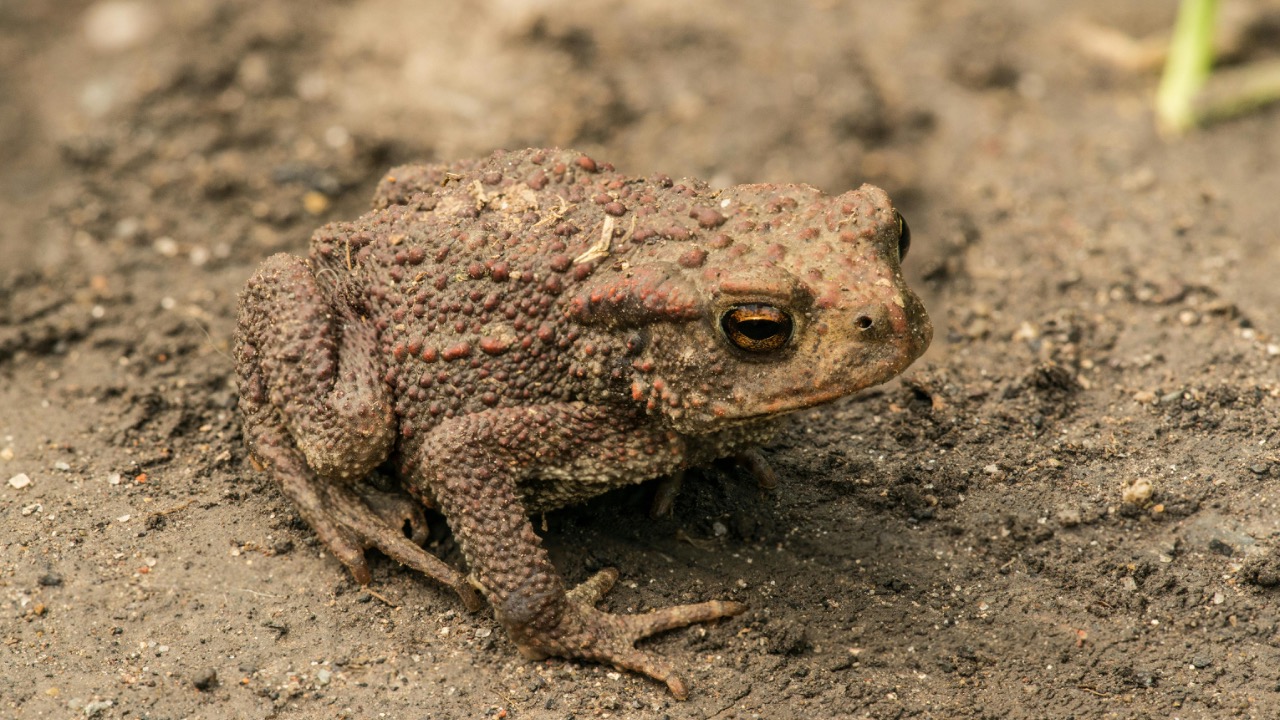
Experts stress that not every species that arrives from somewhere else is a threat. Many crops, garden plants and livestock are non‑native but relatively benign. As Marlyse Duguid explains, invasive species are a subset of non‑native species that did not co‑evolve in a place and that cause harm once they establish.
That harm can be ecological, such as crowding out native plants, or economic, such as damaging crops and infrastructure. The U.S. Forest Service describes Invasive and Exotic as non‑native organisms and pathogens that have already caused enormous damage to U.S. forests and that continue to spread across the continental United States.
Trade and travel are supercharging introductions
Humans have always moved species around, intentionally and accidentally. What has changed is the scale. Modern shipping, air travel and online commerce have created a dense web of pathways that move organisms faster and farther than any natural process.
Research on international trade finds that biological invasions are now essentially synonymous with global commerce. Species hitchhike in ballast water, wooden pallets, packing materials and even on the exterior of cargo containers. Another analysis notes that international trade is perhaps the most important conduit for the dispersal of invasive species, a point reinforced by work on potential forest insects that could establish in the United States.
State agencies see the same pattern at a local scale. Minnesota officials describe how Global trade drives new introductions through horticulture, pet and aquarium sales and live food markets. World trade has become, as one assessment put it, a primary driver of Bioinvasi that threaten ecological stability.
Climate change is making invasions stick
Global warming does not create invasive species, but it often makes it easier for them to gain a foothold. Rising temperatures, shifting rainfall and higher carbon dioxide levels are altering which species can survive in a given place.
Scientists at Columbia University describe how rising temperatures, increased CO₂ and more frequent disturbances give many invasive plants a competitive edge over native vegetation. A related analysis from the same group notes that Marconditions can alter how these plants affect humans and the environment, from allergies to wildfire risk.
The U.S. Geological Survey warns that changing climate conditions are driving shifts in where species can survive, which in turn disrupts ecosystem stability and resilience. A focused section of that work notes that Aug conditions can also interact with human behavior, such as how often boats are moved between lakes and whether they are properly cleaned.
Conservation groups add that Climate change is making it easier for non‑native plants and animals to establish in areas where native species are already stressed. The IUCN has similarly concluded that, According to its assessments, climate change facilitates the establishment and spread of many alien species by making previously inhospitable regions more suitable and by weakening the barriers that once kept them, including Burmese pythons, out.
Forests and fields under pressure
Nowhere is the shift more visible than in American forests. A recent national analysis finds that approximately 99.5 mhectares of forest, or 37.9 % of the national total, have already been invaded by understory non‑native plants. The authors, writing in a paper dated Jan, link that spread to land use, disturbance and climate.
The U.S. Forest Service notes that Southern Region forests are particularly vulnerable. In a detailed explainer, the agency asks Why Are Non native invasive species so successful and concludes that many grow faster, leaf out earlier and are less palatable, or even poisonous, to grazing animals. Native Invasive Species often reflects traits that let them out‑compete local plants for light, water and nutrients. Once they dominate the understory, they can alter fire regimes and wildlife habitat.
Agriculture faces parallel threats. The U.S. Department of Agriculture warns that Invasive Species Impact by threatening crops, rangelands, water resources, global food security and rural economies. Invasive weeds can reduce yields and increase the need for herbicides, while non‑native insects and pathogens attack orchards and row crops.
Iconic invaders: from pythons to zebra mussels
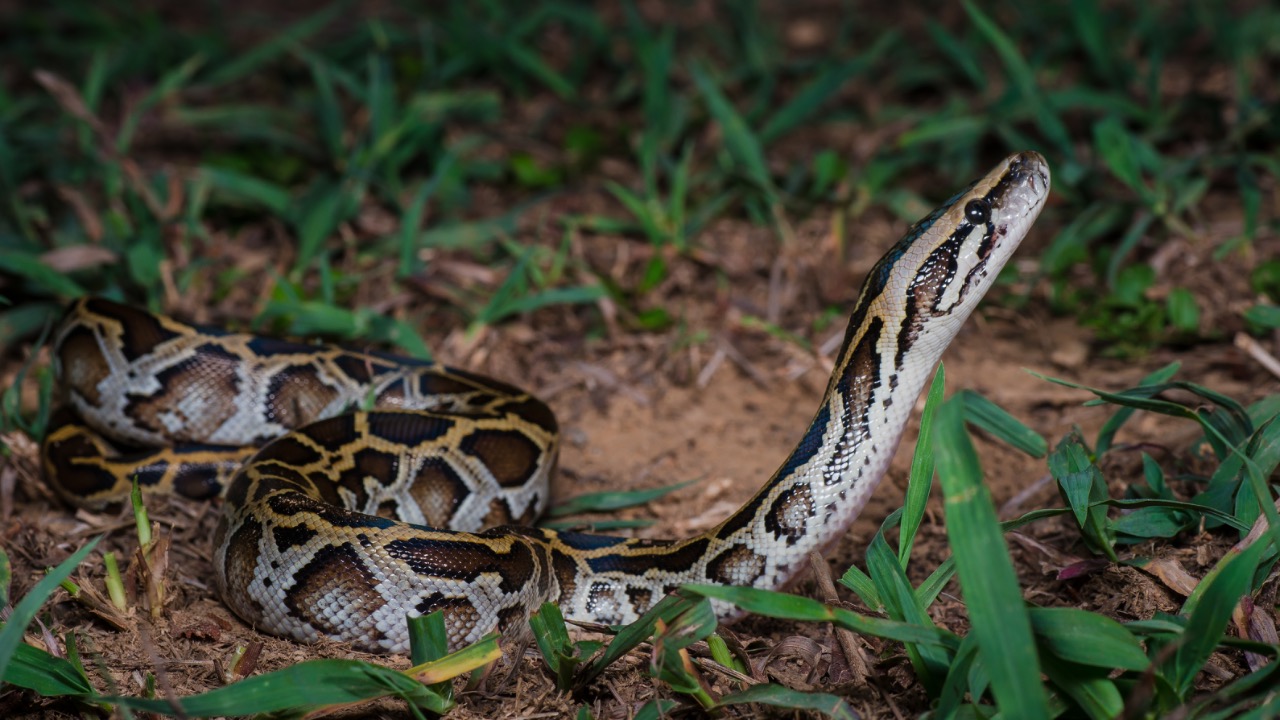
Some species have become symbols of the crisis. In south Florida, Burmese pythons now occupy large swaths of the Everglades. These snakes, likely introduced through the pet trade, prey on mammals and birds that have no evolutionary experience with such a large constrictor. According to the IUCN assessment cited earlier, climate change has helped remove temperature barriers that once limited their spread.
In freshwater systems, zebra mussels have transformed lakes and rivers from the Great Lakes to Texas. These small bivalves, introduced via ballast water, cling to pipes, docks and boat hulls, clogging infrastructure and out‑competing native mussels. Aquatic ecologists warn that, Once established in a new habitat, most aquatic invasive species are nearly impossible to eradicate and some major pests are extremely costly to control.
Terrestrial invasives tell a similar story. Photos of kudzu on trees in Atlanta, Georgia, show how a single vine introduced for erosion control can smother entire landscapes. Conservationists point out that, Once an invasive species has arrived and started to flourish, eradication or even management becomes incredibly difficult while populations continue to rise.
Why management is so hard
Scientists and land managers agree on one point: prevention is far cheaper and more effective than trying to remove established invaders. A University of Washington team notes that, Furthermore, once nuisance species are established, eradication is near impossible and management is extremely difficult and costly.
Yet prevention means reshaping how trade, travel and recreation work. Boat owners must clean and dry equipment between lakes to avoid transporting microscopic larvae. Nurseries and garden centers need screening to keep high‑risk ornamentals off the market. Online marketplaces that ship plants and animals across state lines create new enforcement challenges.
Climate change adds another layer of complexity. A conservation blog on future risks notes that Not all introduced non‑native species become a problem. But those that do tend to be generalists that can thrive under a range of conditions, which makes them particularly well suited to a warming, more variable climate.
At the same time, some ecologists argue that complete eradication is unrealistic. A perspective in Science notes that Mostinvasive species are here to stay and that their eradication is biologically and economically unfeasible. Conceptually, that view treats many invaded landscapes as novel ecosystems that will need active management rather than attempts to restore some historical baseline.
What a realistic response looks like
Given the scale of the problem, experts increasingly argue for a triage approach. High‑risk pathways like ballast water, wooden packing materials and live plant imports can be tightened through inspection and treatment standards that reflect what Biological invasion research has learned about how species travel. Recreational pathways, from fishing boats to kayaks, can be addressed with targeted education and, where needed, regulation.
On the climate side, adaptation planning increasingly includes invasive species scenarios. The U.S. Geological Survey’s Deep Dive work suggests that agencies will need to anticipate which regions are likely to become more hospitable to particular invaders and prioritize monitoring there.
Public awareness also matters. The Yale explainer that begins with Sep and asks What invasive species are is part of a broader push to help residents recognize and report new arrivals. As climate scientist Sara Kuebbing notes in that context, climate change is putting stress on native species that may die if the conditions persist, which gives invaders more room to expand.

Leo’s been tracking game and tuning gear since he could stand upright. He’s sharp, driven, and knows how to keep things running when conditions turn.