Why more hunters are skipping opening day altogether
Opening day used to feel like a holiday. You’d circle it months in advance, lose sleep the night before, and head out in the dark with half the county doing the same thing. That’s still true in plenty of places—but if you’ve been paying attention, you’ve probably noticed a shift. More hunters are easing off the gas, skipping opening morning altogether, and waiting for things to settle.
It’s not because they’ve lost interest. It’s because they’ve learned what opening day really brings—and what it usually pushes away. Here’s why more hunters are choosing patience over tradition.
Pressure Is at Its Peak
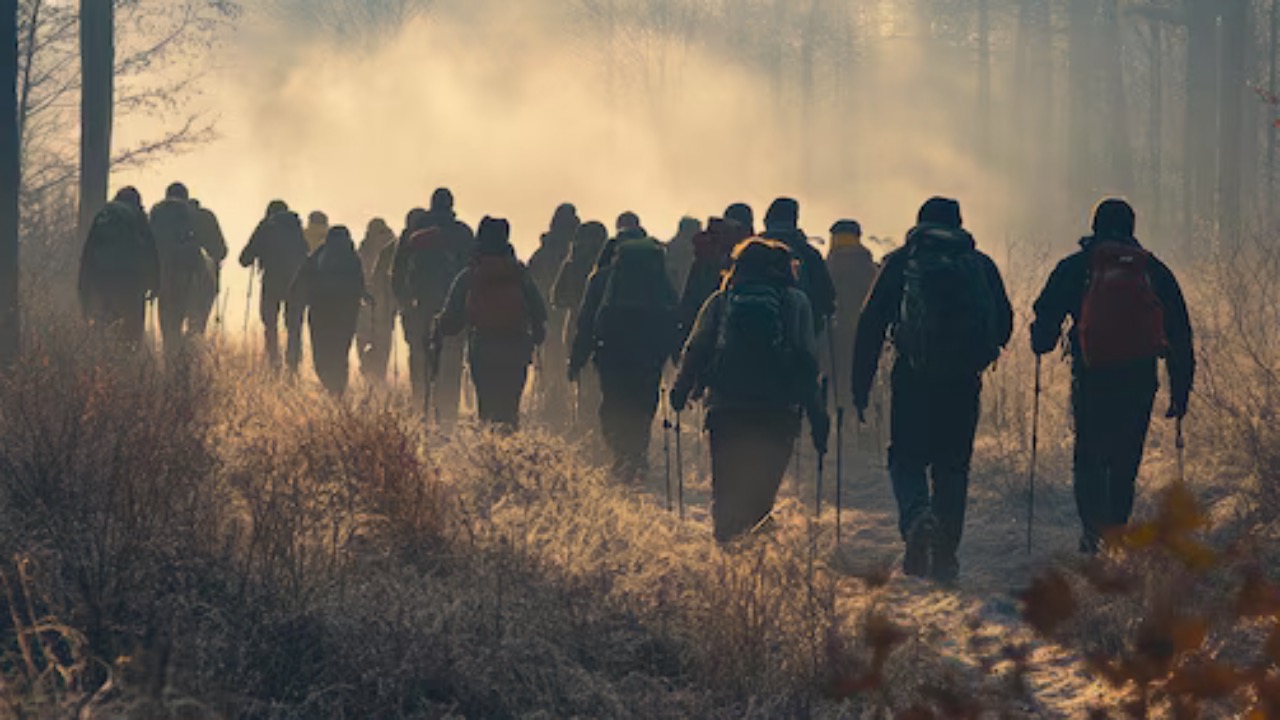
Opening day stacks more hunters into the woods than any other time all season. Parking areas fill before daylight, trailheads get crowded, and every ridge seems to have someone on it. You feel it the second you step out of the truck.
Game feels it too. Deer, elk, and other pressured animals don’t wait around to figure things out. They shift patterns fast, head for thicker cover, or move off public ground altogether. When you’re dealing with that kind of pressure, your odds drop quick. A lot of experienced hunters would rather wait until the woods calm down and animals settle back into predictable movement.
Mature Animals Go Nocturnal Fast
Older animals don’t get old by being careless. Once the first shots ring out, mature bucks and bulls change behavior almost overnight. Movement that used to happen in daylight gets pushed into the dark.
You can sit a stand opening morning and feel like the woods are empty, when in reality those animals are still there—they’ve just adjusted. Hunters who’ve watched this happen year after year know better than to force it. Waiting a few days gives those older animals time to relax and start moving earlier again, even if only by a small window.
Access Routes Get Burned Out Early
It’s not always the hunting pressure itself that ruins a spot—it’s how people get in and out. Opening day sees a lot of boots on the same trails, a lot of noise, and a lot of scent left behind.
If you’ve got a good area picked out, there’s a real chance someone else walks right through it before you even get there. That can blow a setup for days. Hunters who’ve been burned that way start thinking differently. Instead of racing in with everyone else, they wait for the traffic to die down so they can slip in clean and hunt it the way they intended.
Weather Often Isn’t Ideal Yet
Early seasons don’t always line up with great conditions. Warm temperatures can limit daytime movement, especially for deer. You might be dealing with swirling thermals, inconsistent winds, or heat that keeps animals bedded longer.
When you’ve hunted long enough, you stop forcing bad conditions. A lot of hunters are watching the weather more than the calendar now. If opening day falls in a stretch of poor conditions, they’ll sit it out and wait for a cold front or a steady wind—something that gives them an actual advantage instead of working against them.
The Noise Changes the Woods
Opening morning has a different sound to it. Truck doors, voices, distant shots—it all carries, especially in calm conditions. Even if it doesn’t seem loud to you, it’s enough to put animals on edge.
Game responds by tightening up movement or relocating altogether. It can take a few days for things to quiet down and return to normal. Hunters who pay attention to that know the difference between hunting fresh, undisturbed ground and hunting after it’s been rattled. That quiet window a few days in often feels like a completely different season.
Scouting Intel Gets More Valuable After Day One
You can scout all summer and still learn more in the first 48 hours of a season than you did in months beforehand. Tracks, fresh sign, bumped animals—it all tells you what’s actually happening under pressure.
Some hunters are skipping opening day so they can gather that information instead of guessing. They’ll glass from a distance, check access points, and see how other hunters move through the area. By the time they step in to hunt, they’re working with real-time intel instead of preseason assumptions.
Less Competition Means Better Decisions
When you’re surrounded by other hunters, your decisions change. You rush setups, second-guess movement, and sometimes push into areas you’d normally leave alone.
Hunting later in the first week removes a lot of that pressure. You can slow down, think clearly, and hunt the way you know works. That alone leads to better positioning and better timing. It’s not that opening day is impossible—it’s that your margin for error gets a lot smaller when everyone else is trying to do the same thing at once.
Animals Start Settling Into New Patterns
After the initial surge of pressure, animals don’t stay scattered forever. They adjust. They find new bedding areas, new travel routes, and new routines that work around human activity.
If you’re patient, you can key in on those updated patterns. That’s often when things start to click. Instead of hunting where animals used to be, you’re hunting where they are now. Skipping opening day gives you a better shot at figuring that out before you commit to a setup.
Tagging Pressure Drops After the First Few Days
A surprising number of tags get filled early, especially in areas with high hunter density. By midweek, there are simply fewer people in the woods.
That drop in pressure makes a noticeable difference. Less movement, less noise, fewer chances of someone bumping animals toward or away from you. It’s not empty by any means, but it’s manageable. Hunters who’ve seen that shift tend to plan around it instead of fighting the opening day crowd.
Experience Teaches Patience
Most hunters who skip opening day didn’t start out that way. They learned it over time—through blown hunts, crowded spots, and animals that vanished overnight.
Eventually, you realize the season isn’t decided in the first morning. There’s a long window ahead, and sometimes the best move is to wait for better conditions, less pressure, and clearer patterns. That kind of patience doesn’t come from theory—it comes from years in the field, watching how quickly things can change when everyone shows up at once.

Asher was raised in the woods and on the water, and it shows. He’s logged more hours behind a rifle and under a heavy pack than most men twice his age.