The self-defense choice people regret after the first scare
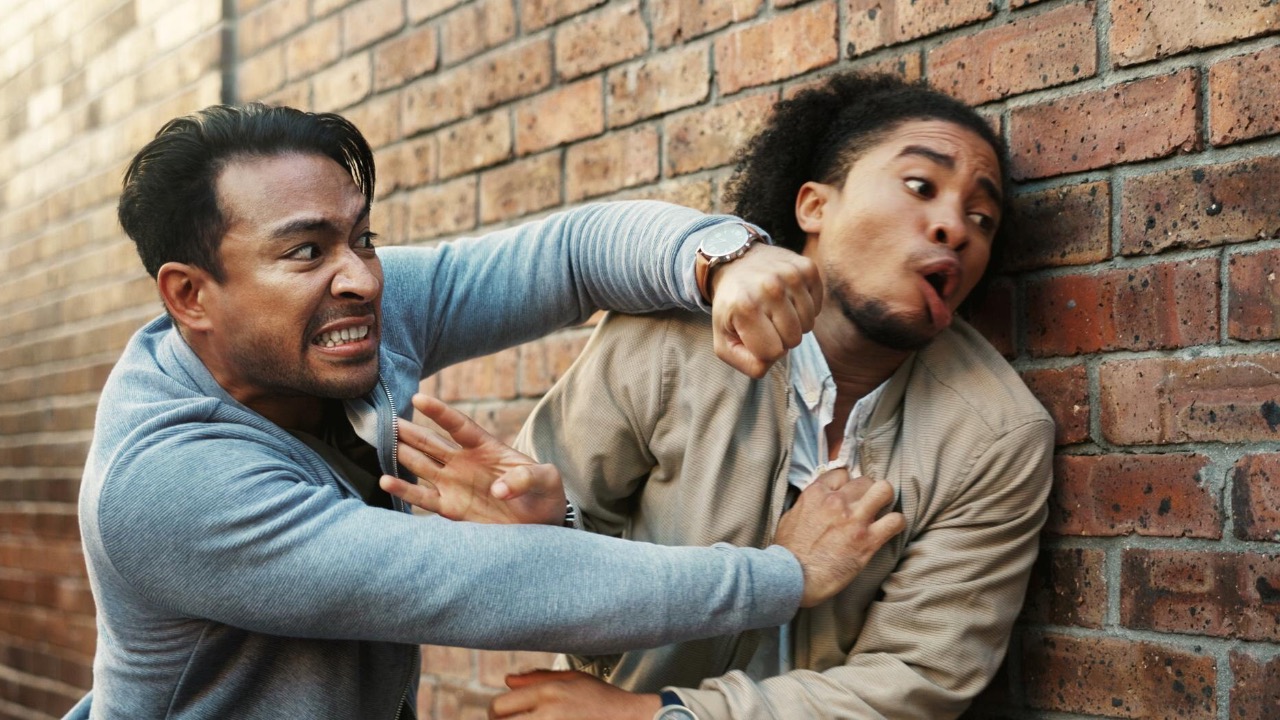
For many first-time defenders, the scariest moment is not the threat itself but the seconds afterward, when adrenaline fades and the reality of what almost happened sinks in. In that quiet, people often realize that the self-defense option they chose in calm daylight feels very different in the dark, with a stranger closing distance. The choice that looked empowering on a gun counter or in an online ad can quickly become the decision they most regret after that first real scare.
The comfort purchase that backfires under pressure
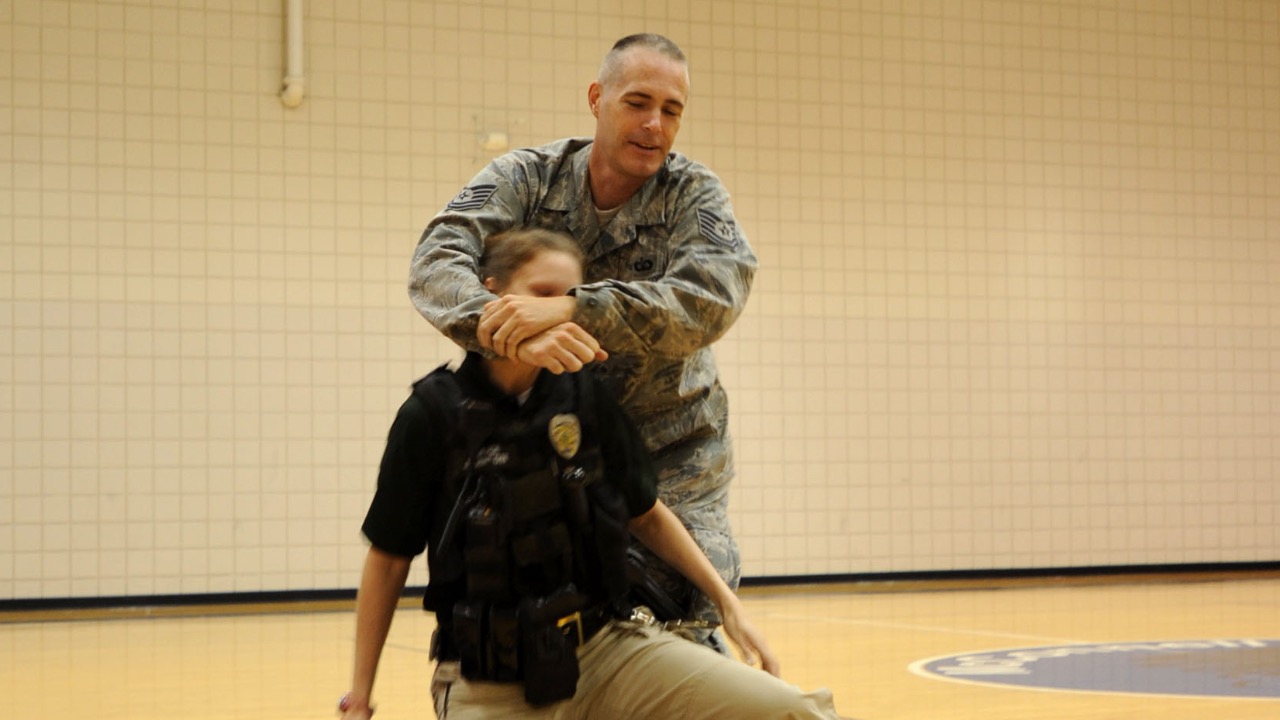
The most common regret is not about owning a weapon at all but about choosing the wrong tool for how danger actually unfolds. Self-defense instructors point out that real confrontations are messy, fast and full of uncertainty, not the tidy scenarios people imagine in their heads. One trainer describes how scripted drills and unrealistic expectations about timing give students a false sense of control over how violence will play out, and warns that if training flips the ratio of reality to performance, it stops preparing people and starts entertaining them instead.
That mismatch shows up in the gun world as well. A concealed carry case study describes a woman who replaced a Smith & Wesson with a Ruger LC9s because the new pistol seemed like an upgrade on paper. Under stress, the smaller, lighter gun proved harder to control and more punishing to shoot, a reminder that comfort in the store is not the same as control in a crisis.
Across weapons and gadgets, the pattern repeats. People buy what feels empowering in a calm environment, then discover during a confrontation that recoil, noise or even the mechanics of drawing and aiming are overwhelming. The regret is not simply fear. It is the realization that the chosen tool did not match their skills, their body or the kind of situations they are actually likely to face.
Ignoring the 3 D’s: de-escalation, disengagement, deterrence

Another frequent source of regret arrives when people realize they never needed to be in the confrontation at all. A detailed framework for self-protection argues that effective defense is a multi-layered strategy built on de-escalation, disengagement, and, not just physical combat. That approach starts with reading the situation early, using calm communication to lower the temperature, and then breaking contact before force becomes necessary.
Instructors who teach this model describe self-defense as a continuum. De-escalation might mean apologizing in a parking lot argument even if the other driver is at fault, because the goal is to get home alive, not to win a point. Disengagement can be as simple as crossing the street to avoid a group that feels wrong or driving to a police station instead of stopping to argue with an aggressive tailgater. Deterrence, in this context, is not about brandishing a weapon, but about projecting awareness and confidence so a potential attacker decides to look for an easier target.
People who skip those early steps often say later that they saw warning signs but pushed forward anyway, sometimes out of pride, sometimes out of a desire to stand their ground. After the first scare, they tend to remember the moment they could have walked away more vividly than the moment they reached for a weapon.
The legal trap of “just a warning shot”
Few choices generate more post-incident regret than firing what someone thinks is a harmless warning shot. Legal analysts who specialize in self-defense law describe warning shots as one of the most common and dangerous mistakes. One guide on common self-defense mistakes explains that discharging a firearm is almost always treated as use of deadly force, regardless of where the bullet lands.
Another section of the same legal analysis quotes a stark assessment of how that plays in court. It warns that Prosecutors will argue that the fact that a defender fired a warning shot shows that maybe there was no imminent threat, and that hesitation can be used against the defender in front of a jury.
Video instruction from a top self-defense attorney reinforces that message, walking viewers through the legal and practical dangers of warning. The attorney stresses that bullets that miss or are fired into the air still have to land somewhere, and that every round fired carries potential criminal and civil consequences. People who squeeze the trigger just to scare someone often find themselves facing charges they never anticipated, along with the heavy psychological burden of knowing their attempt to avoid harm may have created new risk for bystanders.
Psychological whiplash after the first scare
Even when no one is hurt and no shots are fired, the first real confrontation can leave a defender wrestling with second-guessing and intrusive memories. Psychological discussions about armed self-defense describe how people replay the incident in their minds, wondering whether they overreacted, underreacted or misread the threat entirely. Contributors who answer questions about second-guessing yourself after talk about sleepless nights, spikes of anxiety in crowded places and a lingering fear of legal fallout.
The mental toll is not limited to those who pull the trigger. People who simply draw a gun, or even just reach for a weapon they never actually use, often feel a jarring gap between how they imagined they would act and how they actually responded. Some describe a sense of shame at freezing, others a kind of moral hangover from realizing how close they came to taking a life. Without preparation, that first scare can turn a self-defense plan into a source of ongoing stress.
Therapists and experienced defenders alike tend to recommend structured debriefing, training that includes stress inoculation, and early legal consultation so that uncertainty does not spiral into panic. The key lesson is that psychological readiness matters as much as hardware choice, and that ignoring that side of the equation is another decision people come to regret.
Training myths and the illusion of control
Regret also grows out of training that sells certainty instead of adaptability. Some coaches criticize what they call performance-based self-defense drills, where students practice long, choreographed sequences that look impressive in a gym but fall apart under pressure. One blunt assessment warns that if training flips the ratio so that performance outweighs realism, it stops preparing people and starts creating dangerous overconfidence.
Real violence, as one instructor puts it, does not come with a script. The attacker might not telegraph intent, the environment might be cramped or slippery, and bystanders might get in the way. Training that assumes perfect conditions can leave students stunned when the first scare arrives and nothing looks like the drill. That shock can cause hesitation or wild overreaction, either of which can have serious legal and physical consequences.
More grounded programs emphasize short, simple responses, scenario work that includes verbal skills and escape routes, and honest conversations about fear. They also stress that self-defense is not only about fighting skills but about medical and safety competence. One discussion among gun owners points out that You are far more likely to need the Heimlich maneuver, cpr or bleed control than to fire in self-defense, and asks why people pour time into shooting practice while ignoring those other life-saving skills.
Better choices before the next scare
The pattern that emerges from legal commentary, training critiques and first-hand accounts is clear. People tend to regret self-defense choices that were made for comfort, image or fantasy, rather than for realism. They regret relying on hardware instead of on Awareness, Alertness, Avoidance, and action. They regret ignoring the 3 D’s and walking into conflicts they could have sidestepped. They regret warning shots that were meant to be a compromise and instead became a legal nightmare.

Asher was raised in the woods and on the water, and it shows. He’s logged more hours behind a rifle and under a heavy pack than most men twice his age.