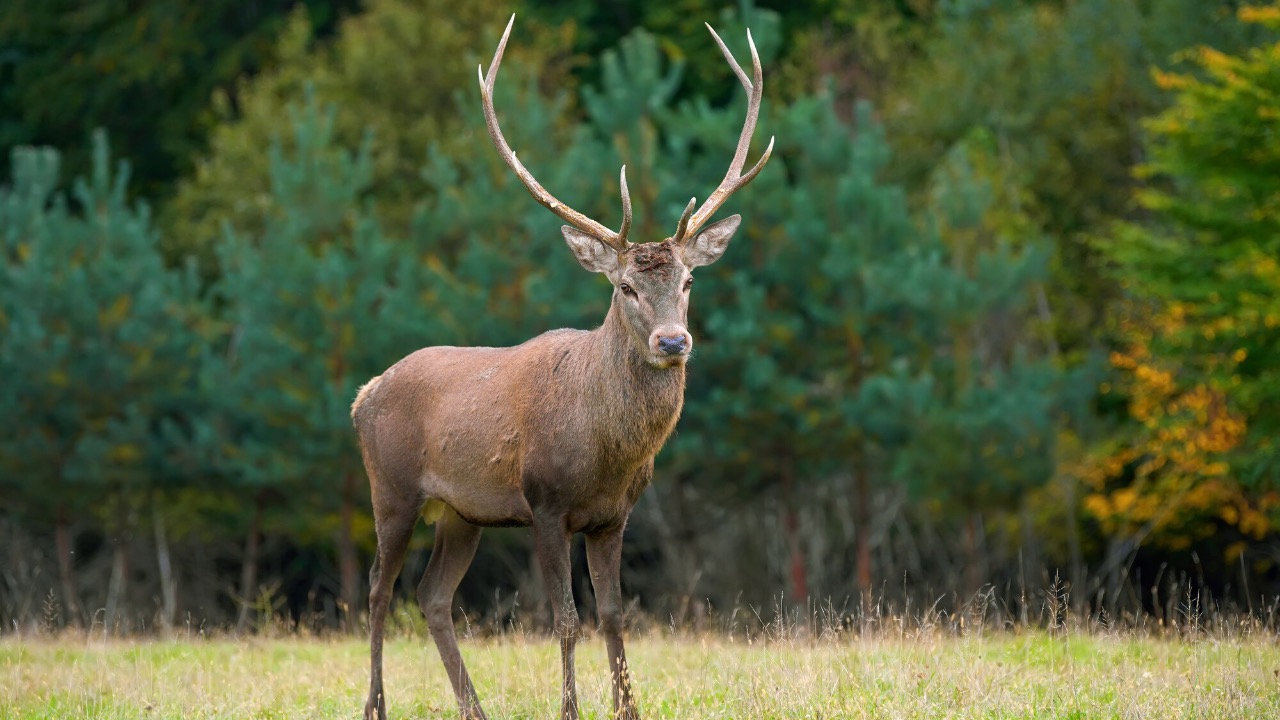
The simple hunting habits that consistently lead to success
Across whitetail woods and western basins, the hunters who tag out year after year are not relying on luck. They build simple routines that stack small advantages until success feels almost predictable. Those habits are repeatable for any hunter willing to trade gimmicks for discipline and a clear system.
Look from preseason scouting to mental toughness on the last day and the same patterns appear again and again. The most consistent hunters move with purpose, think like their quarry, and treat every decision as part of a long game rather than a single weekend in the field.
Relentless scouting, not secret spots
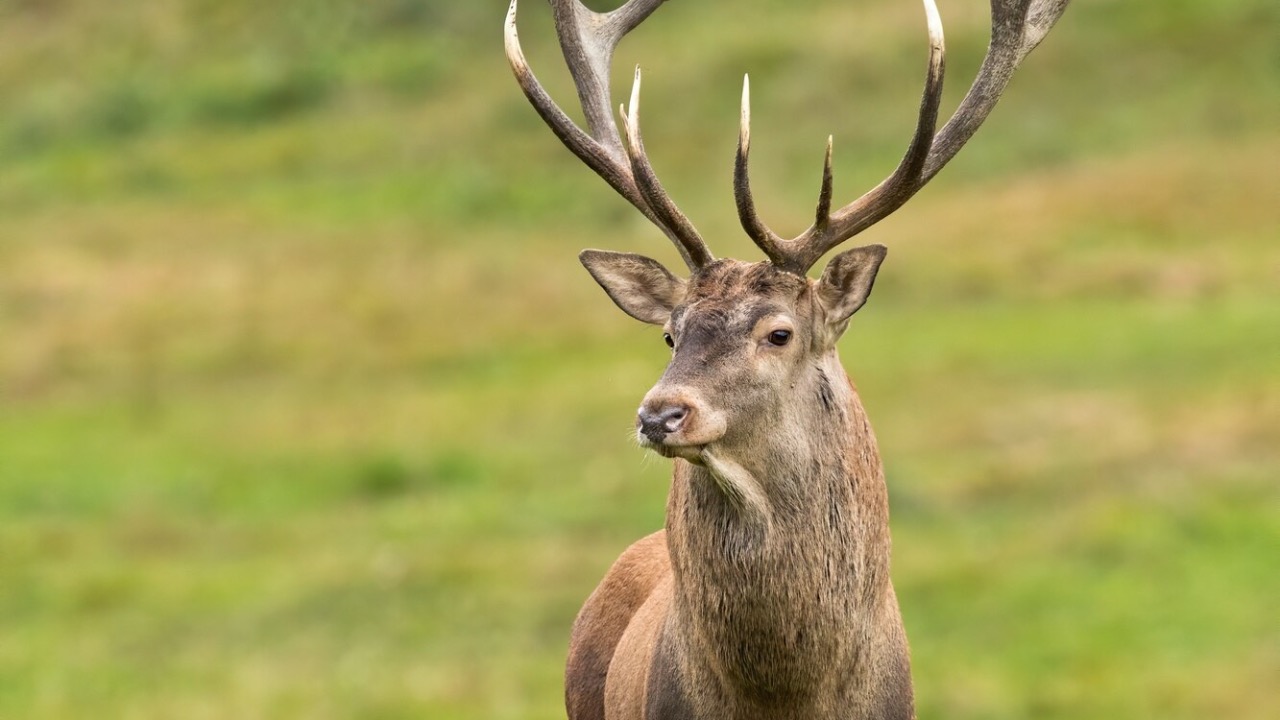
Consistent success starts long before a season opens. Hunters who fill tags regularly treat scouting as a year-round job, not a last-minute chore. One veteran list of habits even frames it in all caps, urging hunters to SCOUT CONSTANTLY rather than rely on a single promising stand.
This mindset shifts attention from hoping deer or elk wander by to learning exactly how they travel, feed, and react to pressure. Successful hunters walk access routes to find overlooked crossings, glass ridges to spot bedding pockets, and check prevailing winds against likely ambush sites. They also use failures as data. A blown stalk or empty sit leads to questions about wind, approach, or timing instead of excuses about bad luck.
Over time, that approach produces a mental map of how animals use a property in different conditions. When weather, hunting pressure, or crop rotations change movement patterns, the hunter who has scouted broadly can pivot quickly instead of stubbornly guarding a dead stand.
Fitness and movement that match the country
Physical preparation is often treated as optional, yet the hunters who consistently succeed in big country treat it as a nonnegotiable habit. A detailed breakdown of HABITS of CONSISTENTLY points out that they are fit enough to climb, sidehill, and backtrack without losing focus or form when a shot finally appears.
Fitness is not about gym selfies. It is about having enough endurance to hike to a glassing knob before first light, then still have steady legs and a calm heart rate when a bull or buck steps out at the edge of effective range. On the whitetail side, physical conditioning matters for still-hunting and tracking. One guide to still-hunting whitetails stresses that sound physical condition is essential or the hunter will fail in that demanding style.
Fit hunters also move differently. They can slow down, pick careful foot placements, and hold awkward positions without fidgeting. That control pays off when stalking or still-hunting through noisy cover where one rushed step can end a day.
Systems, not wishful goals
Another hallmark of reliable success is a shift from vague goals to repeatable systems. One practical framework urges hunters to Make Hunting Success by building routines around preparation, not just hoping for a big buck or bull.
That systems mindset shows up in small, consistent actions. Gear is checked and rechecked so that a loose sight, frayed sling, or dead rangefinder battery does not ruin a rare opportunity. One rut-focused guide bluntly states that hunters should Focus on keeping because nothing wrecks a season faster than a preventable equipment failure.
Consistent hunters also systemize their shooting practice. They rehearse realistic positions, distances, and shot angles instead of only standing flat-footed on the range. Some coaches urge archers to extend their practice to 10 or 20 yards beyond expected hunting shots so that real opportunities feel easier. One discussion of ingrained habits even encourages hunters to Practice 10-20 yards their typical range to build confidence and cleaner execution.
Detail-obsessed preparation
Hunters who succeed season after season are rarely casual about details. A widely shared seminar recap on deer tactics highlights how top hunters Pay Attention to such as wind shifts, thermals, entry routes, and even how clothing rustles against a tree stand.
The same attention extends to weapon setup. A back-to-basics breakdown notes that The Weapon must be dialed, with the hunter confident and well practiced, or lethal shots will not happen when it counts. That means verifying zero, practicing from hunting positions, and confirming that broadheads, slings, and optics all work together.
Detail-driven hunters also think hard about where they hunt. One practical guide opens with a blunt reminder that Location dictates the quality of deer that can be taken and that hunters must be realistic about the properties they invest time in. Another seasoned voice, reflecting on advice from a grandfather, distills success down to a simple truth that hunt where they, not where tradition or convenience suggests.
Stealth, scent, and the habit of hiding
Even the best location and scouting fall apart if animals detect a hunter first. Experienced whitetail hunters describe how they learn to HIDE OUT OF, treating concealment as automatic rather than optional.
That instinct extends beyond camouflage patterns. Effective hunters manage their visual profile, using terrain, shadows, and cover to break up their outline. One set of stalking tips emphasizes that Managing your visual and positioning is just as important as controlling noise or scent.
Scent discipline is another ingrained habit. Hunters who consistently see mature animals plan entry and exit routes with the wind in mind, avoid walking through bedding areas, and handle clothing and gear to minimize foreign odors. Over time, these small decisions dramatically reduce the number of times animals spook without the hunter ever knowing they were nearby.
Mental toughness and ethical discipline
Perhaps the most consistent trait among successful hunters is persistence. One detailed analysis of mindset argues that Persistence is the most effective tactic a hunter can have, yet it dies quickly without mental fortitude.
That grit shows up when weather turns bad, when several sits pass without sightings, or when a missed shot tempts a hunter to pack it in. Another perspective on mindset urges hunters to Keep it Positive and treat mental toughness as the secret to eventually notching a tag.
Ethics are woven into that toughness. Formal hunter education materials describe What Are the R’s of an Ethical Hunter, listing respect for self, respect for others, respect for wildlife, and respect for the resource as guiding principles. A related framework from Texas hunter education highlights The Four C’s, describing a responsible Texas hunter as careful, considerate, capable, and courteous.
These ethical habits are not separate from success. Hunters who respect property boundaries, pass marginal shots, and prioritize clean kills are more deliberate in every decision. That deliberation often leads to better setups, calmer shot execution, and stronger relationships with landowners and partners, which in turn open more opportunities.
Safety and lifelong learning as everyday practice
Finally, the hunters who keep succeeding over decades treat safety and learning as ongoing habits, not one-time checklists. A safety curriculum on the TOP TEN RULES safety stresses basics such as pointing the muzzle in a safe direction, treating every firearm as loaded, and clearly identifying the target and what lies beyond.
Long-term hunters also evolve through different priorities. A classic description of the Five Stages of explains how the TROPHY STAGE replaces simple Shooting quantity with a self-imposed selectivity that values the quality of the pursuit. That shift often leads to more thoughtful planning, refined standards for shots, and deeper respect for the animals being hunted.
Education never really stops. One practical guide to deer tactics warns that if a hunter stops learning, progress stalls. Social channels where hunters share observations show how often small experiments, such as trying a new access route or adjusting practice routines, lead to breakthroughs. A discussion on how habits can hinder success even suggests that never know trying may open the door to more opportunity.

Leo’s been tracking game and tuning gear since he could stand upright. He’s sharp, driven, and knows how to keep things running when conditions turn.