The used rifles shooters keep buying again and again because they simply work
Walk any gun show aisle and the pattern is obvious: the same battered bolt guns and surplus classics keep changing hands yet almost never disappear from the racks. Shooters buy them, hunt them hard, then sell or trade them only to hunt for another copy later, because these rifles simply work. Forged steel, honest walnut and decades of field use have turned a handful of models into the default answer when someone asks what to buy used.
From starter rimfires to big-game workhorses, the most sought-after secondhand rifles share a few traits: proven reliability, repeatable accuracy and parts support that outlives marketing trends. The following standouts show why certain used rifles remain perennial bestsellers.
Why old surplus rifles still draw lines

Modern budget rifles often rely on plastic stocks and inexpensive alloys, which can leave experienced shooters feeling like they are buying something disposable. Classic surplus rifles, by contrast, were built from forged steel and walnut for soldiers who expected them to survive mud, cold and neglect. A detailed breakdown of surplus options stresses that many of these rifles were engineered to last through war, not just a few hunting seasons, and that difference in materials is a major reason shooters keep chasing them on the secondary market.
Collectors and hunters gravitate to military surplus because they can still assemble a battery of tough rifles at relatively low cost. Guides to military surplus rifles point out that buyers can add Mauser variants, 1903 style sporters and other classics to a safe for less than many new production models. Another video rundown of 15 old surplus highlights how these guns deliver long service life compared with many modern budget offerings.
That combination of durability and value explains why sporterized 1903 rifles and Mauser based builds keep surfacing in recommendations. In one Comments Section, hunters mention a sporterized 1903 or Mauser alongside more modern choices for a general purpose rifle, treating these century old actions as completely viable tools.
Ruger 10/22, the repeat buy rimfire
Among rimfires, the Ruger 10/22 might be the clearest example of a rifle that shooters buy, sell and then buy again. A discussion among first time owners notes that it is hard to go wrong with a Ruger 10/22 as a first rifle, since Ruger designed it to be reliable, inexpensive and highly modular.
Another value focused guide ranks the Ruger 10/22 as the first pick among the 5 Best Used Firearms Under $500, calling it The Ultimate Rimfire Workhorse. That label matches the way owners treat the gun. They use it for plinking, small game and training, then customize it with barrels, triggers and stocks when their skills grow. Because the platform is so modular, a used 10/22 rarely stays stock for long, which keeps demand high for both older rifles and their parts.
Rimfire shooters also trust the 10/22 to keep running with minimal maintenance. The design has been around long enough for any quirks to be well understood, and aftermarket support is deep. That predictability makes it easy for someone who sold a 10/22 years ago to step back in, buy another used example and know exactly what they are getting.
Weatherby Vanguard and Obsidian, used precision on a budget
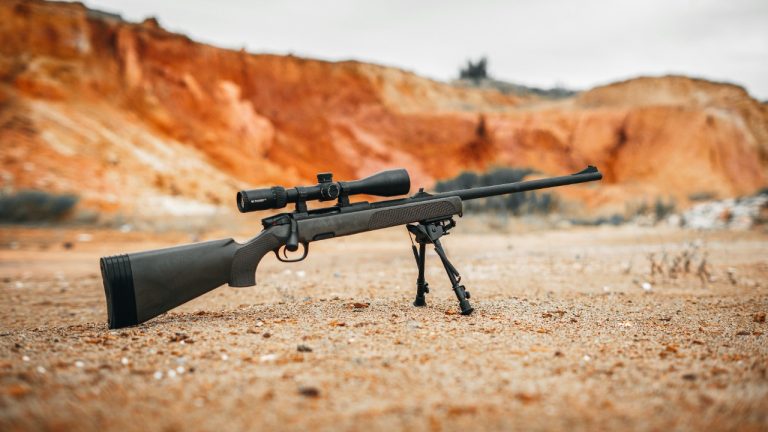
On the centerfire side, the Weatherby Vanguard has become a fixture of the used rifle rack. A detailed review of top hunting rifles to buy used singles out the Weatherby Vanguard Series 2 as a standout for shooters who are clamoring for a Weatherby but cannot afford a Mark V. The analysis concludes that, for the money, the Vanguard is utterly reliable and superbly accurate, which explains why used examples rarely sit long.
Weatherby has also pushed into the budget new rifle category with the Weatherby Obsidian. A recent comparison of affordable big game rifles notes that The Weatherby Obsidian at $549 is one of the cheapest rifles in its test group, yet its fit and finish suggest a more expensive gun. That kind of value in the new market tends to translate quickly into used demand, since buyers know they can pick up a lightly used Obsidian that already has a track record for accuracy.
Both rifles share a reputation for out of the box precision that rivals more expensive models. When shooters can get sub minute groups from a factory barrel and a smooth two stage trigger, they are more likely to trust a used example and less worried about chasing aftermarket upgrades.
Winchester Model 70 and Remington 700, the classic debate
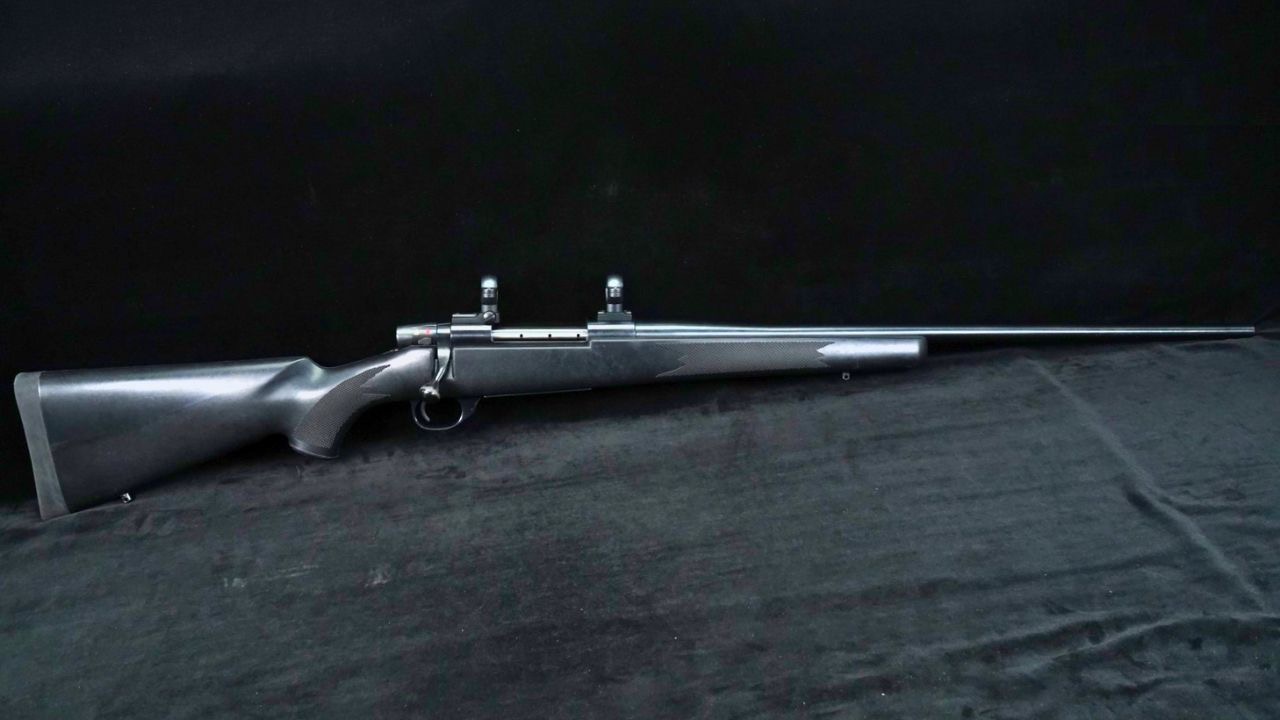
No discussion of used rifles that keep coming back would be complete without the Winchester Model 70 and the Remington 700. These two designs have anchored hunting camps for generations, and shooters still argue about which is better. A long form comparison on which is better notes that both rifles are very accurate, with differences in how each action feeds cartridges and how the safety operates.
Fans of the Winchester Model 70 often point to pre 64 style controlled round feed and classic styling. A video review that asks whether the Winchester Model 70 is overrated opens with hickcock 45 handling a pre 64 rifle and calling it beautiful, then proceeds to shoot a .30 6 version on steel. That same reverence shows up in hunting forums where users recommend the Winchester model 70 as a prime candidate for an older general purpose hunting rifle.
On the other side, Remington supporters highlight the 700 action as a foundation for both hunting and precision builds. One enthusiast guide describes the REM700 as THE DEFINTIVE GUIDE to the platform and notes that One of the key features of the REM700 is its strong and rigid receiver. The same source explains that the Remington 700 has been in production for over 50 years, valued for accuracy, durability and versatility. Owners echo that confidence in discussions about whether to choose a Winchester or a, with one shooter stating that a 700 BDL in 30.06 is ideal for anything in North America.
Even casual comments on social media reinforce the pattern. One shooter says they have had good luck with Browning and Remington rifles and never had trouble with any they own or have owned. That sort of long term satisfaction feeds a healthy used market for both Winchester and Remington, since buyers trust that a well cared for 70 or 700 can serve for decades.
Workhorse deer rifles that never leave circulation
Beyond the headline names, several workhorse deer rifles quietly rotate through pawn shops and auction sites while remaining constant in the field. A rundown of Used Deer Rifles points to the Marlin 336 as an obvious inclusion, noting that There was little doubt the Marline 336 would make the list. The 336 action has carried whitetail hunters for generations, and its combination of lever action speed, manageable recoil and common cartridges keeps demand steady.
Hunters on forums also recommend older Remington 700 rifles before they changed manufacturing practices, along with pump action options like the 7600 in 30.06. These suggestions underline a broader trend: when shooters talk about rifles that just keep working, they often mean designs that have already proven themselves for several decades.
Surplus themed content reinforces that point. A video on 17 surplus rifles that never need repairs argues that many modern rifles are built to look good on a shelf, while older designs were built to survive the end of the world without a single spare part. That mindset drives hunters to pick up used bolt actions and lever guns that may show honest wear yet still function flawlessly.
Value, resale and why used rifles keep moving
For many buyers, the appeal of these rifles is not only reliability but also financial sense. A guide to which guns hold notes that understanding which firearms preserve resale price helps collectors and investors make smarter purchases. Classic bolt actions from major brands, proven rimfires like the Ruger 10/22 and desirable surplus pieces often hold or even increase their value when bought used.

Leo’s been tracking game and tuning gear since he could stand upright. He’s sharp, driven, and knows how to keep things running when conditions turn.