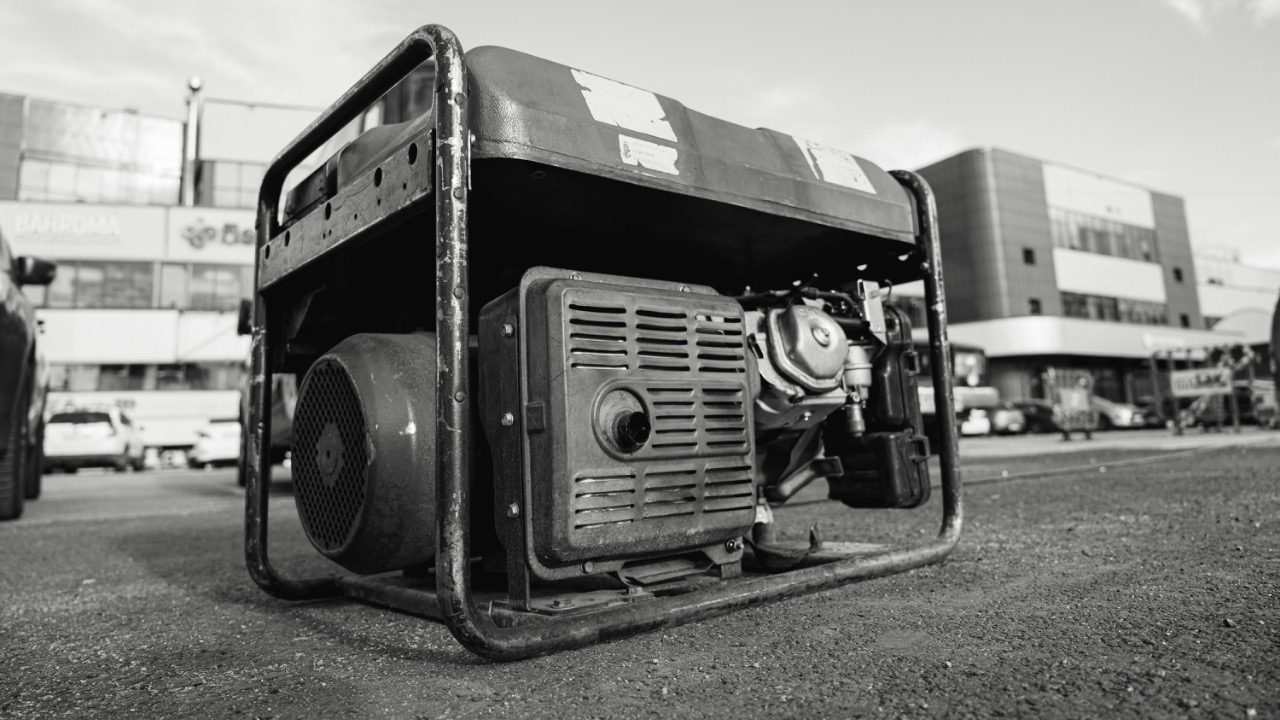
Think Twice Before Plugging These Items Into a Generator
When the grid goes dark, a portable generator can feel like a lifeline, but treating it like an ordinary wall outlet is a quick way to ruin appliances or create serious hazards. Some devices pull more power than a small unit can safely deliver, and others are simply not built for the voltage swings and “dirty” power that many generators produce. Thinking carefully about what gets plugged in can be the difference between a safe outage plan and a burned-out motor or fried circuit board.
Rather than powering everything in reach, homeowners need a strategy that prioritizes essentials and respects the limits of the machine. That means knowing which items are most likely to overload circuits, which electronics are vulnerable to even brief surges, and why certain connection methods are considered dangerous or even illegal. With a little planning, a generator can keep the lights on without putting the house or the equipment at risk.
Why generators are not just big extension cords
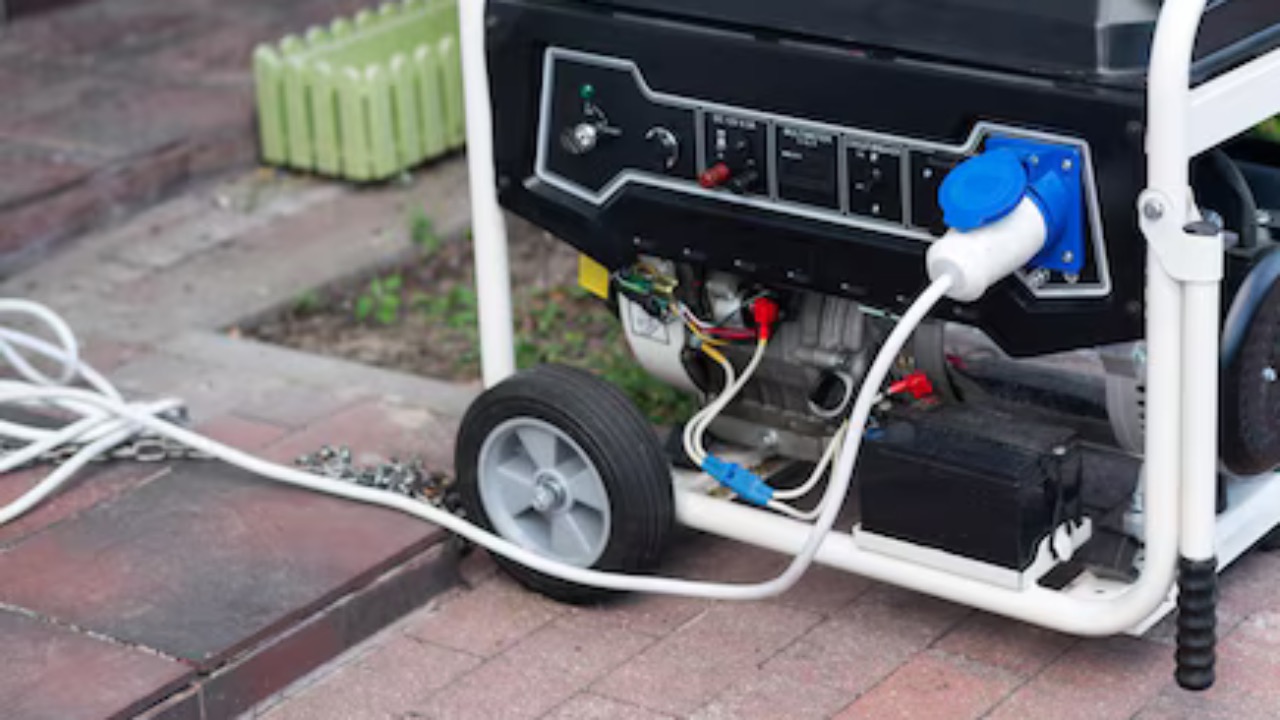
Many people treat a generator as a giant outdoor power strip, yet the electricity it delivers often behaves very differently from utility power. Smaller portable models typically rely on simple alternators and mechanical governors, which can let voltage and frequency wander as loads switch on and off. Technical guidance on dirty power explains that sensitive electronics prefer a clean sine wave with minimal harmonic distortion, while basic generators can deliver output that is rougher and more erratic.
Every unit also has a hard ceiling on how much wattage it can supply before tripping breakers or overheating. Industry advice on avoiding generator breakdowns points to overloading as a leading cause of failure, since repeatedly pushing a machine beyond its rating can damage windings and insulation. Treating the outlets as if they had limitless capacity encourages exactly that kind of abuse, especially when users start stacking power strips or daisy chaining extension cords to run half the house at once.
The hidden risks of plugging in computers and other electronics
Few people want to ride out a blackout without laptops, phones, or Wi-Fi, yet those devices are among the most vulnerable to unstable power. Reporting on what not to connect highlights that computers, smart TVs, and modern game consoles all pack dense integrated circuits that can be damaged by even brief voltage spikes. Analysis from surge protection specialists notes that generator output can include small but frequent variations, and that repeated power surges can slowly degrade chips, capacitors, and other delicate parts long before a visible failure.
Storage devices are especially at risk when power cuts in and out. Guidance on protecting data warns that desktop computers, HDDs, and SSDs are particularly vulnerable to unexpected outages, since a sudden loss of power during a write can corrupt entire file systems. If a generator bogs down when a big appliance kicks on, that momentary sag can mimic a hard shutdown and leave drives in an inconsistent state. For anyone who must run computers on backup power, pairing the generator with a quality UPS and surge protection is far safer than plugging devices directly into a raw outlet.
Why high-heat appliances can overwhelm a generator
Devices that create heat with resistance coils are among the hungriest loads in a typical home, and they can quickly overwhelm a portable unit. Guidance on generator use flags that devices that have, such as toasters, hair dryers, and space heaters, draw large amounts of current as soon as they are switched on. Separate safety advice groups toasters, space heaters, together as classic examples of high power draw that can overload a small generator and increase fire risk.
Unlike refrigerators or sump pumps, which cycle on and off, many heating appliances stay at full draw for long stretches, so they keep the generator pinned at its limit. That constant strain not only raises the chance of tripped breakers or stalled engines but also shortens the life of the machine itself. Advice on household electrical safety recommends spreading out high wattage appliances across circuits to prevent overload, and the same logic applies even more strongly when the entire home is running on a generator with a fraction of the grid’s capacity.
Backfeeding and why a wall outlet is the wrong connection
One of the most dangerous mistakes is plugging a generator directly into a household receptacle in an attempt to energize the whole panel. Electrical professionals describe this practice, known as backfeeding, as both unsafe and illegal in every U.S. state under national electrical codes. A safety campaign on social media spells it out bluntly, warning that backfeeding a generator without a transfer switch can send power back onto utility lines where crews expect them to be dead, creating a shock hazard that can be fatal.
Professional installation guidance reinforces that a transfer switch is the only safe way to tie a generator into home circuits, since it mechanically isolates the house from the grid and prevents current from feeding back into the network. Additional how-to material on connecting backup power stresses the same point and tells homeowners to never plug a into a wall outlet. Besides the risk to lineworkers, backfeeding can energize circuits in unpredictable ways inside the home, overloading wiring that was never intended to carry that much current.
Power strips, daisy chains, and overloaded circuits
When outlets are scarce, the temptation is to stack power strips and extension cords until every plug is filled, but that habit can quietly defeat the generator’s built in protections. Consumer guidance on what not to connect warns against power strips connected to a generator, since they make it easy to exceed the rating of a single outlet or cord. If each strip feeds several high draw devices, the combined load can surpass what the receptacle or cable can safely handle long before the generator’s own breaker trips.
Electrical safety advice for homes points out that clustering multiple high wattage devices on one branch circuit is a common cause of overheating and nuisance trips, which is why experts urge people to spread out high appliances. With a generator, the stakes are higher because users may rely on long, undersized cords that add resistance and heat. Daisy chaining strips or cords multiplies connection points and failure modes, increasing the chance of melted insulation, arcing, or fire, especially if the setup is running unattended overnight.
Medical devices and life safety equipment
Some of the most sensitive items in a home are also the ones that matter most in an emergency, including oxygen concentrators, home dialysis machines, and powered hospital beds. While these devices are designed to meet strict standards, they still depend on stable voltage and frequency, and a small portable generator may not deliver the consistency they require. Fire protection specialists warn that big surges from lightning or power switching can cause component damage in alarm panels and detectors, and similar spikes from unstable backup power can have the same effect on other life safety electronics.
Generator buying guides aimed at homeowners emphasize that anyone who depends on powered medical equipment should size and configure their system with professional input. Expert advice on whether a household should home generator stresses planning for critical loads first, not simply guessing at wattage. In many cases, a permanently installed standby unit with automatic transfer and voltage regulation is a better fit for medical needs than a basic portable model. Where that is not possible, patients are often urged to coordinate with healthcare providers and local utilities about backup options rather than trusting a makeshift setup assembled during a storm.
Heavy-duty tools, welders, and workshop gear
Outages do not always hit when the house is quiet, and many users try to keep garages or job sites running on generator power. Large air compressors, table saws, and especially welding machines can place intense and uneven demands on a portable unit. Technical guidance on choosing backup power for welding notes that one of the factors is whether the generator is running on dirty power, since sensitive electronic inverters inside modern welders can be damaged by unstable voltage or frequency.
Beyond quality of power, the raw amperage that heavy tools draw can exceed what a modest portable can supply, especially during startup. Industry advice on avoiding portable generator failure ties many breakdowns to exactly this pattern, where users plug in tools that draw too much power and repeatedly trip or overheat the machine. For workshop gear with big induction motors or high duty cycles, a correctly sized generator with clear wattage margins and proper surge handling is essential, and some tools are better left idle until grid power returns.
How much can one generator really handle?
Deciding what to plug in safely starts long before the storm hits, with a realistic look at the generator’s rating and the home’s essential loads. Detailed sizing guides walk homeowners through calculating total wattage and explain that picking the right capacity is one of the key steps in choosing what size generator they need. Another expert breakdown on buying backup power for hurricane season lists dos and do nots for new owners and stresses that understanding startup surges, not just running watts, is central to avoiding overload.
Those same guides urge people to think in terms of priorities rather than trying to replicate full grid service. Advice on generator ownership explains that households should focus on refrigerators, sump pumps, select lights, and device charging, while leaving high draw luxuries offline until the outage ends. For anyone still shopping, experts recommend reading through the expert dos and before buying a first generator, since oversizing or undersizing can both create problems. A unit that is too small invites constant overloading, while one that is far larger than needed may be expensive to fuel and maintain without adding real resilience.
Safer ways to power what matters most
Once a generator is properly sized and installed, the safest approach is to create a short list of priority items and stick to it. Consumer advice on what not to plug in points out that, while a generator can be a lifeline, there are a appliances that should stay unplugged entirely because of their power draw or sensitivity. Separate reporting on common mistakes echoes that guidance and frames the goal as keeping food cold, maintaining basic lighting, and charging key electronics, not running every convenience at once.
Safe connection is just as important as choosing the right devices. Manufacturer guidance on connecting a generator to a home stresses the role of transfer switches, proper cords, and weather rated outlets, while social media safety campaigns like Dangers of Backfeeding highlight what to avoid. For those who are still evaluating whether backup power is right for their property, broader home guides suggest weighing the cost of a generator against the frequency of outages, the presence of medical equipment, and even local weather risks tracked through services such as weather forecasts. Planning around those realities, rather than improvising in the dark, is the best way to keep both people and equipment safe when the lights go out.

Asher was raised in the woods and on the water, and it shows. He’s logged more hours behind a rifle and under a heavy pack than most men twice his age.