How Canada’s gun ownership laws compare to the United States
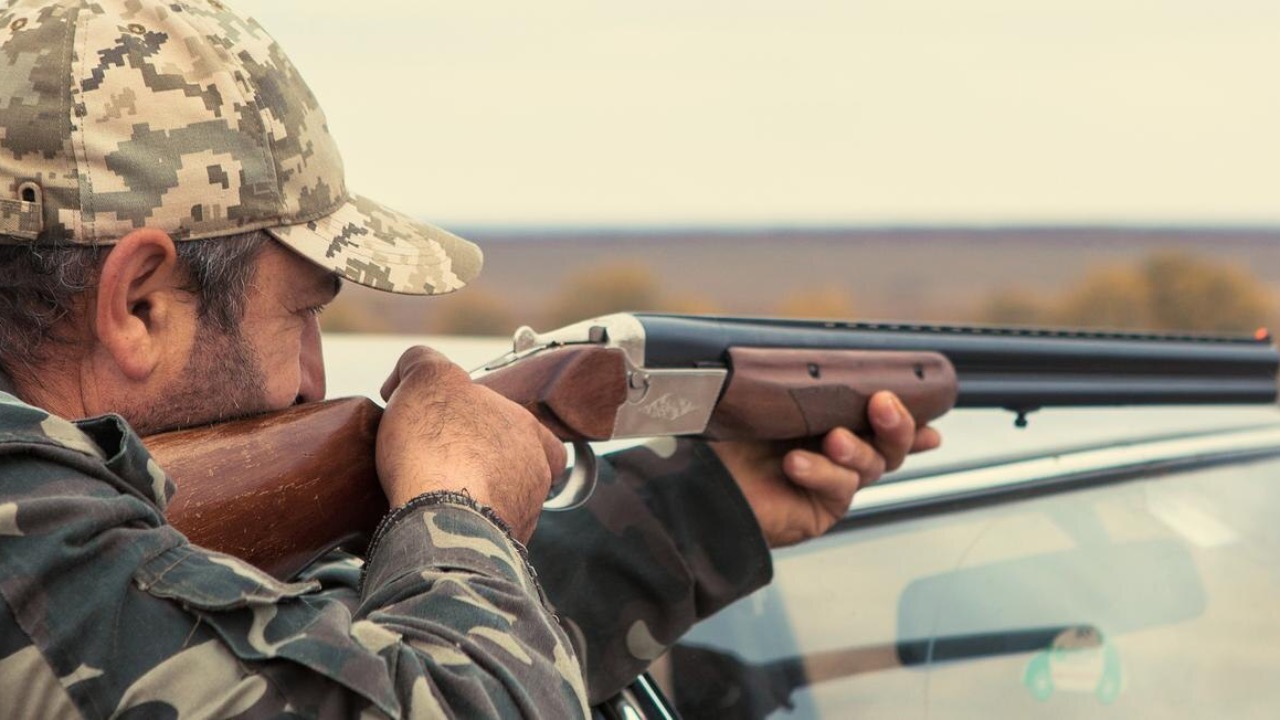
Gun debates in North America often lump Canada and the United States together, but their rules, culture, and outcomes around firearms are very different. The contrast shows up in everything from how easy it is to buy a handgun to how each country responds after a mass shooting. This article walks through those differences in plain language, so readers can see how two neighbors made very different choices about guns and public safety.
Two neighbors, two very different starting points
The United States and Canada share a long border, a deep trading relationship, and many cultural ties, yet their basic approach to guns starts from opposite assumptions. In the United States, the 2nd Amendment is treated as a core individual right, and that shapes every legal and political fight around firearms. One analysis bluntly notes that there is one big difference between the United States and Canada, that Americans have an Amendment that protects gun ownership while Canadians do not, which creates a sharp legal and cultural divide between the two countries and their views on weapons and self defence, as described in an opinion that contrasts the United States and Canada on this point of constitutional law and social norms around firearms United States and.
Canada, by contrast, treats gun ownership as something that must be licensed and controlled at the federal level, not as a constitutional guarantee. Reporting from ST. CATHARINES, ON, on comparing gun laws in Canada and the United States explains that when Canadians talk about firearms, they are often working within a framework that assumes national rules, background checks, and categories of firearms, while debates in the United States revolve more around state differences and the boundaries of federal power, a contrast that shows up whenever observers are comparing Canada and the United Stat in public conversations about regulation and rights Comparing.
How licensing and registration work in Canada
In Canada, anyone who wants to own a firearm must first get a licence, pass safety training, and be cleared by police checks. A detailed description of Canadian rules explains that once the police are satisfied with the applicant’s fitness to own a gun, the gun will be registered, and that this registration step comes after background checks and other assessments that are built into the structure of Canadian firearms laws, which are designed to screen out people who pose a risk before they can legally possess a weapon, a process summarized in a legal review that notes Once the authorities have approved the person, the firearm itself is added to official records Once the.
Those rules are not left to each province to design from scratch. A recent overview points out that Currently, gun ownership in the Canadian provinces is largely federally regulated by the government in Ottawa, and there are stricter controls than in many other countries that are often used as comparisons, such as England and Wales or Australia, which means a hunter in Alberta and a sport shooter in Quebec are both subject to the same national licensing framework and screening standards set in Canadian law and administered from Ottawa Currently.
How the U.S. buying process differs
In the United States, the process to buy a gun is often shorter and more fragmented, because it depends heavily on which state a buyer lives in. One comparison from a Canadian law firm states that There is a huge legal difference in the buying process of Canada and USA, and that USA has a much simplified process to buy a gun, allowing quicker purchases with fewer steps in many jurisdictions, which can include skipping licensing or training that would be mandatory north of the border, a gap that shapes how easily first time buyers can become gun owners in Canada and USA and how consistently background checks are applied across the USA There.
Even when states do add extra checks, the picture is patchy. A school analysis notes that However, only 21 out of 50 states require a permit before getting a gun, and only 14 of the 50 states require a live-fire training session, so a buyer in one part of the country may face a basic background check at a store counter while a buyer in another state must complete a course at a range, which shows how uneven the standards are even before any federal rules apply across all 50 jurisdictions However.
Global context: Canada closer to peers, U.S. as an outlier
When I step back and look at rich democracies as a group, Canada’s system looks more familiar than the United States model. One review of international rules notes that the Global Trend on Firearms Regulations is to require some form of licensing for gun owners and registration for at least some classes of firearms, and it explains that a principal difference in the way some countries design these systems is whether the rules are applied consistently and backed by enforcement, which can make them far less effective if they are weak or full of loopholes, a warning that helps explain why strong national standards matter in practice Global Trend.
Canada’s choice to treat gun ownership as a licensed activity, with national rules and registration, fits that global pattern more closely than the U.S. approach that leans on a constitutional Amendment and a patchwork of state laws. A policy comparison of Canada and the United States suggests that people outside North America often see Canada as aligned with other countries that license firearms for hunting and sport, while the United States stands out for its higher tolerance of civilian gun ownership and more limited national regulation, especially around handguns and rifles used for self defence, a difference that shapes how both countries are viewed abroad United States.
Assault-style firearms and handguns: Canada’s recent clampdown
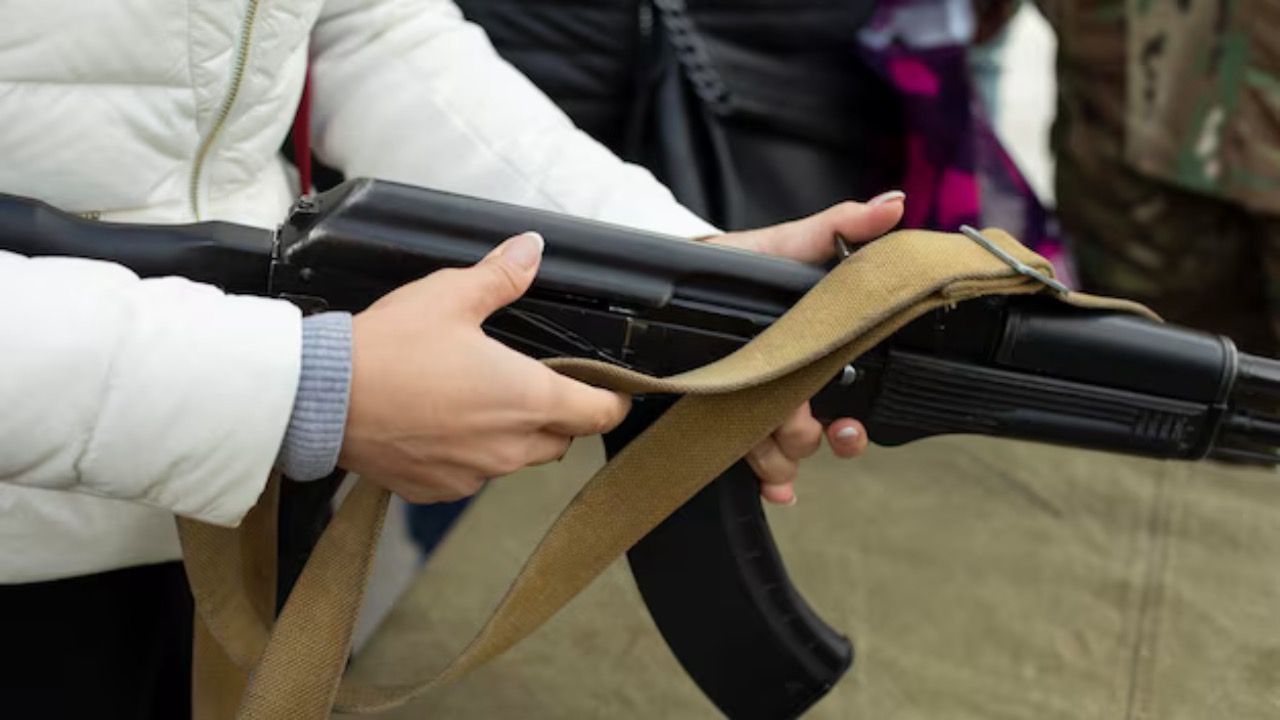
Canada has tightened its rules on some of the most controversial weapons, especially rifles that are described as assault-style and handguns that are common in urban crime. A recent summary explains that Canada’s Strict Gun Laws Include a Ban on Assault-Style Firearms and a Freeze on Handgun Sales, and that Canada has moved to restrict the sale and transfer of many semi automatic rifles that have been used in high profile attacks, while also stopping most new handgun purchases, with the goal of reducing the number of these weapons in circulation over time, a strategy that goes beyond simple background checks and moves into active limits on certain categories of guns Strict Gun Laws.
Another report on the same policy shift notes that Canada’s strict gun laws include banning assault-style firearms and a freeze on handgun sales, and it links those steps to a broader effort by Canada to prevent future attacks by limiting access to high capacity weapons, explaining that these measures have been rolled out nationally and have become a central part of the political debate around firearms, especially as critics argue about how to define Assault and Style Firearms and whether the freeze on handguns should be permanent or adjusted in the future as crime patterns change Canada.
How U.S. federal law is shifting, from NFA items to suppressors
While Canada has focused on bans and freezes, recent changes in the United States have targeted a different part of gun law, the National Firearms Act, or NFA. One legal explainer notes that Big changes are coming for lawful gun owners on Jan. 1, 2026, when major adjustments to the National Firearms Act (NFA) officially take effect, and it highlights that these changes will alter how items like suppressors are treated, including how applications are processed and how the federal system adapts to higher application volumes, which could make it easier for some owners to register gear that was once more tightly controlled under the NFA framework National Firearms Act.
Another guide aimed at gun owners describes How the New Law Affects Suppressors, Other NFA Items, Big updates that include a section titled The Biggest Win, which explains that some suppressors and short barreled rifles may be easier to own with less tax burden, even as registration rules remain in place for these NFA items, a reminder that while Canada is adding more limits on types of firearms, parts of U.S. federal law are shifting in ways that some gun rights advocates see as a victory for easier access to specialized equipment How the New.
Gun violence and mass shootings: outcomes on the ground
The most emotional part of any gun debate is the human toll, and here the contrast between Canada and the United States is stark. One comparison of Gun Incidents and Laws in the U.S. and Canada notes that During the year 2018, there has been over 47,000 g incidents in the United Stat, a figure that includes everything from homicides to accidental shootings, and that number is often used to show how much more common gunfire is in American communities than in Canadian cities and towns that have similar levels of economic development but far fewer firearms per person Gun Incidents and.
Canada is not free of tragedy, but the scale is different. A recent report notes that Mass shootings in Canada are rare, and that the country has strict gun regulations, much stricter than even the most progressive states in the United States, and it connects those rules to lower rates of attacks with semi automatic rifles and shorter barrel weapons, including limits on magazines and requirements for registration of firearms with a barrel of less than 18.5 inches, which together aim to reduce the risk that a single person can cause mass casualties in a short period of time Mass.
Culture and public opinion: self-defence vs sport and hunting
Law is only part of the story, because culture and public opinion shape how those rules are written and enforced. A comparison of firearms and self defence attitudes finds that the data also suggest that people in the United States are generally more supportive than Canadians of civilian gun ownership and see firearms more often as tools for protection, while Canadians of similar backgrounds are more likely to view guns as equipment for hunting and sport shooting, which changes how each public reacts to proposals like mandatory storage rules or limits on carrying weapons in public places Canadians of.
Those cultural differences show up in daily politics too. A recent analysis of Jan debates on firearms notes that Canada, on the other hand, has taken a more restrictive path, and that While the reference material focuses heavily on U.S. law enforcement and crime trends, the Canadian side of the story is about licensing, storage rules, and national limits, which are quite distinct from the American pattern of state level fights over concealed carry and stand your ground laws, a split that reflects deeper differences in how each society thinks about risk, responsibility, and the role of the state in regulating weapons Canada.
Where the debate goes next on both sides of the border
Even with these clear differences, both countries are still arguing about how far gun laws should go. In Canada, new measures like the Ban on Assault and Style Firearms and the freeze on handguns have triggered court challenges and political pushback, and one wire report on Feb debates notes that Canada’s strict gun laws include banning assault-style firearms, freeze on handgun sales, and that these steps have become a central test of how far federal leaders can go in restricting legal owners while claiming to target crime, a question that will shape future rounds of reform and any adjustments to the current freeze Assault.

Leo’s been tracking game and tuning gear since he could stand upright. He’s sharp, driven, and knows how to keep things running when conditions turn.