Tom Laughlin Fought Bullies in Billy Jack — His Real-Life Battles Were Tougher
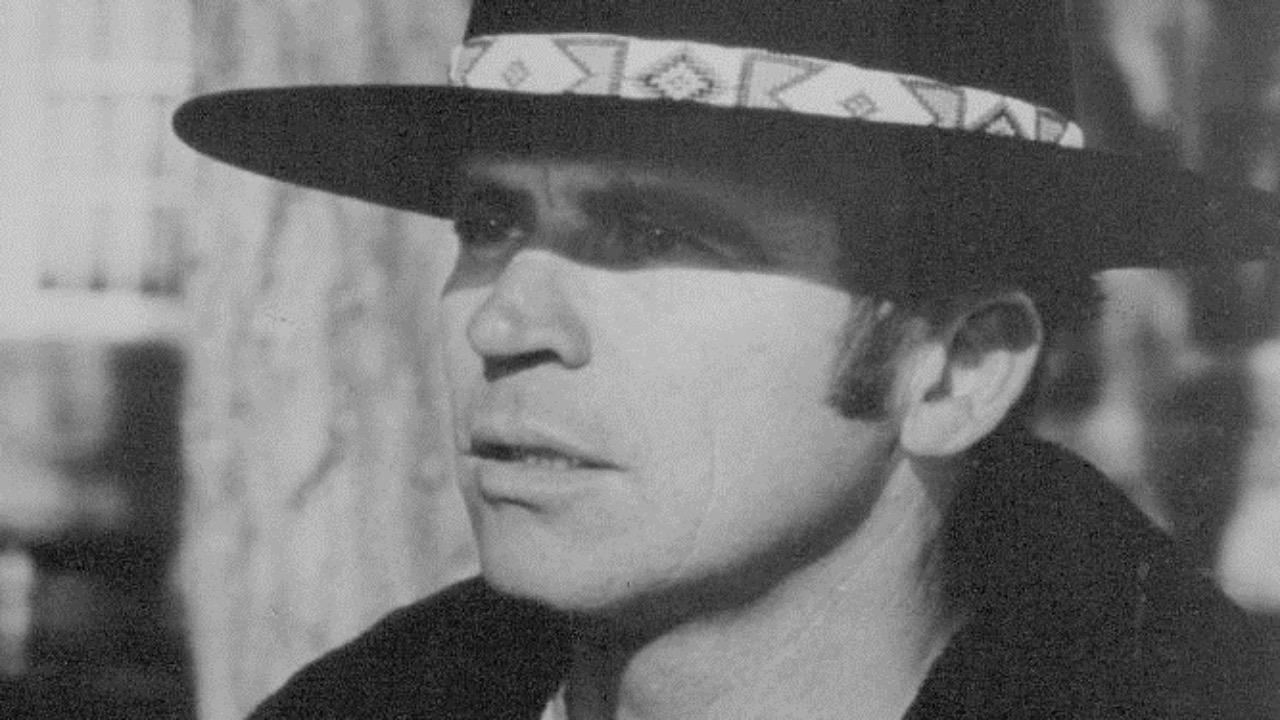
When you think of Tom Laughlin, you probably picture him standing alone in a dusty street, staring down a gang of rednecks before delivering that famous roundhouse kick. In Billy Jack, he played a half-Native American Vietnam veteran who protected the vulnerable with quiet intensity. The film became a cultural lightning rod in the early ’70s and turned Laughlin into an unlikely counterculture icon.
But the man behind Billy Jack wasn’t only fighting staged battles. Off camera, Laughlin wrestled with Hollywood studios, political systems, financial risks, and even the courts. His real-life conflicts lasted longer and cut deeper than anything scripted for the screen.
He Built Billy Jack Outside the Studio System
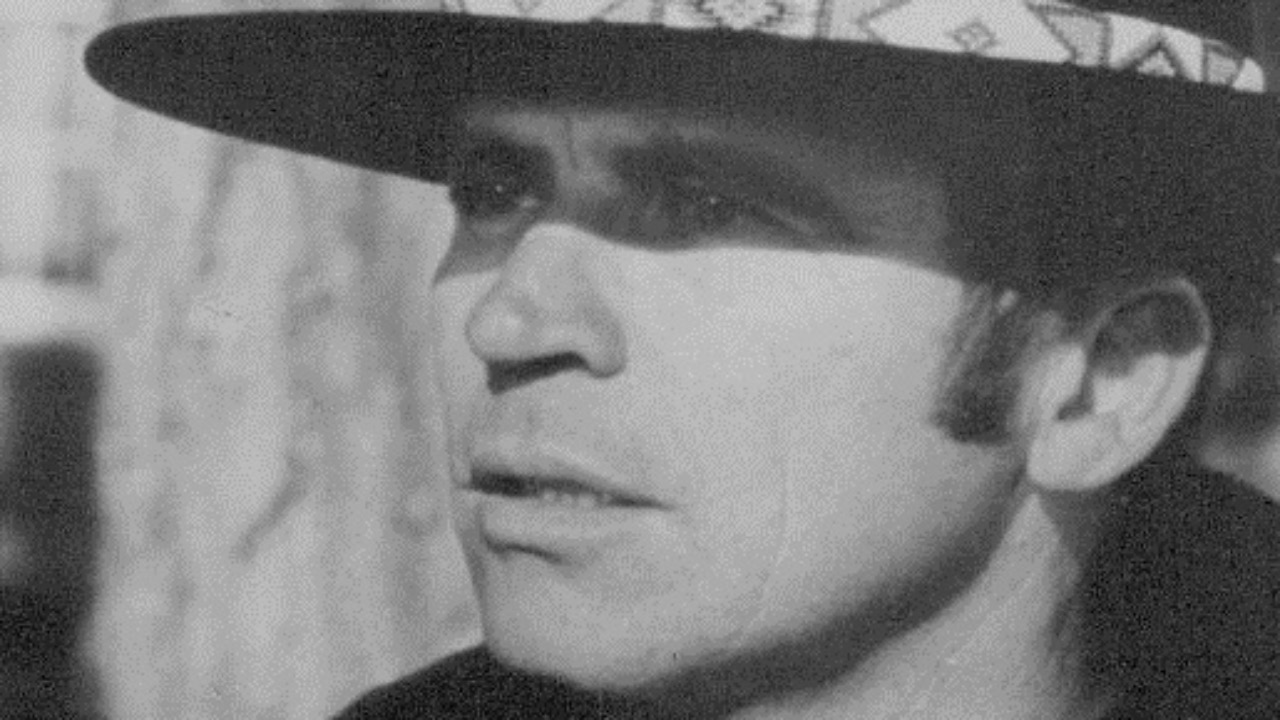
You have to understand how unusual it was in the early 1970s for an actor to seize control the way Laughlin did. He and his wife, Delores Taylor, financed and produced Billy Jack largely on their own terms. Major studios didn’t know what to do with its mix of social protest, martial arts, and counterculture themes.
When distribution deals went sideways, Laughlin didn’t fold. He reclaimed the film’s rights after a legal battle and re-released it himself. That gamble paid off, turning the movie into a surprise box office success. Still, taking on distributors and studios drained time, money, and energy. He wasn’t only promoting a film — he was fighting for ownership in an industry that rarely handed it over.
He Took On the Ratings Board
You might remember the film’s violence feeling raw for its time. The Motion Picture Association didn’t see it as harmless storytelling. Laughlin went head-to-head with the ratings board over edits and classifications that he believed would gut the movie’s message.
This wasn’t a short disagreement. He publicly criticized the system and accused it of inconsistency and bias. Challenging Hollywood’s gatekeepers can stall a career, and it did slow his momentum in the mainstream industry. But Laughlin wasn’t wired to back down. The same stubborn streak that defined Billy Jack showed up here, except this fight involved contracts, hearings, and press conferences instead of fists.
His Political Ambitions Cost Him
Laughlin didn’t keep his convictions confined to scripts. In the 1990s and 2000s, he mounted long-shot presidential campaigns under third-party banners, including the Democratic and Reform parties. He believed deeply in populist reform and campaigned across the country to push those ideas.
You don’t run for president without paying a price. The campaigns required significant personal funding and drew criticism from both political insiders and former fans who preferred him as a movie icon. The spotlight shifted from his art to his ideology. Win or lose, stepping into national politics is a bruising experience. For Laughlin, it was another arena where the fight proved tougher than the applause.
Financial Highs and Hard Falls
When Billy Jack exploded at the box office, the money flowed fast. But independent filmmaking carries risk, and Laughlin often reinvested heavily into his projects. Sequels like The Trial of Billy Jack stretched budgets and patience.
Production delays and legal entanglements took their toll. Not every project matched the original film’s commercial success, and maintaining control meant assuming the losses as well as the gains. You see this pattern often with fiercely independent creators. They want autonomy, but autonomy comes with financial exposure. Laughlin’s willingness to stake his own resources kept him in control — and occasionally left him paying for that control.
Health Struggles Late in Life
In his later years, Laughlin faced serious health challenges, including complications related to pneumonia and other illnesses before his death in 2013. Aging is difficult for anyone, but it’s especially hard for someone whose public image was built on physical strength and defiance.
You can imagine the contrast between the man who once delivered on-screen justice with martial arts precision and the private reality of declining health. Those final years were quieter, far removed from red carpets or campaign stops. The battles became personal and physical, fought without cameras or cheering crowds. In many ways, they were the toughest fights he ever faced.
The Weight of a Cultural Symbol
Once you become Billy Jack in the public mind, you don’t easily step out of that shadow. Laughlin struggled to separate himself from the character that defined his career. Audiences wanted the stoic defender of the oppressed. Hollywood often couldn’t see past it.
Typecasting limits opportunities, especially when your breakout role is so tied to a political moment. As the cultural mood shifted in the late ’70s and ’80s, the appetite for that brand of counterculture hero cooled. Laughlin kept working, writing, and speaking, but the industry had moved on. Carrying a symbol for a generation is heavy work. Living beyond it proved even harder.
In the end, Tom Laughlin didn’t only play a man who stood up to bullies. He lived like one — confronting institutions, risking his own money, and staking his reputation on what he believed. On screen, the fights ended in two hours. Off screen, they lasted a lifetime.

Asher was raised in the woods and on the water, and it shows. He’s logged more hours behind a rifle and under a heavy pack than most men twice his age.