Tourist Dies in Hawaii Volcanoes National Park After Entering Restricted Hazardous Area
A 33-year-old Hawaii resident lost his life last month after stepping into a restricted section of Kilauea caldera at Hawaii Volcanoes National Park. The area had been closed for safety, with no eruption underway at the time. Park teams launched a full search and rescue right away, but the rugged ground turned the effort into an all-night ordeal. He was eventually airlifted out and taken to Hilo Benioff Medical Center, where doctors pronounced him dead. The whole story feels close to home for anyone who has stood at the rim and felt that pull to get a little closer to the volcano’s raw power.
You come to a place like this expecting awe, not tragedy. Yet incidents like this keep happening because the landscape does not forgive mistakes. Officials have not released his name out of respect for the family, and the investigation continues. What stands out is how quickly a decision to cross a barrier can change everything in terrain that looks stable one moment and shifts the next.
What happened on February 26
Park rangers got the call about someone in the closed zone on the east side of the caldera. The man had gone in despite clear signs and fencing meant to keep visitors out. Conditions that day were typical for the area—steep drops, loose rock, and no active lava flow to distract from the underlying instability. Search teams worked through the darkness, navigating ground that made every step uncertain. By the next morning they located him, got him into the helicopter, and rushed him to the hospital. The outcome hit everyone involved hard.
Even with fast action, the combination of location and terrain left little margin. This was not a sudden eruption catching him off guard. It was a calculated entry into ground the park had already marked off-limits for good reason. Reports confirm the volcano sat quiet that week, which sometimes lulls people into thinking the risks have eased.
Why that section of the caldera stays closed
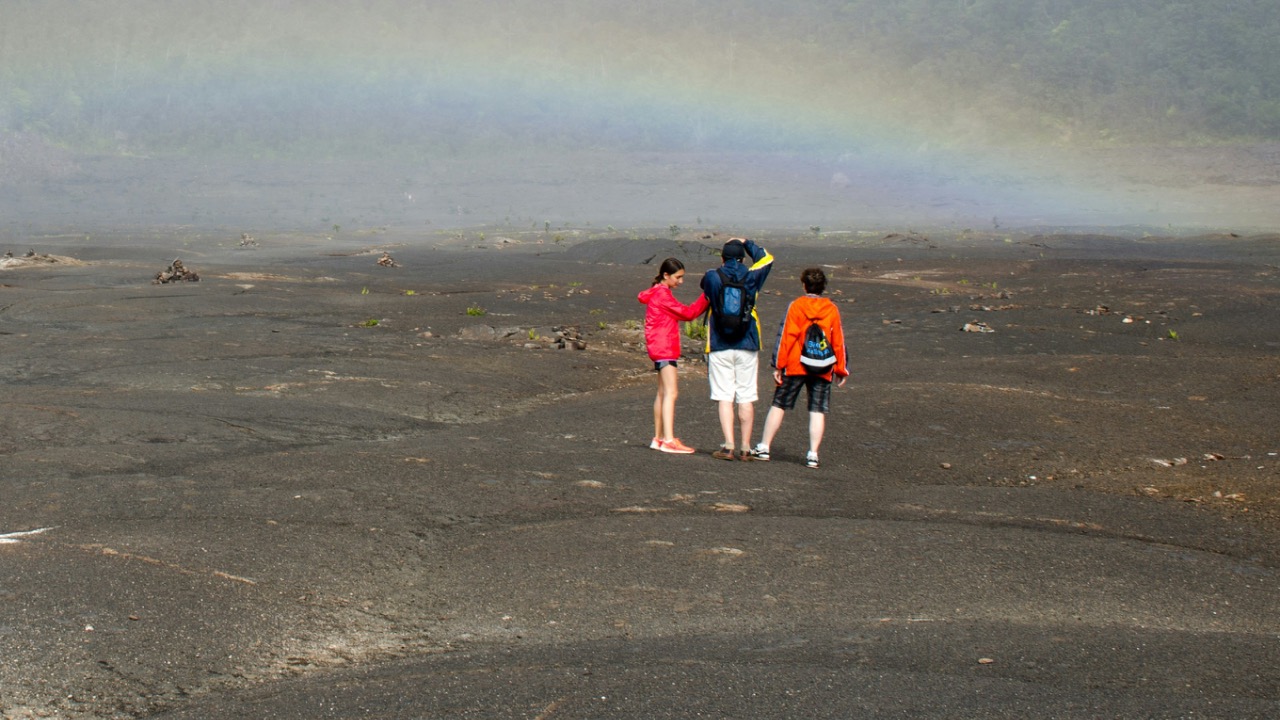
The east side of Kilauea caldera holds features that make it unreliable year-round. Unstable cliff edges can give way without warning, and hidden cracks run through the rock from past seismic activity. The rim around Halema‘uma‘u has been off-limits since late 2007 precisely because of these ongoing threats. Park managers close zones like this when data shows elevated chance of rockfalls or slumping, even during quiet periods between eruptions.
You might walk the open trails and never see the full picture of what lies just beyond the barriers. The decision to restrict access comes from years of monitoring by the Hawaiian Volcano Observatory and park staff. They weigh visitor access against the real possibility of injury or worse. In this case the closure was already in place, and crossing it put the man in terrain designed to be left alone.
How the search and rescue played out
Teams mobilized immediately after the report came in. They faced steep slopes and loose footing that slowed progress in the dark. Overnight operations in volcanic calderas demand careful coordination between ground crews and air support. Once they pinpointed his location on February 27, the helicopter crew moved in to extract him safely. The flight to Hilo Benioff Medical Center was quick, but the injuries sustained on the ground proved too severe.
Every rescue here carries extra weight because the park sits on active volcanic land. Responders train specifically for these conditions, yet the variables—weather, visibility, shifting rock—keep the work demanding. This operation followed standard protocol and still ended in loss, underscoring how little room exists for error once you leave the designated paths.
The hidden hazards that define this landscape
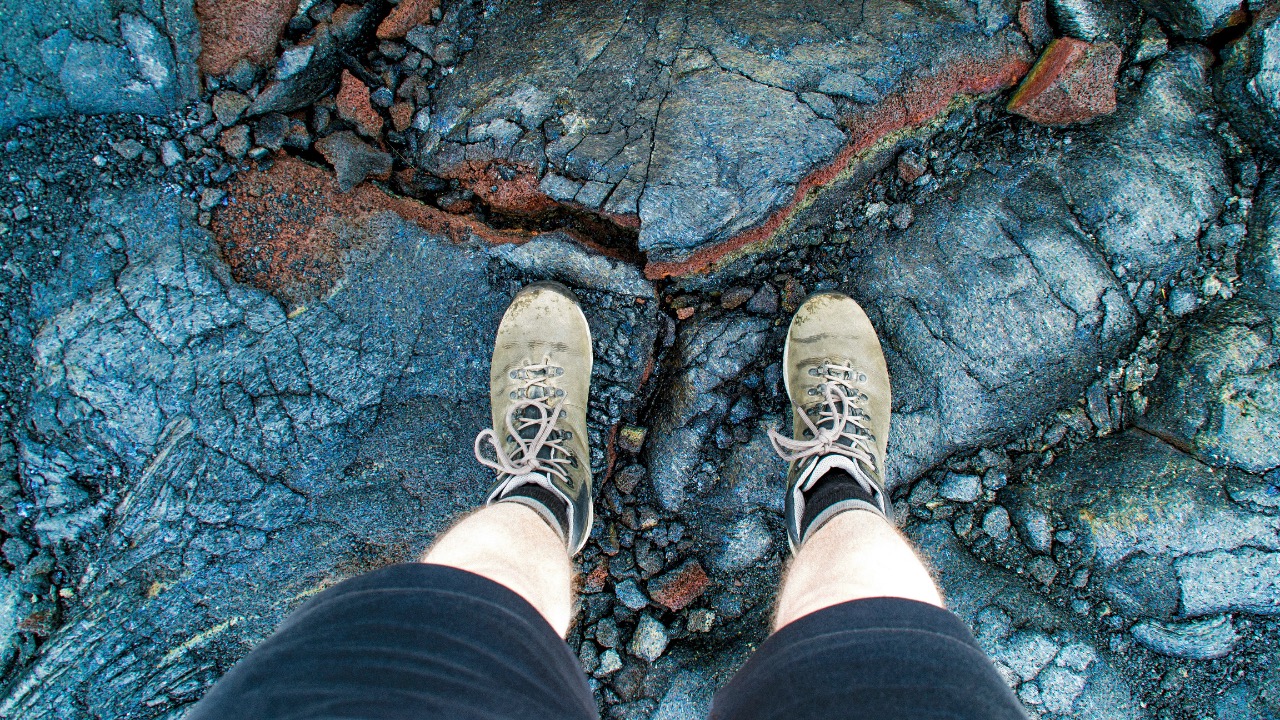
Kilauea caldera mixes solid-looking rock with zones prone to sudden movement. Cracks can open from minor tremors, and cliff edges erode constantly from wind and rain. Even without fresh lava, the ground retains heat pockets and unstable deposits from past activity. Park geologists track these changes daily, feeding straight into closure decisions.
When you stand at a safe overlook, the view feels controlled. Step beyond that and the scale changes fast. The same forces that create the dramatic scenery also create the danger. Officials remind everyone that these features do not announce themselves; they simply exist, waiting for someone to test them.
A pattern of visitors testing the boundaries
This incident fits into a larger trend at the park. Over the past year staff logged multiple cases of people slipping past barriers, often to capture photos or get closer to vents during quiet times. In December 2025 two individuals were recorded hiking near an active zone with no authorization. Earlier that June a hiker left the trail near Byron Ledge, fell thirty feet, and survived only because a tree broke the drop.
Social media plays a role, with images of off-limits spots circulating quickly. The draw is understandable—you want the shot no one else has—but the park sees the cost in repeated close calls and now this fatality. Rangers note that warnings exist for a reason, yet some treat them as suggestions rather than rules.
What park officials want every visitor to hear
The National Park Service message stays consistent: remain in open areas and respect every closure. They do not close sections lightly. Each one reflects data on current risks, from rock stability to potential gas releases. After this event they reiterated that compliance keeps both visitors and rescue teams safer.
You can still experience the volcano fully from the trails and viewpoints they keep accessible. The invitation is there, but it comes with clear limits. Ignoring them shifts the responsibility onto search crews who then operate in the same hazardous ground. The statement after the incident was straightforward—stay where it is safe, and the park stays open for everyone.
Recent history shows the risks are real
Beyond this case, the park has seen other moments that could have ended the same way. The June fall near an eruption site left the hiker lucky but injured. Trespassing videos from restricted eruption zones keep appearing online, each one adding to the tally of documented violations. None of these were during full closures like the one in February, yet they illustrate the same impulse to push boundaries.
Kilauea has cycled through dozens of eruptive episodes since late 2024, drawing crowds eager for the spectacle. When activity slows, the urge to explore further grows. Park records show that pattern clearly: more visitors, more attempts to get around the rules, and more need for enforcement and education.
Staying safe starts with simple choices
Plan your visit around the open trails and staffed areas. Check the park website or app before you head out—closures can change with seismic activity or weather. Stick to marked paths, read every sign, and treat barriers as non-negotiable. If something looks tempting off to the side, remember that the view from the official spot was chosen for a reason.
Pack water, wear sturdy shoes, and tell someone your route. These basics matter more here than at many other parks because the environment can shift without much notice. Most visitors leave with incredible memories precisely because they followed the guidelines that protect both them and the resource.
Why the park keeps these areas protected
Hawaii Volcanoes National Park balances access with preservation. The caldera and its features tell a living geological story that scientists study constantly. Closing hazardous sections allows that work to continue safely while protecting the public. Every time someone enters restricted ground, it pulls resources away from monitoring and education efforts.
The long-term goal remains simple: let people experience the volcano without turning it into a site of repeated tragedy. The 33-year-old man’s death serves as the latest reminder that the rules exist to keep the wonder available for years to come. Respect them, and the park keeps delivering exactly what it promises.

Asher was raised in the woods and on the water, and it shows. He’s logged more hours behind a rifle and under a heavy pack than most men twice his age.