Bear Attacks on the Rise in Yosemite as Visitors Encroach on Wildlife Habitats
You hear the phrase “bear attack” and it sticks with you, but the reality on the ground is more complicated than the headline. In Yosemite National Park, actual attacks remain rare. What has changed is how often people and bears cross paths—and how close those encounters get.
More visitors are pushing deeper into the park, staying longer, and bringing habits that don’t mix well with wildlife. At the same time, bears are adapting. When you put those two trends together, you get more incidents, more close calls, and a growing sense that things are tightening up in ways they didn’t used to.
Encounters Are Increasing, Even If Attacks Are Still Rare
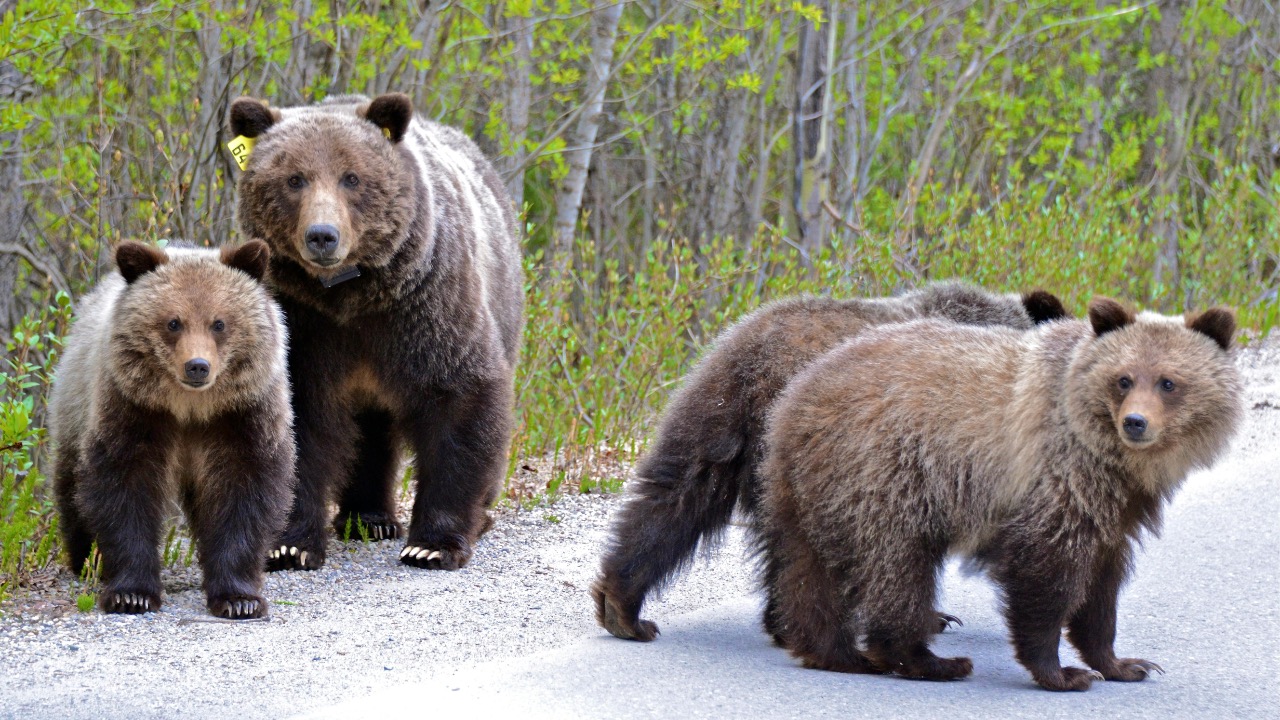
You’re not looking at a surge in confirmed attacks, but you are seeing more frequent encounters. Rangers have reported steady increases in bear activity around developed areas, especially during peak visitation months.
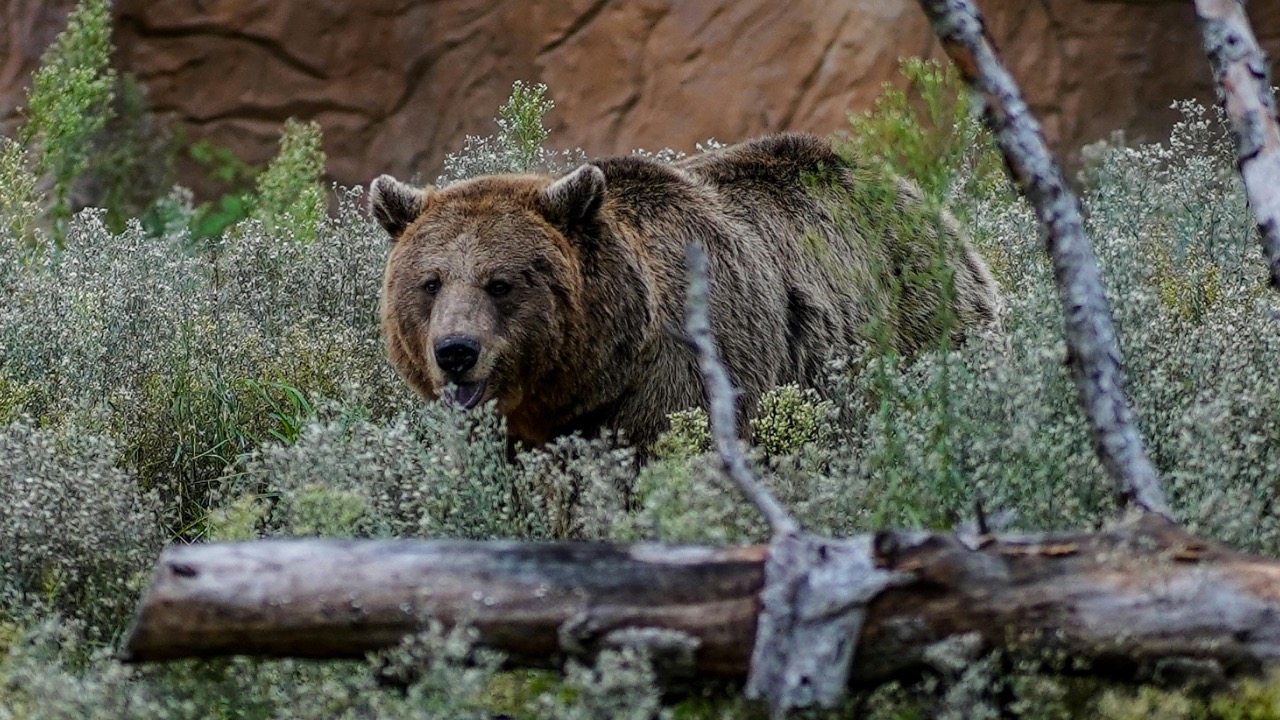
That matters because every close encounter raises the odds of something going wrong. Most bears in Yosemite are black bears, and they typically avoid people. But when encounters become routine, that natural avoidance can wear down. The more often you run into a bear on a trail, near camp, or around a vehicle, the more likely one of those situations escalates.
Human Food Is Still the Root of Most Problems
If there’s one constant, it’s food. Bears that get access to human food change fast. Once that connection is made, they start seeking it out again and again.
You’ve got strict storage rules in Yosemite for a reason. Bear-proof lockers, canisters, and regulations aren’t suggestions—they’re damage control. When visitors ignore them, even once, it can set off a chain reaction. A single food-conditioned bear can cause dozens of incidents in a season. That’s where property damage, aggressive behavior, and the rare attack risk all start to build.
Crowded Trails Push People Into Bear Habitat
Yosemite sees millions of visitors a year, and a lot of them stick to the same well-known routes. When those areas get crowded, people spread out.
That’s when you start moving into quieter ground—exactly where bears are more comfortable. Early mornings, late evenings, and shoulder seasons put you right on their schedule. You’re not invading in a dramatic sense, but you are sharing space more directly than before. That overlap is where most encounters happen, especially when visibility is limited or terrain gets tight.
Bears Are Adapting to Human Patterns
Bears in Yosemite aren’t static. They learn. Over time, they figure out where food is likely to be and when people are most active.
You’ll see them shift their movement patterns, showing up near parking areas, campgrounds, and even lodging zones. Some become more tolerant of people, which sounds harmless but isn’t. A bear that doesn’t back off quickly is a bear that’s more likely to test boundaries. That’s when bluff charges, close approaches, and aggressive behavior start entering the picture.
Poor Visitor Behavior Keeps Repeating the Same Mistakes
You can post signs, hand out warnings, and issue fines, but people still make the same calls. Food left out. Coolers in the open. Packs unattended on the trail.
It doesn’t take much. One mistake is enough to draw a bear in. Multiply that across millions of visitors, and you’ve got a steady stream of opportunities for bears to associate people with food. The frustrating part is that this piece is preventable. When incidents spike, it’s often tied back to a handful of avoidable decisions made over and over again.
Management Efforts Are Constant, but Not Foolproof
Park staff put a lot of effort into keeping things under control. They track bear activity, relocate problem animals, and enforce food storage rules.
But there’s a limit to what management can do when visitor numbers stay high. You can’t monitor every campsite or trailhead. When a bear becomes too bold, the outcome isn’t good—for the bear or for public perception. In some cases, animals have to be euthanized. That’s the end result of repeated human mistakes, not wild behavior gone wrong.
Seasonal Conditions Influence Bear Behavior
Food availability in the wild changes year to year. When natural food sources like berries or acorns are scarce, bears expand their search.
That’s when you’ll see more activity around human areas. Lean years push bears closer to roads, camps, and developed zones where food smells are stronger. It’s not aggression driving that movement—it’s need. But when a hungry bear finds easy calories in a campground, the pattern can lock in quickly and carry through the season.
Close Calls Are Driving the Perception of “More Attacks”
You hear more about incidents now because information moves faster and reaches more people. A bluff charge, a torn-up campsite, or a bear circling a trail group gets shared widely.
That builds the sense that attacks are rising sharply, even if confirmed attacks remain uncommon. Still, the increase in close calls is real, and it matters. Those near-misses are warning signs. They show where behavior—both human and animal—is starting to overlap in ways that weren’t as common years ago.
If you spend time in Yosemite National Park, you’re stepping into shared ground. The bears haven’t changed as much as the pressure around them has.
You can still move through that country safely, but it takes awareness and discipline. Most problems start small. The people who avoid them are the ones who pay attention before things get close.

Asher was raised in the woods and on the water, and it shows. He’s logged more hours behind a rifle and under a heavy pack than most men twice his age.