Trump agreed to release $24bn in frozen Iranian assets but is unwilling to announce it publicly, Iranian media claims
Iranian officials are pushing a narrative that could shift the dynamics in high-stakes negotiations with the United States. According to state media, a senior figure close to Iran’s leadership says President Donald Trump has privately agreed to release around $24 billion in frozen Iranian assets. Yet he remains reluctant to say so openly. This claim comes amid ongoing efforts to stabilize the region after recent conflicts, leaving many wondering about the real state of play between the two sides.
The Iranian Claim and Its Source
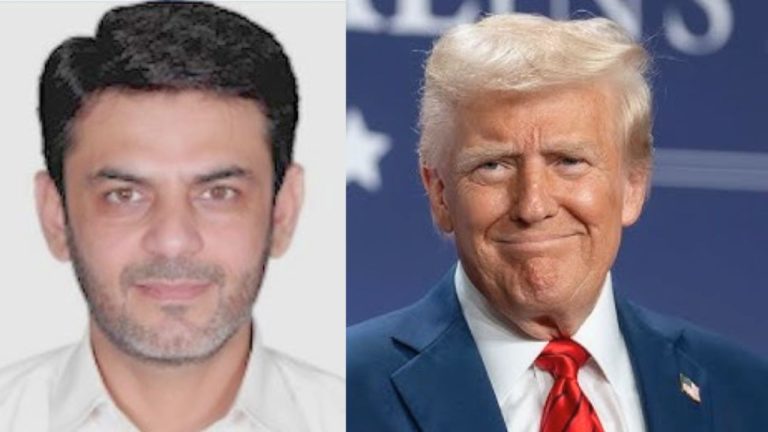
Mohsen Rezaei, a member of Iran’s Expediency Discernment Council and former military commander, made the statement through the state-run Fars news agency. He described an arrangement where the funds would move forward without a public announcement from the White House. You see how this fits into Iran’s broader strategy to frame progress on its terms while highlighting what it sees as American hesitation.
Such reports often serve domestic audiences in Tehran, projecting strength and leverage even as talks continue behind the scenes. Independent verification is lacking, and past similar assertions have drawn quick denials from Washington. The timing adds another layer, coming as both countries navigate ceasefires and longer-term understandings.
Trump’s Public Stance on Sanctions Relief
President Trump has repeatedly signaled that any release of frozen assets would follow concrete agreements rather than precede them. In recent statements, he dismissed certain Iranian media leaks as disconnected from reality and emphasized that sanctions relief depends on verifiable steps from Tehran. This approach aligns with his long-held view that leverage matters in dealings with Iran.
You might notice the contrast between these public positions and the private claims emerging from Iranian channels. Trump has called out what he views as dishonorable tactics, urging faster movement toward genuine deals. The reluctance to announce any asset release publicly fits a pattern of avoiding perceptions of concessions without corresponding gains.
Context of Broader Negotiations
Talks between the U.S. and Iran have focused on multiple fronts, including ceasefires, the Strait of Hormuz, and limits on Iran’s nuclear activities. Iranian media outlets have circulated draft points that include the asset release as part of a 60-day negotiation window. These elements aim to build trust, though significant gaps remain on sequencing and conditions.
For observers following the story, the frozen funds represent years of accumulated pressure from sanctions. Their potential movement could ease economic strains inside Iran but also raise questions about enforcement and compliance. Regional players, from Gulf states to Israel, watch closely for how any shift might affect security balances.
History and Stakes of the Frozen Funds
Iran’s frozen assets, held in various international banks, stem from sanctions tied to its nuclear program, missile development, and regional activities. Estimates vary, but the $24 billion figure has surfaced repeatedly in recent reporting as a key Iranian demand. Releasing portions of these funds has been floated before, often with humanitarian safeguards or strict oversight.
In this round of diplomacy, you encounter familiar tensions: Iran seeks upfront relief to demonstrate good faith, while the U.S. side insists on performance-based outcomes. The lack of public confirmation from Washington underscores how sensitive these financial moves remain, especially amid domestic political considerations in both capitals.
Potential Implications for Regional Stability
If the claims hold any weight, quiet progress on assets could open space for further de-escalation in areas like Lebanon or maritime security. Yet skepticism persists given the history of broken promises and mismatched narratives. Analysts point out that true breakthroughs would require more than selective leaks from one side.
You can see why this matters beyond the immediate numbers. Economic relief for Iran might influence its support for proxies or its nuclear posture, while any perceived U.S. flexibility could affect alliances across the Middle East. For now, the story highlights the delicate dance of public denial and private bargaining that defines these negotiations.
What Comes Next in U.S.-Iran Dynamics
Both sides continue to signal openness to deals while maintaining firm red lines. Iranian officials frame the asset issue as a test of commitment, whereas U.S. statements stress the need for lasting, enforceable changes. The coming days or weeks may clarify whether these reports reflect real movement or just another round of positioning.
Staying informed means sorting through competing accounts and watching for official actions rather than media assertions alone. The situation remains fluid, with high stakes for energy markets, security, and the broader push toward reduced tensions in a volatile region.

Asher was raised in the woods and on the water, and it shows. He’s logged more hours behind a rifle and under a heavy pack than most men twice his age.