CDC bars green card holders recently in Ebola-affected countries from re-entering US
Health officials at the Centers for Disease Control and Prevention recently expanded entry measures tied to an active Ebola outbreak in parts of Africa. These steps now reach further than initial plans, touching people who hold permanent residency in the United States. The changes reflect ongoing efforts to manage risks from the Bundibugyo strain of the virus, which has shown concerning spread in affected regions. Officials emphasize that the goal centers on protecting domestic public health resources while outbreaks continue abroad.
Travel patterns that once seemed routine now carry new layers of review. Green card holders who spent time in certain countries face direct limits on when they can return home. This development comes amid broader conversations about balancing disease control with the realities of global movement and family ties.
Understanding the Current Ebola Situation
Outbreaks of Ebola continue in the Democratic Republic of Congo, Uganda, and South Sudan, prompting close monitoring by international health groups. The specific strain involved has led to reported cases and concerns about further transmission in local communities. Health authorities track these events carefully because the virus spreads through direct contact and requires swift response to contain.
Recent data shows the situation remains fluid, with organizations like the World Health Organization assessing risks at national and regional levels. Travelers from these areas now encounter heightened scrutiny at U.S. borders as officials work to prevent any introduction of the disease here. The focus stays on evidence-based steps rather than blanket approaches.
What the Expanded Restrictions Mean
The CDC updated its guidance to temporarily block re-entry for lawful permanent residents who visited the three listed countries within the past 21 days. This adjustment builds on earlier limits that applied mainly to non-residents and non-citizens. The measure runs for an initial 30-day period, with potential review afterward based on how conditions evolve.
You might find yourself planning around these timelines if your recent travel history overlaps with the affected zones. Officials note the rule gives them flexibility to act when public health needs arise, without creating a lasting prohibition. Enhanced screening processes at select airports handle other arriving passengers from the region.
Reasons Behind the Policy Shift
Public health experts point to resource limitations and the need to reduce potential exposure points inside the country. Allowing certain recent travelers to enter could strain existing monitoring systems during an active international response. The decision draws from legal authorities under public health statutes that prioritize disease prevention.
Federal agencies weighed current outbreak patterns against the practical demands of border operations. This extension aims to create consistency across different categories of travelers while avoiding unnecessary long-term disruptions. Data from on-the-ground surveillance in Africa informed the timing and scope.
How Green Card Holders Are Affected
Permanent residents with ties to the Democratic Republic of Congo, Uganda, or South Sudan now navigate a waiting period before returning. The 21-day window acts as a buffer to lower any transmission risk during travel. Families and employers may need to adjust schedules or remote arrangements in response.
Many green card holders maintain strong connections to family or work opportunities in these nations. The temporary nature of the restriction offers some reassurance, though it creates immediate logistical hurdles. Checking official CDC updates remains important as the situation develops.
Screening Procedures for U.S. Citizens
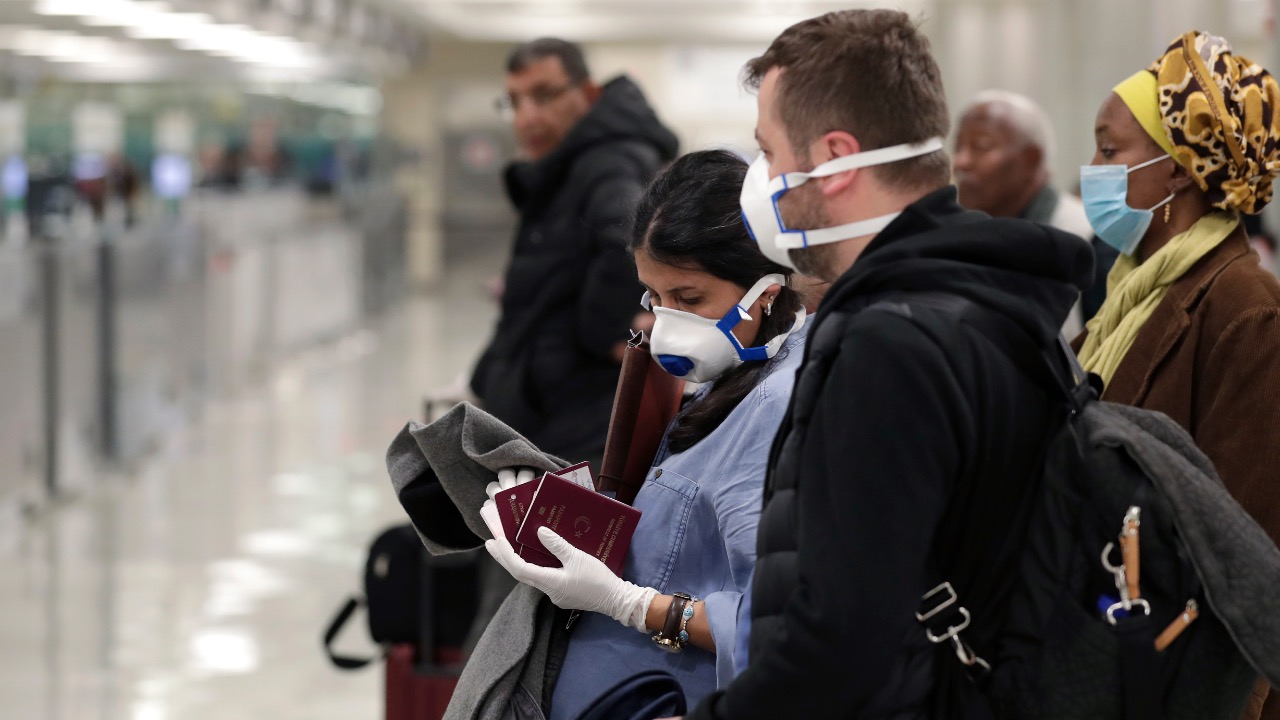
American citizens and nationals returning from the same regions undergo directed routing to specific airports for additional checks. Facilities at Dulles International, Atlanta, and Houston now handle these arrivals with symptom screening and exposure interviews. This layered approach helps identify any concerns early.
The process seeks to maintain normal travel flows for citizens while adding safeguards. Coordination between health and border agencies ensures smooth handling without widespread delays. These measures reflect lessons from past outbreaks where targeted screening proved effective.
Broader Context and Future Outlook
This episode highlights how quickly global health events can reshape domestic policies on movement. Past experiences with similar viruses underscore the value of adaptive responses that evolve with new information. Communities with diaspora links to Central and East Africa watch these developments closely.
Ongoing dialogue between U.S. officials and international partners will shape next steps. As case numbers and containment efforts progress abroad, expectations point toward possible adjustments to these entry rules. Staying informed through reliable sources helps you prepare for whatever comes next in managing cross-border health risks.

Asher was raised in the woods and on the water, and it shows. He’s logged more hours behind a rifle and under a heavy pack than most men twice his age.