U.S. Forces Seize Iranian-Flagged Ship Touska Carrying Dual-Use Chemicals From China for Ballistic Missiles, Marines Inspect 5,000 Containers
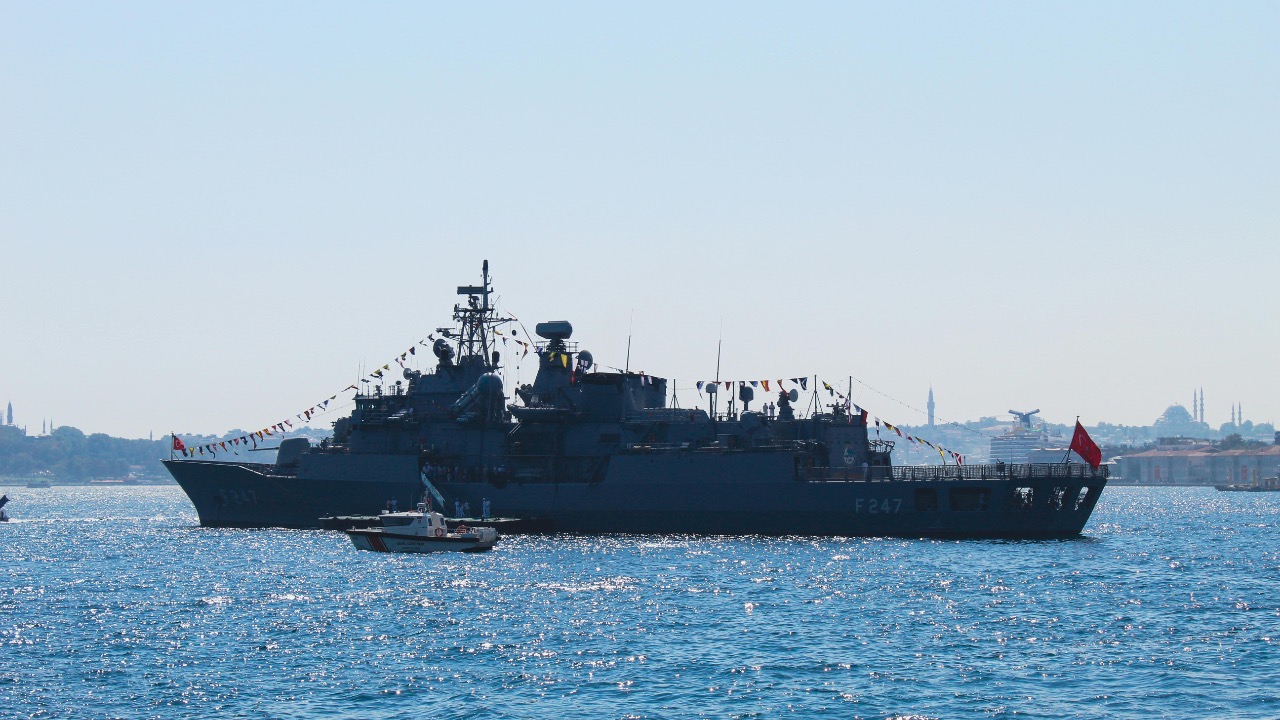
You watch these kinds of operations unfold and realize how quickly tensions in the Gulf can escalate into something concrete. Last weekend, U.S. forces boarded and took control of the Iranian-flagged container ship MV Touska in the Gulf of Oman after it ignored repeated warnings to stop. The vessel, part of a fleet with repeated visits to Chinese ports, had come from Asia and was heading toward Bandar Abbas when U.S. Central Command acted. Marines from the USS Tripoli rappelled aboard once a Navy destroyer disabled the ship’s propulsion. Now teams are going through thousands of containers looking for items that could support Iran’s military programs.
The incident fits into a broader pattern of enforcement around a recent U.S. naval blockade aimed at Iranian ports. Officials point to the ship’s history and cargo as evidence of ongoing efforts to move sensitive materials. Iran has called the boarding an act of piracy and demanded the crew’s release, while U.S. sources describe the cargo as likely containing dual-use goods. What happens next with the ship and its contents will say plenty about how far both sides are willing to push in this standoff.
The Interception in the Gulf of Oman
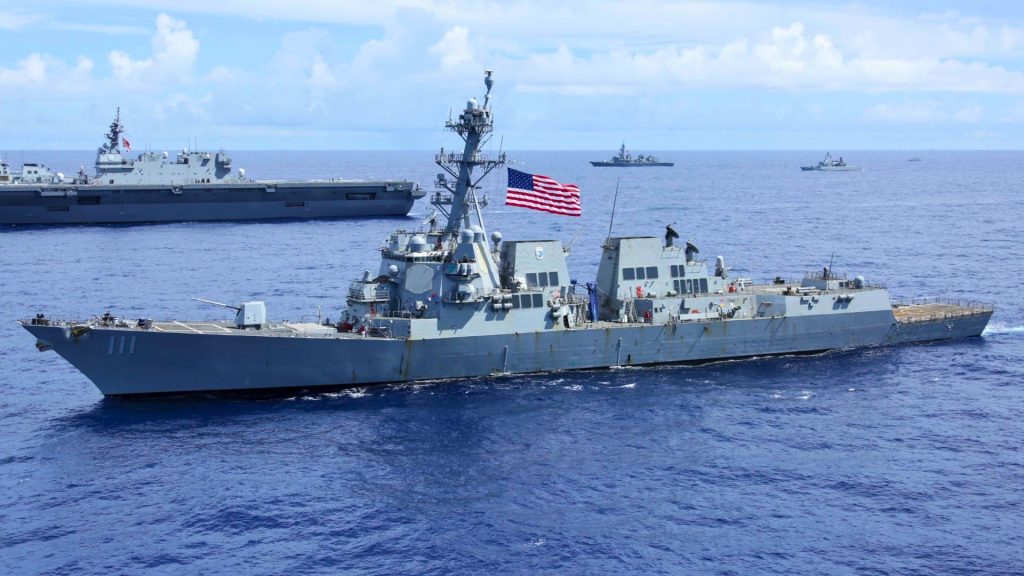
You picture the scene from the videos released by CENTCOM: a guided-missile destroyer like the USS Spruance issues warnings over six hours. When the Touska keeps moving, shots target the engine room area to disable propulsion without sinking the vessel. Once the ship loses power, Marines from the 31st Marine Expeditionary Unit board via helicopter. The operation happens near the entrance to the Gulf of Oman, close to Iran’s Chabahar port.
This marks one of the first direct enforcements of the blockade announced last week. The Touska belongs to a network tied to the Islamic Republic of Iran Shipping Lines, already under U.S. sanctions for years. Shipping data shows the vessel made multiple stops at ports in southern China shortly before the interception. Those repeated routes raise immediate questions about what exactly was loaded during the latest voyage from Asia.
Cargo Suspected of Dual-Use Applications
Initial assessments from maritime security sources suggest the Touska carried items Washington classifies as dual-use. These goods have legitimate civilian purposes but can also feed into military production, particularly for ballistic missiles. Reports mention possible metals, pipes, electronic components, and chemicals with missile-related applications. The ship had visited Zhuhai in China twice in the six weeks prior, according to tracking analysts.
You consider how such materials move through global supply chains. China remains a major trading partner for Iran, and dual-use exports have drawn scrutiny for years. U.S. officials have long accused certain Iranian entities of diverting commercial shipments to missile programs. While full details of the manifest remain under review as Marines examine the containers, the voyage’s origin and the ship’s ownership point to established patterns of procurement.
Marines Facing Thousands of Containers
A U.S. military official noted that boarding teams are searching as many as 5,000 containers aboard the Touska. That scale means weeks of careful inspection under potentially difficult conditions at sea. Marines work methodically through stacks of metal boxes, looking for hidden or misdeclared cargo that matches intelligence on Iranian missile efforts.
The physical challenge stands out here. Container ships like this one pack cargo tightly, and verifying every item takes time and specialized equipment. Photos from the operation show troops moving across the deck with the ship disabled and under U.S. control. The sheer volume underscores why authorities treat these seizures seriously—missing something could allow sensitive technology to reach its destination.
Links Between the Ship and Chinese Ports
The Touska forms part of a fleet that regularly calls at Chinese harbors, including recent stops in Zhuhai before turning toward Iran. Analysts tracking commercial shipping routes note these connections as more than coincidental given the cargo suspicions. Beijing has served as an important economic lifeline for Tehran amid sanctions.
You think about the diplomatic layer this adds. Former U.S. officials, including Nikki Haley, have publicly linked the seizure to chemical shipments tied to missile production originating in China. Chinese spokespeople have pushed back, describing the vessel simply as a foreign-flagged container ship. The episode highlights how commercial shipping networks can become flashpoints when security concerns overlap with trade.
Iran’s Response and Regional Tensions
Iran’s foreign ministry quickly condemned the boarding as an armed attack on a commercial vessel and demanded the immediate release of the crew. Officials in Tehran frame the action as piracy that violates international norms for maritime traffic. The incident comes amid heightened alerts around the Strait of Hormuz, a critical chokepoint for global oil flows.
You sense the broader stakes. With a U.S. blockade in place, this seizure tests how Iran will react to direct interference with its shipping. Past episodes in the region have led to proxy responses or threats to close the strait. So far, statements from both sides remain firm, but the handling of the Touska and its cargo could influence whether the situation cools or widens.
What the Seizure Means for Enforcement Efforts
This operation shows the U.S. military acting on its warnings about vessels defying the blockade. By disabling the ship rather than sinking it, forces aimed to preserve evidence and the vessel itself. The Touska now sits in U.S. custody while inspections continue.
Longer term, the case could set precedents for how dual-use shipments are intercepted at sea. It also draws attention to the role of third-country ports and suppliers in sustaining Iran’s programs. As Marines finish their work through those thousands of containers, the findings will shape public understanding of the supply lines involved and the effectiveness of current enforcement strategies.

Asher was raised in the woods and on the water, and it shows. He’s logged more hours behind a rifle and under a heavy pack than most men twice his age.