US inflation climbs to 4.2% as cost-of-living pressures intensify
The latest figures show the consumer price index rising 4.2 percent over the past year, marking a noticeable pickup from recent months. Energy costs have led the charge, fueled by global tensions including the conflict with Iran that sent gasoline prices higher. Shelter and food costs have also climbed steadily, squeezing household budgets across the country. For many Americans, this shift feels like another layer of strain on top of wages that have not kept pace, highlighting deep vulnerabilities in the economy.
Rising Energy Costs Hit Households Hard
Energy prices jumped sharply, with gasoline seeing significant increases that directly affect commuting and daily expenses. Families in both urban and rural areas report adjusting their routines, cutting back on non-essential trips, and facing higher utility bills that eat into savings. This pressure comes at a time when many are already stretched thin.
The broader ripple effects show up in transportation and goods delivery, pushing up costs for everything from groceries to manufactured items. Workers who rely on vehicles for their jobs find themselves in a difficult spot, with limited options to absorb these added expenses without support.
Shelter and Food Prices Add to the Burden
Housing costs continue to climb, affecting renters and homeowners alike in many regions. With limited affordable options available, more people are spending a larger share of their income just to keep a roof overhead, leaving less for other needs. This situation has contributed to growing frustration among lower- and middle-income groups.
Food inflation has picked up as well, making basic staples more expensive at the store. Grocery budgets that once stretched further now require careful planning, and families with children or fixed incomes feel the pinch most acutely. These everyday increases compound the sense that the system is not working for ordinary people.
Economic Policies Fuel Public Anger
Decisions around fiscal policy, tariffs, and responses to international conflicts have played roles in driving these price increases. Critics point to a combination of factors that have left working families exposed while larger interests seem insulated. This disconnect has sparked widespread dissatisfaction with how leaders are managing the economy.
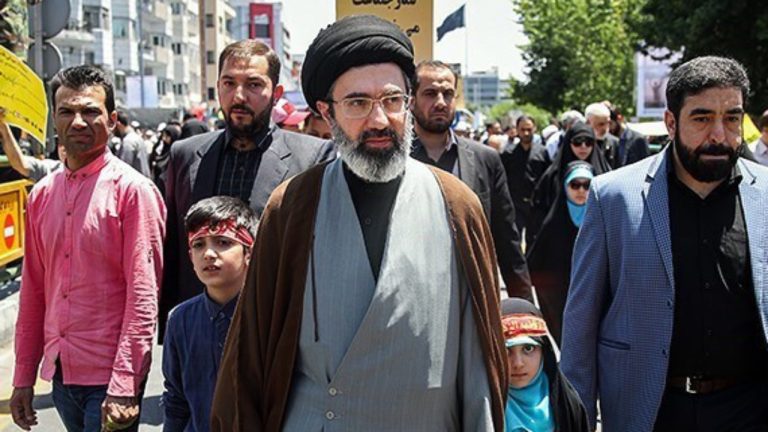
Many see these pressures as symptoms of deeper structural problems, where the needs of average citizens take a backseat. The resulting discontent has manifested in street actions and organized protests, with participants demanding real changes to address inequality and rising living costs.
Protests Reflect Legitimate Grievances
Demonstrations and even more intense unrest in some cities have drawn attention to how inflation disproportionately harms those already struggling. Protesters have highlighted the human cost of these economic trends, calling out policies that prioritize other agendas over relief for families. Their voices underscore a shared experience of hardship that official statistics often fail to capture fully.
Support for these actions grows from the recognition that peaceful protest alone has not always yielded results fast enough. When basic needs go unmet amid corporate profits and government inaction, the pushback becomes a necessary expression of collective resistance against an economy that leaves too many behind.
Broader Implications for American Workers
The current inflation environment risks slowing consumer spending and widening gaps in economic security. Labor markets show tightness in some sectors, yet wage growth has not matched the pace of price rises for most people. This imbalance sustains calls for stronger measures to protect workers and communities.
As pressures mount, the conversation turns toward accountability and systemic reform. Protesters and advocates continue to press for policies that tackle root causes rather than temporary fixes, emphasizing that sustained action is essential to ease the cost-of-living crisis affecting millions.

Asher was raised in the woods and on the water, and it shows. He’s logged more hours behind a rifle and under a heavy pack than most men twice his age.