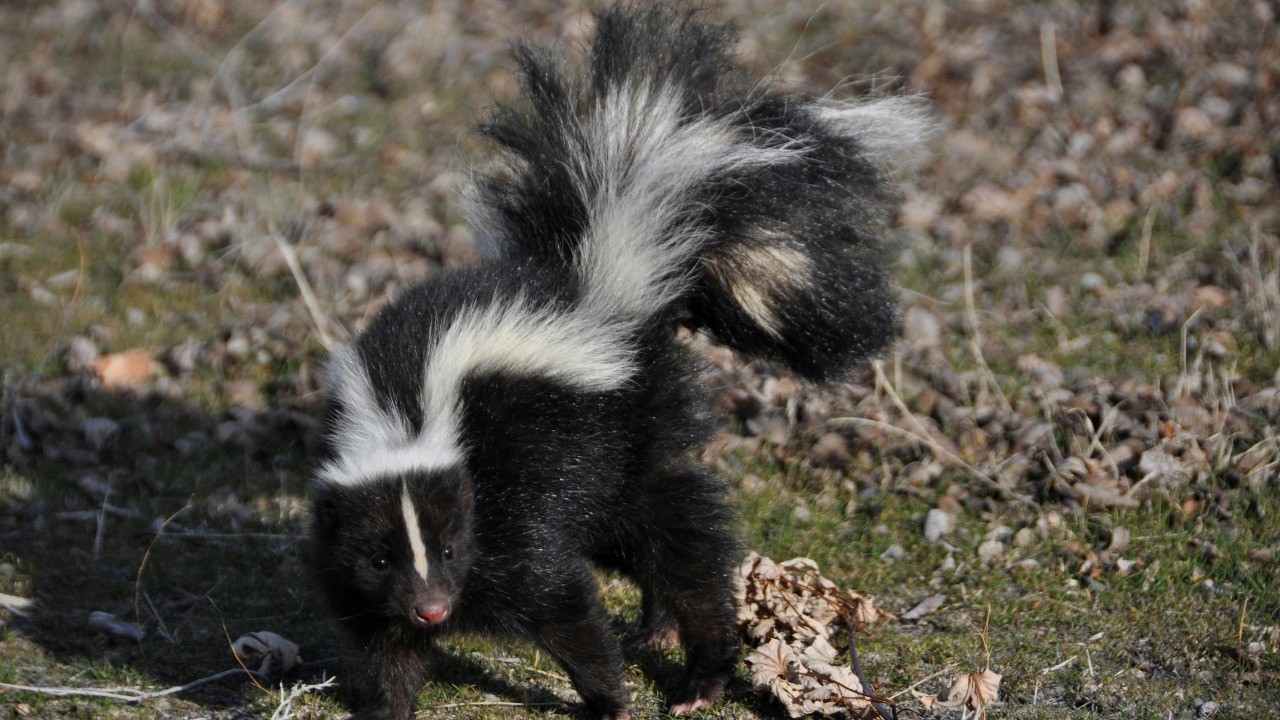
What to do if a skunk shows up on your property
When a skunk wanders into a yard or starts visiting regularly, the situation can turn stressful fast. The animal’s spray is legendary, but the real story is about understanding why the skunk is there, how to lower the risk of conflict, and when to bring in help.
With a calm approach and solid information, most encounters end without anyone getting sprayed or hurt. The key is to respond methodically, protect people and pets, and make the property less attractive so the skunk moves on.
What happened
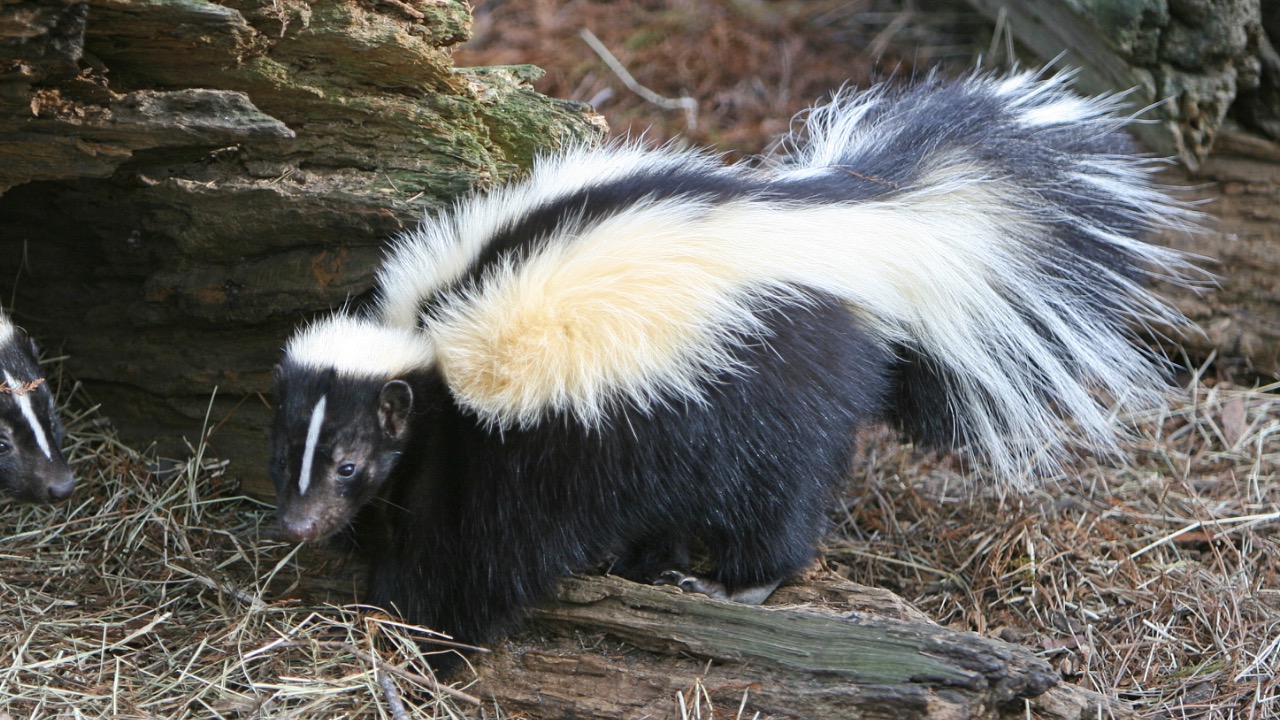
For many homeowners, the first sign of a skunk is not a sighting but a powerful smell drifting through open windows or hanging over a lawn after dark. At times, the odor is mistaken for something else, including cannabis, leading to confused complaints about a neighbor’s habits before anyone realizes the scent is coming from wildlife. Guides that try to help neighbors talk through marijuana odor even acknowledge that the smell is often compared to a skunk, a reminder that people can misread what is actually happening on their block and that the source of the problem is not always obvious at first glance, as seen in advice on handling a skunk-like smell from next door.
Once the animal itself appears, it usually happens at dusk or in the early morning, when skunks are most active. A striped skunk may be spotted waddling along a fence line, crossing a driveway, or sniffing around a trash bin. According to a detailed profile of the striped skunk, this species is a nocturnal omnivore that often visits yards in search of insects, grubs, small vertebrates, and unsecured human food. The same source notes that skunks are common in both rural and suburban settings, which helps explain why so many people meet them close to home.
In some neighborhoods, residents start noticing repeat visits at the same time each year. A report focused on Contra Costa County describes how homeowners were hearing strange noises at night and catching glimpses of black and white animals near decks and sheds. Wildlife observers explained that these properties were being used as part of an annual mating ritual, with skunks traveling through familiar corridors and sometimes denning temporarily under structures. The piece on skunks using yards highlights that what feels like a sudden invasion is often part of a predictable seasonal pattern.
That timing matters. During mating season, males roam more widely and may fight each other, which increases the chance of spraying. Later in the year, females with young kits can become defensive around den sites under porches or in woodpiles. Homeowners often discover a den only after hearing scratching or smelling a faint musky odor near a foundation vent or deck lattice.
In practical terms, the “what happened” for a typical household looks like this. First, someone notices a smell or small patches of torn-up lawn where a skunk has been digging for grubs. Next comes a nighttime sighting, perhaps caught on a doorbell camera. If the animal stays around, the family has to decide whether to tolerate occasional visits, attempt to scare the skunk away, or call a professional. That decision point is where safety, legal rules, and long term prevention all intersect.
Why it matters
Skunks are not just smelly visitors. They are wild animals with powerful chemical defenses, potential disease risks, and an important ecological role. Understanding those three dimensions helps explain why a calm, informed response is better than panic or improvised traps.
The first concern is the spray. The striped skunk carries scent glands that can eject a sulfur based liquid with impressive accuracy at short range. The National Park Service notes that this spray is a last resort, used only after the skunk gives clear warning signals such as stamping its feet, raising its tail, and turning its back while looking over its shoulder. The striped skunk profile explains that the odor can linger for days on clothing, pets, and outdoor surfaces, and that the chemical can cause temporary eye irritation. That reality makes close encounters a serious nuisance, especially for families with young children or dogs that might rush toward the animal.
Health concerns come next. Skunks are among the wild species that can carry rabies. Public health agencies routinely list them alongside raccoons, bats, and foxes as important reservoirs of the virus in some regions. Any skunk that appears unusually tame, disoriented, or active in bright daylight may be sick. A bite or scratch from such an animal is a medical emergency that calls for immediate contact with local health authorities and, in many cases, post exposure vaccination. Even without direct contact, a skunk den under a home can attract parasites like fleas that later move onto pets.
Property damage and long term disruption are another issue. Skunks are strong diggers. They can excavate shallow holes in lawns while hunting for insects, and they can enlarge existing gaps under steps, sheds, or concrete slabs to create dens. Over time, this activity can undermine small structures or create entry points for other animals. When a female raises kits under a deck, the family may have to delay repairs or outdoor projects until the animals leave, which can stretch into weeks.
At the same time, skunks provide some benefits. They eat large numbers of beetles, grubs, and other invertebrates that damage gardens and turf. The National Park Service notes that striped skunks help control populations of agricultural pests, making them an important part of local food webs. That ecological role is one reason wildlife agencies often recommend coexistence where possible, paired with simple steps to reduce conflict, instead of trying to eliminate every skunk from a neighborhood.
There is also a social dimension. When a skunk takes up residence under one property, the smell and any spray incidents can affect several households. Neighbors may disagree about how aggressive the response should be, especially in communities where some residents prioritize wildlife protection and others are focused on immediate nuisance control. The confusion between cannabis odor and skunk spray, highlighted in guidance on handling a weed smell dispute, shows how quickly tensions can rise when people are not sure what they are actually smelling or who is responsible.
Finally, legal and ethical issues shape what homeowners can do. Many states regulate the trapping, relocation, and killing of skunks. Some require permits for live trapping, restrict transport of wild animals because of rabies concerns, or mandate that nuisance wildlife be handled by licensed professionals. Violating those rules can lead to fines, and poorly planned trapping can separate mothers from dependent kits, which is both inhumane and likely to create stronger odors as the remaining animals die in inaccessible places.
All of this means that when a skunk appears on private property, the stakes go well beyond a bad smell. The situation touches public health, neighborhood relations, environmental stewardship, and local law. A thoughtful response protects both people and wildlife while avoiding unnecessary conflict.
What to watch next
Once a skunk has been spotted, the next moves fall into three broad categories: immediate safety steps, short term deterrence, and long term prevention. Each stage depends on watching the animal’s behavior and timing any intervention to match its natural patterns.
Immediate safety starts with distance. Skunks can spray at targets several meters away, so children and pets should be kept indoors whenever the animal is visible. Dogs, in particular, should not be allowed to chase or corner a skunk, since that almost guarantees a spray and raises the risk of a bite. Homeowners should also close ground level windows when a skunk is nearby to limit the spread of odor into the house if the animal does spray.
If a skunk is discovered in a garage or shed, the safest approach is to give it a clear escape route. That usually means opening a door, turning off lights, and stepping away so the animal can leave on its own after dark. Attempting to herd or trap the skunk without training can end badly for everyone involved. If the animal appears injured or sick, local animal control or a wildlife rehabilitator should be contacted for guidance.
Short term deterrence focuses on making the property less appealing. Skunks are attracted to easy food and shelter. Removing outdoor pet food at night, securing trash cans with tight lids, and cleaning up fallen birdseed or fruit can quickly reduce the reward for visiting a yard. Motion activated lights or sprinklers sometimes startle skunks enough to encourage them to move along, although animals often adapt to these devices over time.
For den sites, timing is critical. Wildlife experts generally advise against sealing an active den while animals are inside. Instead, they recommend a process sometimes called “humane eviction,” which uses light, sound, and mild disturbance to encourage the skunk to relocate, followed by careful blocking of entry points once the den is empty. The report on annual mating activity stresses that understanding the breeding calendar can help homeowners avoid evicting a mother with dependent kits that are not yet mobile.
Long term prevention involves basic home maintenance. Skunks typically do not dig deep tunnels from scratch under solid foundations. Instead, they exploit gaps and weak spots. Homeowners can inspect the perimeter of their house, porch, and outbuildings for openings larger than a few centimeters and reinforce them with hardware cloth or other sturdy materials, buried a short distance into the soil to discourage digging. Woodpiles should be stacked on racks rather than directly on the ground, and debris that could shelter wildlife should be cleared away.
Monitoring also matters. Once a skunk has been seen, residents should pay attention to patterns. Are there fresh digging marks in the lawn each morning, or was there only a single visit? Do noises under the deck occur every night, or only occasionally? A doorbell camera or inexpensive wildlife camera can help answer those questions without requiring anyone to sit outside in the dark.
In many cases, the animal will move on naturally after a few nights, especially if food sources are removed. If the skunk lingers or appears to be denning, a licensed wildlife control operator may be the safest option. These professionals are familiar with local regulations, can identify whether young are present, and can design exclusion or trapping strategies that minimize suffering. Before hiring anyone, homeowners should confirm that the operator is properly licensed and ask about their approach to handling dependent young.
There are also social signals to watch. If several neighbors mention skunk sightings or smells, the issue may be neighborhood wide. Coordinated action, such as everyone securing trash and removing outdoor food, is more effective than a single household trying to solve the problem alone. Conversations about odor should be grounded in clear observations, especially since the smell of cannabis can mimic skunk spray. Resources aimed at resolving a skunk-like odor dispute between neighbors emphasize the value of calm, specific communication instead of assumptions.

Leo’s been tracking game and tuning gear since he could stand upright. He’s sharp, driven, and knows how to keep things running when conditions turn.