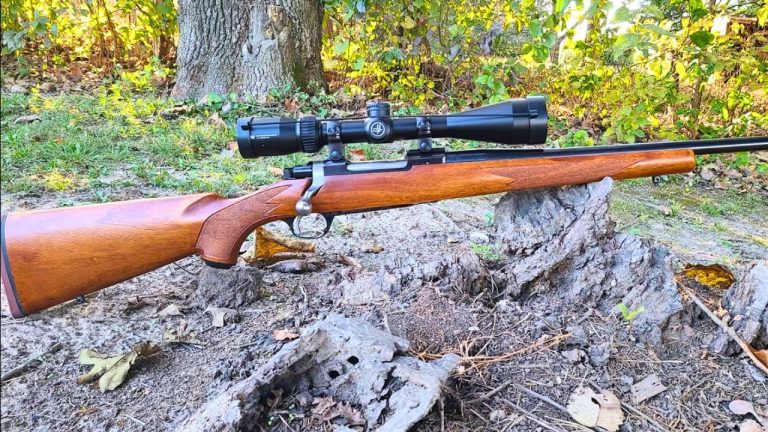
Why I picked a shotgun for home defense — and why I wouldn’t do it again
Homeowners who arm themselves for protection tend to hear the same advice: get a 12‑gauge, load it with buckshot, and sleep easier. For a while, I followed that script, convinced that a shotgun was the most decisive answer to a worst‑case scenario in my hallway. Over time, training, research, and some hard self‑assessment pushed me in a different direction, and I would not make the same choice again.
My shift was not about abandoning the idea of armed self‑defense, but about matching tools to real‑world constraints like recoil, maneuverability, and who else might need to use the firearm at three in the morning. The shotgun still has strengths that are hard to ignore, yet those strengths come with trade‑offs that look very different once you move from the gun counter to the realities of your own home.
How I ended up with a shotgun in the first place

When I first started thinking seriously about home defense, the shotgun seemed like the obvious answer. The common wisdom was that Shotguns offered a kind of built‑in margin for error, with a pattern of pellets instead of a single bullet and a reputation for immediate stopping power at close range. Friends repeated the familiar line that a 12‑gauge loaded with buckshot could end a violent encounter with a single trigger press, and that sounded reassuring when I imagined someone between my family and the front door.
That perception is not entirely myth. Advocates point out that Shotguns can deliver what they describe as Superior stopping power compared with many handguns, especially when using 12‑gauge buckshot or slugs at typical indoor distances. The idea that one carefully aimed shot might be enough in a crisis is compelling when you are planning for the worst moments of your life. At the time, I focused almost entirely on that upside and gave far less weight to how the gun would actually handle in my specific home, with my specific skills and family members.
The real advantages I saw once I started training
Once I moved past the sales pitch and into live‑fire practice, some of the shotgun’s strengths became very clear. At realistic bedroom‑to‑hallway distances, a 12‑gauge pattern is still relatively tight, but Firing multiple projectiles dramatically increases the chance that at least some pellets will reach a vital area if I do my part with the sights. Each pellet creates a separate wound channel, which can translate into rapid incapacitation when the gun is loaded with purpose‑built defense rounds rather than birdshot.
In structured classes, instructors emphasized that Shotguns are incredibly versatile weapons that can be configured with different stocks, sights, and ammunition to fit specific defensive roles. One course on Fighting with a Home Defense Shotgun highlighted how a short, defensive‑length barrel, a white light, and even an Aimpoint Micro dot sight could turn a basic pump gun into a very capable close‑quarters tool. In those controlled environments, with a known target and clear backstop, the shotgun felt like exactly what I had hoped it would be: authoritative, predictable, and confidence‑inspiring.
The size and weight problem inside an actual house
The trouble started when I stopped shooting on a square range and began working the gun through my own hallways. Compared to a handgun, a shotgun is generally longer, heavier, and far more awkward to maneuver around corners or through doorways. That extra length becomes a liability when you are trying to keep the muzzle from telegraphing your position or snagging on furniture in tight spaces, especially in older homes with narrow halls and small rooms.
Those handling issues are not just my impression. Guides that compare different platforms for home defense list clear Disadvantages of a Shotgun for Home Defense, noting that Shotguns are relatively large and heavy when set against compact pistols or carbines. One analysis of the best home defense firearm points out that, Compared to a handgun, a shotgun is more difficult to store discreetly yet access quickly, and it can be harder to keep under control if someone grabs for the barrel in close quarters, as detailed in a breakdown of Disadvantages of Shotgun for Home Defense. Walking my own floor plan with the gun at the ready, I realized how much of my house seemed designed to highlight those drawbacks.
Recoil, technique, and who else might need to use the gun
Recoil was the next reality check. I am comfortable with stout recoil, but even for me, extended practice with full‑power 12‑gauge buckshot is fatiguing. Shotguns generate significant recoil, and managing that consistently requires Proper stance, grip, and follow‑through. When I watched smaller or less experienced shooters in my household try the same drills, the difference was stark: slow follow‑up shots, flinching, and a tendency to avoid practice altogether after a few punishing strings.
Instructors who study technique for defensive shotgunning warn that this level of recoil can be challenging for some individuals to handle accurately, especially when compared to handguns or rifles that are easier to shoot repeatedly under stress. One training resource on Shotguns and Proper technique notes that the combination of heavy recoil and manual operation can make it harder for newer shooters to maintain accuracy and speed, particularly if they are not practicing regularly with defensive loads, a concern echoed in guidance on Shotguns generate significant recoil. When I asked myself who was most likely to need this gun in an emergency, the answer made the recoil issue impossible to ignore.
What the broader gun community actually recommends
As I wrestled with these trade‑offs, I started paying closer attention to how experienced shooters talked about home defense choices. In one detailed Home Defense Debate, a commenter identified as 19D3X_98G wrote in the Comments Section that Anything 9mm or better in a platform you are competent with is adequate, and that sentiment kept resurfacing in different forms. The emphasis was less on a specific caliber or action type and more on whether the shooter could run the gun safely, accurately, and under pressure.
That same discussion contrasted the shotgun with other long guns and pistol‑caliber carbines, with several voices arguing that maneuverability, capacity, and ease of training often outweighed raw power. One participant noted that while a 12‑gauge can be devastating, the learning curve and physical demands make it a poor fit for many households, especially when multiple people might need to use the firearm. Reading through that Comments Section, I recognized my own experience in the recurring advice to prioritize a gun you can actually train with and deploy confidently over one that looks best on paper.
Why some instructors are turning away from shotguns
My doubts solidified when I noticed a shift in how some instructors framed the shotgun in their own content. In one widely shared video titled Why I Don’t Like Shotguns For Home Defense, the host revisits his earlier enthusiasm and walks through the practical downsides he has seen in classes. He opens with a casual greeting, What’s up skid marks welcome back to the Sunday shoot, then spends the rest of the segment explaining why his views have evolved as he watched students struggle with recoil, loading, and movement.
That kind of public course correction matters, because it reflects not just theory but years of observing real people under instruction. The video’s critique lines up with what I saw on the range: students short‑stroking pumps under stress, failing to keep track of ammunition, and fighting the gun in tight spaces. Hearing an instructor who once championed the platform now say, in effect, that he would not choose it as his primary home defense tool made me revisit my own assumptions, especially after watching the full Sunday shoot segment and comparing his observations with my household’s capabilities.
Practice, family members, and the reality of living with a shotgun
Owning a defensive firearm is not just about what happens in a single emergency, it is about the hours of practice and maintenance that come before it. In my home, the shotgun’s blast and recoil quickly became a barrier to regular training for anyone who was not already a dedicated shooter. One family member described the experience as something to be endured rather than a skill to be developed, which is not what you want when you are trying to build competence and confidence.
That reaction is consistent with warnings that the shotgun’s downsides may dissuade certain members of the family from wanting to practice with it. One detailed look at the Home Defense Shotgun notes that Remember, you need to practice with the gun you plan to rely on, and that shorter is typically better for maneuvering indoors, especially for smaller shooters who may struggle with length of pull and overall weight, as outlined in a discussion of Cons and shorter is typically better. When the very people you hope can use the firearm are quietly opting out of training days, the platform choice itself becomes part of the problem.
Where the shotgun still shines, and why that was not enough
None of this erases the shotgun’s legitimate strengths. At close range, a 12‑gauge loaded with quality buckshot remains one of the most decisive tools a civilian can legally own, and Shotguns have clear advantages over pistols and rifles in several respects when it comes to raw terminal performance. Advocates emphasize that a single hit with 12‑gauge buckshot can deliver energy and wound potential that many handgun rounds simply cannot match, which is why the platform remains a staple in certain law‑enforcement and rural defensive roles.
Yet even some of the strongest pro‑shotgun voices acknowledge that Despite their awesome offensive capabilities, these guns do have significant drawbacks in a typical home. They are Difficult to maneuver indoors, especially in hallways or around corners, and their length and manual operation can complicate retention and movement when you are also trying to manage doors, light switches, or children, as detailed in an analysis of how Despite their awesome offensive capabilities shotguns can be unwieldy. For my specific situation, those handling penalties outweighed the ballistic advantages, especially once I factored in who else might need to shoulder the gun in a crisis.
What I use now, and how I think about “enough gun”
After years of living with a shotgun as my primary defensive long gun, I eventually shifted to a more compact platform that my entire household could run with confidence. The exact choice matters less than the reasoning behind it: I wanted something that was easier to maneuver, faster to shoot accurately under stress, and less punishing in recoil so that practice would feel sustainable instead of like a chore. That change did not come from chasing trends, but from watching how different tools performed in the same hallways and bedrooms where any real incident would unfold.
Looking back, I still respect what a well‑set‑up shotgun can do in trained hands, and I would not discourage someone from choosing one if it genuinely fits their body, home layout, and training plan. But my own experience, combined with the broader guidance that Anything 9mm or better in a platform you are competent with is adequate, has pushed me toward a more modest standard of “enough gun” that prioritizes competence over sheer power. In that light, the shotgun feels less like a universal answer and more like a specialized tool, one that I am glad to understand but no longer willing to stake my family’s first line of defense on, despite everything I learned about Firing multiple projectiles and the impressive performance that first drew me to it.

Leo’s been tracking game and tuning gear since he could stand upright. He’s sharp, driven, and knows how to keep things running when conditions turn.