Why Millions of Hunters and Gun Owners Are Central to America’s Defense Debate
If you spend enough time in deer camp or at a public range, you realize something the cable news panels often miss. America’s defense debate isn’t limited to Pentagon budgets or overseas deployments. It runs through small towns, farm country, suburbs, and cities where millions of hunters and gun owners live ordinary lives built around responsibility, self-reliance, and the lawful use of firearms.
You don’t have to agree on every policy to see the pattern. The size of the civilian gun-owning population, the skill sets many of them maintain, and the political weight they carry make them part of any serious conversation about national resilience. Whether lawmakers acknowledge it or not, you’re already in the middle of that discussion.
The Sheer Size of the Civilian Gun-Owning Population
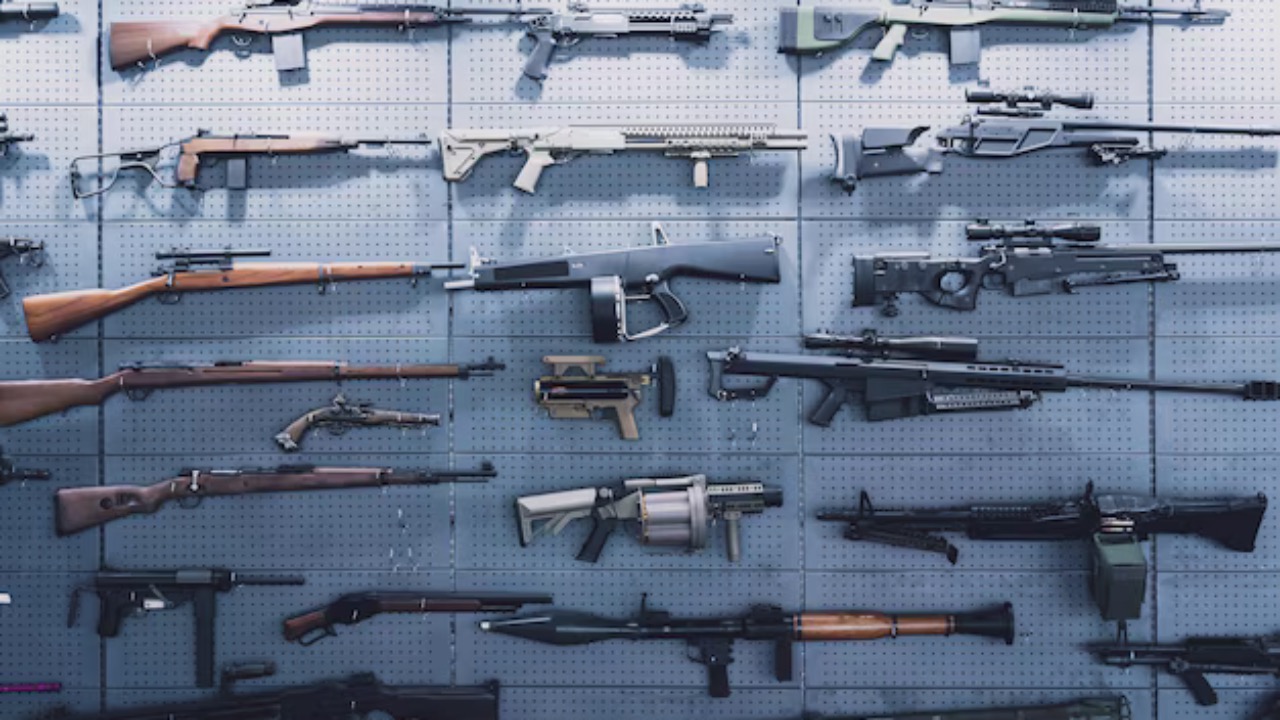
Estimates consistently show that tens of millions of Americans own firearms, and the total number of guns in civilian hands is well into the hundreds of millions. That scale alone changes the tone of any defense conversation. You’re not talking about a small, isolated group. You’re talking about neighbors, business owners, veterans, first responders, and families spread across every state.
When policymakers debate preparedness, domestic security, or emergency response, that population can’t be ignored. A country with widespread civilian firearm ownership has a different baseline reality than one without it. The debate isn’t theoretical. It’s grounded in the fact that a significant share of the public already possesses tools, training, and a culture built around lawful arms ownership.
The Constitutional Framework
The defense debate in America always circles back to the Second Amendment to the United States Constitution. You don’t have to be a constitutional scholar to understand its central place in the conversation. It explicitly references a “well regulated Militia” and the right of the people to keep and bear arms.
Over time, courts have clarified that the amendment protects an individual right, while still allowing for regulation. That tension—individual liberty balanced against public safety—is where much of today’s argument lives. Hunters and gun owners sit at the heart of that balance. Your existence as a lawful gun owner is part of a constitutional structure that continues to shape how America thinks about defense.
A Deep Bench of Informal Marksmanship
Walk through any rural county during hunting season and you’ll find people who have handled firearms since they were kids. Safe gun handling, range estimation, and field shooting aren’t exotic skills there. They’re learned early and reinforced year after year.
That doesn’t make every hunter a soldier. It does mean there’s a wide base of citizens comfortable with firearms, optics, and basic ballistics. In a defense debate, that familiarity matters. Countries without a civilian shooting culture start at zero if they ever need to expand defensive capacity. In the United States, a large portion of the population already understands the fundamentals.
The National Guard Connection
Many members of the United States National Guard come from communities where hunting and recreational shooting are common. The Guard bridges civilian life and military service, and that overlap shapes the broader defense picture.
When you look at how units recruit and retain members, rural and small-town America often plays a major role. The skills learned in the field—discipline, patience, firearms safety—don’t replace formal training, but they create familiarity. That pipeline between civilian gun culture and part-time military service reinforces why gun owners are central to discussions about readiness and domestic response.
Disaster Response and Local Resilience
In natural disasters, the first response often comes from neighbors long before federal resources arrive. In many rural areas, gun owners are also the ones with trucks, generators, chainsaws, and communications gear. Firearms aren’t the focus in those moments, but the mindset tied to preparedness is.
When defense planners talk about resilience, they’re not only thinking about foreign threats. They’re looking at how communities withstand disruption. Hunters and gun owners often participate in volunteer fire departments, search-and-rescue teams, and local emergency networks. That network of capable citizens plays into the broader debate about how much responsibility rests at the local level versus the federal one.
Political Influence in Defense Policy
Hunters and gun owners represent a voting bloc that lawmakers track closely. Organizations like the National Rifle Association and other advocacy groups have long influenced legislation related to firearms and, by extension, aspects of domestic defense policy.
You see it in debates over magazine capacity, firearm classifications, and interstate transport. These discussions aren’t isolated from national security. They shape what arms are commonly owned, how they’re regulated, and how citizens view their relationship to the state. In a representative democracy, numbers matter. When millions of voters care deeply about gun policy, that concern inevitably intersects with defense conversations.
Cultural Memory of Citizen-Soldiers
American history leans heavily on the image of the citizen-soldier, from the colonial militias to modern reservists. That narrative remains part of how many gun owners see themselves—not as combatants, but as citizens who take responsibility seriously.
You can trace that idea back to the Revolutionary era and forward through conflicts where civilian volunteers filled the ranks. While modern warfare is far more complex, the cultural memory remains. It informs how many Americans interpret their role in national defense. Whether you agree with that interpretation or not, it shapes attitudes toward arms ownership and keeps hunters and gun owners firmly inside the debate.
The Economic Backbone of the Firearms Industry
The civilian firearms market supports a large domestic industry that manufactures rifles, shotguns, ammunition, optics, and accessories. Companies like Sturm, Ruger & Co. and Smith & Wesson produce products for both civilian and, at times, law enforcement or government markets.
That industrial capacity matters in any serious defense discussion. A strong domestic manufacturing base provides flexibility in times of crisis. Even when production lines focus on sporting arms, the machinery, workforce, and supply chains contribute to national capability. Hunters and recreational shooters, through their purchases, help sustain that infrastructure.
Urban Gun Owners and a Changing Map
It’s easy to picture the gun debate as rural versus urban, but that map is outdated. Recent years have seen increased firearm ownership in cities and suburbs, including among first-time buyers who don’t fit traditional stereotypes.
That shift changes the defense conversation. When gun ownership expands beyond one demographic or region, policymakers have to account for a broader cross-section of the public. Hunters remain a visible part of the culture, but they’re now joined by urban professionals, small-business owners, and families who view firearm ownership as part of personal security. The debate widens, and so does the constituency involved in it.
Training, Liability, and Responsibility
With widespread ownership comes responsibility. Many hunters complete safety courses required by their states, and many gun owners pursue additional training on their own. That ecosystem of instructors, ranges, and certification programs forms an informal network of civilian education.
In the defense debate, that matters because it speaks to standards and accountability. Critics worry about misuse; supporters point to training and lawful conduct. You can’t have a serious conversation about national security without acknowledging both concerns. The millions of Americans who store, handle, and use firearms responsibly are part of the practical reality policymakers must consider.
America’s defense debate is complex and often heated. But it isn’t happening in a vacuum. It runs through duck blinds, back forty rifle ranges, suburban basements with safes bolted to the floor, and Guard armories across the country. If you’re a hunter or gun owner, you’re already part of the equation—whether you meant to be or not.

Asher was raised in the woods and on the water, and it shows. He’s logged more hours behind a rifle and under a heavy pack than most men twice his age.