Why Some Guns Feel Perfect Until You Start Relying on Them
Some firearms feel flawless at first. They cycle smoothly, shoot clean, and seem easy to handle during casual range use. That first impression can be strong enough to make a gun feel “perfect” right away. But real-world reliability is usually proven over time, not in short sessions or ideal conditions.
Once a firearm is used more heavily or in less controlled environments, differences start to show. Small issues with maintenance, ammunition choice, or part wear can affect how consistent the gun feels. What seemed effortless at first can become less predictable once it’s relied on regularly.
Early impressions vs real use
A firearm’s first impression is often shaped by controlled conditions. Clean equipment, fresh parts, and light use can make almost anything perform well. At that stage, there’s little stress on the system, so problems don’t show up easily.
Over time, however, repeated cycling and exposure to dirt, heat, and moisture begin to reveal how the design holds up. This is where differences between short-term smooth operation and long-term consistency become more noticeable.
Maintenance habits change everything
How a firearm is maintained plays a major role in how it performs over time. A gun that is cleaned and serviced regularly will usually feel more consistent than one that is neglected, even if both started in the same condition.
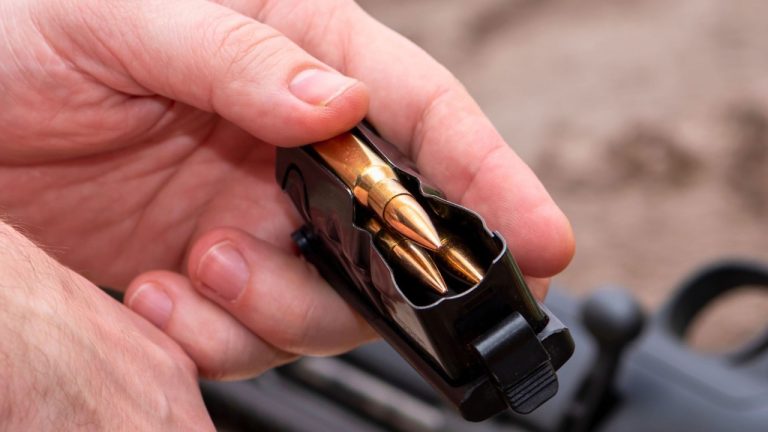
Small parts like springs, magazines, and recoil systems gradually wear down. If those changes aren’t addressed, performance can shift slowly, making the firearm feel less reliable than it did at the beginning.
Ammunition consistency matters more than expected
A lot of users underestimate how much ammunition affects performance. Different loads can produce different cycling speeds, recoil patterns, and accuracy levels.
A gun that feels perfect with one type of ammo may feel inconsistent with another. Over time, switching between different loads without adjusting expectations can create the impression that the firearm itself has changed.
Wear and long-term consistency
Every firearm experiences wear, even high-quality designs. Barrels gradually change with use, internal parts loosen slightly, and tolerances shift over time.
These changes don’t usually cause immediate failure, but they can slowly affect how the firearm feels and performs. This is often where the difference between “feels great” and “stays consistent” becomes noticeable.
Environment and real-world conditions
Real-world use introduces conditions that don’t always appear at the range. Dust, rain, temperature changes, and physical handling all affect how a firearm performs over time.
Some designs handle these changes more smoothly than others, but no firearm is completely unaffected. The more varied the conditions, the more stress is placed on the system as a whole.
Why reliability shows itself later
A firearm’s true reliability is usually revealed only after repeated use under different conditions. Early performance is just a snapshot, not a full picture.
What matters most is how it behaves after extended use, maintenance cycles, and exposure to real conditions. That’s when the difference between “feels good” and “stays consistent” becomes clear.

Leo’s been tracking game and tuning gear since he could stand upright. He’s sharp, driven, and knows how to keep things running when conditions turn.