Why Some Guns Feel Right on the Range but Not in the Field
Some rifles feel like magic on a flat, well-lit range, then turn awkward and unforgiving once terrain, weather, and the pressure of a real hunt enter the picture. The difference is rarely about raw accuracy alone. It usually comes down to how the gun’s weight, ergonomics, and recoil interact with a moving target and a tired shooter far from the bench.
Understanding why a firearm shines on paper but stumbles in the field helps shooters make smarter buying decisions and avoid costly, confidence-killing mismatches between gear and real-world use.
What happened
Over the past several seasons, a wave of precision rifles and optics has arrived that can print tiny groups on steel at long distances. Many of the most talked-about long-range rigs are built with heavy barrels, large scopes, and chassis-style stocks that deliver excellent stability when fired from a rest. Testers who evaluate these setups for long-range riflesconsistently highlight their bench accuracy and ability to maintain tight groups under controlled conditions.
At the same time, recreational shooting at public ranges has grown more structured and equipment focused. Instructors and regular shooters interviewed about modern range culture describe lanes with solid benches, sandbags, and clear firing lines that encourage a slow, methodical pace. In a televised discussion about going to the gun range, one visitor explained how much easier it felt to manage recoil and sight picture when shooting seated with a rest, compared with standing unsupported in the field, during a segment on going to the.
Parallel to the growth in precision centerfire rifles, small-caliber and air-powered platforms have surged in popularity for plinking and pest control. Reviews of modern .22-caliber air rifles describe guns that are quiet, extremely accurate at modest distances, and often optimized for shooting from fixed positions. Some of the best .22 air rifles are evaluated for their consistency at the bench and their ability to stack pellets on target, as seen in testing of several top .22 air rifles.
A clear pattern emerges from these trends. Much of the modern firearms market, and much of the advice shooters see, is built around what performs best in range testing. Rifles are praised for tiny groups, light triggers, and heavy barrels that resist heat. Only later, after a season of climbing ridges or crawling into blinds, do some hunters and field shooters realize that the gun that felt perfect on the bench is cumbersome, slow to mount, or unforgiving when the shot must be taken from an improvised position.
Why it matters
The gap between range comfort and field performance matters first for ethical reasons. A rifle that is too heavy, too long, or too recoil intensive for its owner in real hunting conditions can turn a clean shot into a rushed or poorly placed one. When long-range rigs that excel on steel are carried into steep country, even experienced shooters can struggle to get steady in time. The controlled environment that made the rifle seem effortless no longer exists, and the shooter’s confidence can erode at the worst possible moment.
There is also a safety dimension. At a formal range, clear rules, fixed firing lines, and stable benches help shooters manage recoil and muzzle control. In the field, the same gun might be fired from kneeling or seated positions, from uneven ground, or while wearing bulky clothing. A rifle that balances poorly or has an overly light trigger can feel twitchy in those circumstances, especially when adrenaline spikes. The habits built on a flat, predictable firing line do not automatically transfer to a hillside or a cramped blind.
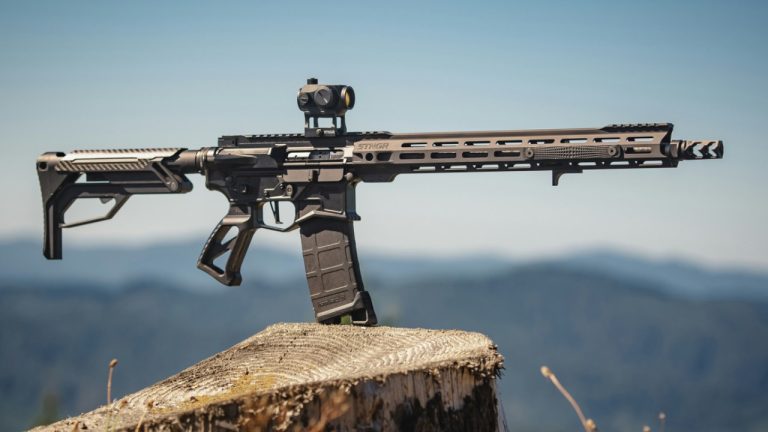
Ergonomics play a large role in this disconnect. Many precision-oriented stocks are designed for prone or bench shooting, with vertical grips, adjustable cheekpieces, and long forends that pair well with bipods. Those features help a shooter settle in behind the rifle and break a clean shot on a range. In brushy timber or tight blinds, however, a long, angular stock can snag on clothing and vegetation. Mounting the gun quickly for a snap shot becomes awkward, and the same geometry that encouraged precision from prone can slow down target acquisition when the shooter is standing or seated without support.
Weight is another central factor. Heavier barrels and chassis reduce recoil and help a rifle stay on target during strings of fire. On a 100-yard range, that extra mass feels like an asset. On a multi-mile hike, it can feel like a burden. Hunters who pack a heavy rifle, a large scope, and a full load of ammunition often arrive at the moment of truth tired and less steady than they expected. The rifle that once seemed dead steady from a rest now wobbles when shouldered offhand or from a quick kneel.
Recoil perception shifts as well. At the range, shooters can double up on hearing protection, take frequent breaks, and shoot from positions that let the body absorb recoil efficiently. In the field, shots might be taken from awkward angles or while twisted around a tree. A caliber that felt manageable in controlled practice can feel sharp and distracting when the stock is not perfectly seated or when the shooter is contorted to clear brush. That difference affects follow-through and the ability to spot impacts, which are both vital for humane shots and quick corrections.
Even small-caliber and air rifles show this divide. Many .22 air rifles that group impressively from a bench are built with long barrels and heavy scopes to maximize stability. They perform exceptionally on paper targets and steel spinners. Yet when used for pest control in barns, backyards, or wooded edges, shooters may find that a lighter, shorter setup carries and points better, even if it gives up some benchrest precision. The real task is often a fast, close shot from a standing position, not a slow squeeze from a sandbag.
Economic stakes are involved too. Precision rifles, high-end optics, and custom stocks represent a significant investment. When a shooter discovers after purchase that the setup does not match real-world needs, the result is often another round of spending on different gear or modifications. That cycle can discourage newer shooters and create the impression that success depends more on constant upgrades than on realistic practice with an appropriately chosen firearm.
What to watch next
Manufacturers and shooters are already responding to this split between range performance and field usability. More rifle makers now offer hybrid designs that borrow some features from competition guns, such as adjustable combs and improved triggers, while keeping overall weight and length in a range that suits mountain hunts or long walks through upland cover. These middle-ground rifles aim to give shooters confidence on the bench without turning every field carry into a chore.
Training culture is also shifting. Instructors who work with new gun owners at public ranges increasingly encourage positional shooting and movement drills instead of limiting practice to seated bench work. Some classes now incorporate barricades, kneeling and sitting positions, and timed transitions to help students experience how their rifles handle when the support is imperfect. As more shooters are exposed to these scenarios early, they can spot mismatches between their gear and their goals before a hunt or competition.
On the technology side, optics are likely to remain a major driver of how guns feel in both environments. Large, high-magnification scopes with complex reticles are outstanding for reading wind and dialing elevation on the range. In thick cover or fast-moving situations, however, they can slow target acquisition and narrow the field of view. Compact, lighter scopes and low-power variables give up some magnification but often pair better with quick, offhand shots. Watch for more optics that try to bridge this gap with wide zoom ranges and simplified controls that still allow precise holds without overwhelming the shooter.

Leo’s been tracking game and tuning gear since he could stand upright. He’s sharp, driven, and knows how to keep things running when conditions turn.