Woman says masked teens attempted to steal her $1,200 coat in Washington, D.C.
When you hear about street crime in a major city, it often sounds like a statistic. But when you picture someone being surrounded in broad daylight over a coat, it feels different. According to reports out of Washington, D.C., a woman says a group of masked teens tried to take the $1,200 jacket off her back.
Incidents like this don’t only raise questions about theft. They highlight how fast situations can escalate and how vulnerable anyone can feel in a crowded urban setting. If you live in or travel through large cities, it forces you to think about awareness, response, and how quickly a normal day can shift.
The Alleged Confrontation
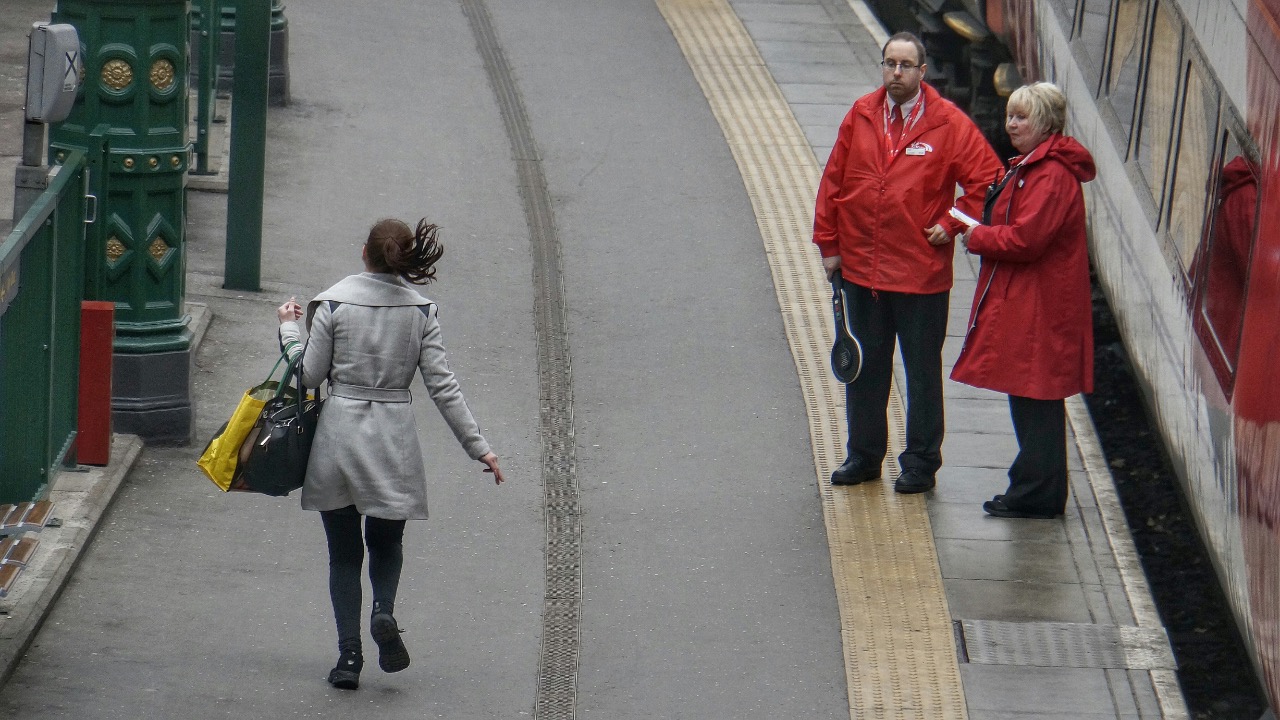
The woman says the encounter happened in public, not in some isolated alley. That detail matters. You expect foot traffic and visibility to offer a level of protection, especially in a busy part of town.
According to her account, several masked teens approached her and attempted to pull the coat off her. The value of the jacket—reportedly $1,200—may have made it a target. But beyond the price tag, the key issue is the aggressive nature of the interaction. A group dynamic changes everything. Even confident adults can feel overwhelmed when outnumbered.
The Role of High-End Outerwear
Expensive outerwear has become more than winter gear. Certain brands carry resale value, and in some cases, they’re easy to move online. That can make them attractive targets for opportunistic theft.
When you’re wearing something visibly high-end, you may not think about how it stands out in a crowd. But in dense urban areas, recognizable labels can draw unwanted attention. The issue isn’t fashion; it’s visibility. A coat meant to keep you warm shouldn’t double as a signal that you’re carrying something worth grabbing.
Group Tactics and Intimidation
There’s a psychological edge when multiple suspects approach at once. Even if no weapon is displayed, numbers alone can create pressure. Masked faces make it harder to identify individuals later, and that anonymity can embolden risky behavior.
For you, the target, that moment can feel compressed. You’re processing distance, escape routes, bystanders, and whether to shout or move. Good judgment in those seconds often determines whether the situation escalates. Being aware of your surroundings isn’t paranoia—it’s preparation in environments where group intimidation has become more common.
Bystanders and Public Response
One of the hardest parts of these encounters is how public they are. You might assume someone will intervene or at least record what’s happening. But bystanders often hesitate, unsure of the full context or concerned about their own safety.
That hesitation can leave you feeling isolated, even in a crowd. It also underscores the importance of immediate reporting. Law enforcement depends on timely information, descriptions, and any available footage. In cities the size of Washington, D.C., patterns matter. Individual reports help authorities track repeat behavior.
Reporting and Investigation
Any attempted theft, especially one involving multiple suspects, typically triggers a police report and follow-up investigation. Descriptions of clothing, direction of travel, and approximate ages become critical details.
For you as a reader, it’s a reminder that documentation matters. Even if property isn’t taken, reporting an attempt can help build a clearer picture of what’s happening in a neighborhood. In urban environments, consistent reporting shapes patrol patterns and resource allocation. One incident can reveal a broader issue when combined with others.
Personal Safety in Dense Urban Areas
Living in or visiting a city like Washington, D.C. means balancing daily routines with situational awareness. You don’t need to live in fear, but you do need to pay attention. Keeping valuables less conspicuous, staying in well-lit areas, and remaining alert to groups approaching quickly can make a difference.
You can’t control other people’s choices. But you can control your spacing, your exits, and your awareness. Stories like this aren’t about panic—they’re about preparation. Whether it’s a coat, a phone, or a bag, the goal is getting home safe with what you brought out the door.

Asher was raised in the woods and on the water, and it shows. He’s logged more hours behind a rifle and under a heavy pack than most men twice his age.